
Return to Work Policy (Managing Injury)
A Return to Work Policy (Managing Injury) is used to communicate your commitment to any employees who may get injured at work, and assist them to return to work in a safe manner. This Policy also creates a clear process for injury notification, management and the return to work process to help your Company and the management team manage this process.
Last updated December 20, 2024
Suitable for Australia
Create & Customise Legal Templates Online
What is a return to work policy (managing injury)?
What is a return to work policy (managing injury)?
When should you use a return to work policy (managing injury)?
When should you use a return to work policy (managing injury)?
What should be in a return to work policy (managing injury)?
What should be in a return to work policy (managing injury)?
How to create a legal document
- check_circle
Access the Document Library
- check_circle
Select the template that matches your needs
- check_circle
Customise by adding or removing clauses with assistance from Lawpath AI
- check_circle
Personalise with your headers, footers, logos, or additional text
- check_circle
Store all documents securely in your account for easy access
Frequently asked questions
Who should consider using this policy?
keyboard_arrow_upHow does this policy help prevent disputes?
keyboard_arrow_upDoes this policy address confidentiality of employee health information?
keyboard_arrow_upWhat are the main protections this policy offers my business?
keyboard_arrow_upAre there any limitations to this policy?
keyboard_arrow_upHow often should I review and update this policy?
keyboard_arrow_upWhat are the next steps after adopting this policy?
keyboard_arrow_upView Sample Return to Work Policy (Managing Injury)
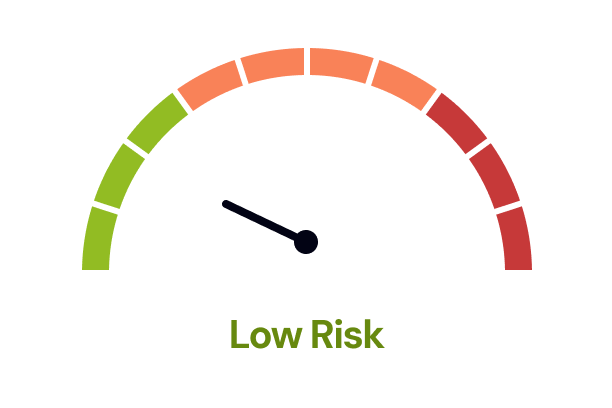
The Legal Risk Score of a Return to Work Policy (Managing Injury) Template is Low
Our legal team have marked this document as low risk considering:
- There is a risk of insufficient clarity on how modifications to the return to work plan are handled, which could lead to misunderstandings or disputes about the adjustments made for the injured employee.
- The document does not specify how conflicts between medical advice and the company's assessment are resolved, potentially leading to scenarios where employee health recommendations are not fully aligned with company decisions.
- There is a potential risk related to the confidentiality clause, as it does not detail the specific measures on how the confidentiality of the employee’s health information will be maintained, which could lead to unintentional breaches of privacy.
Meet Our Users
Articles about Return to Work Policy (Managing Injury)

Worker's Compensation & Injury Management
If you're an employer, it's crucial that you know how to manage workers' compensation and injuries in the workplace. Read this guide to find out more.

Returning to Work: Business Resources
The green light has been given for businesses to reopen, but adjustments will have to be made. Find policies, documents, and articles on our resources page.

Employee Injuries: What are Your Responsibilities?
Do you know what you need to do if your employee is injured on the job? Find out more about employee injuries here.

Workers Compensation in Australia: A Complete Guide for 2026
Have you or an employee recently suffered injured at work? Learn what is workers compensation and the processes involved for both employers and employees.

What Is A Work From Home Policy?
This article explores everything you need to know about how to create a work from home policy.

What is Occupational Health and Safety?
Learn about the purpose of OHS systems and how to implement them.

COVID-19: Resources for Businesses (2025 Update)
The COVID-19 pandemic presents a range of legal issues for businesses. Browse our dedicated resources page for documents, guides and business updates.

Workplace Policies: Why Small Businesses Need Them
Workplace policies do more than just set out rules for employees. They can bring structure and safety to your business. Read on here.

COVID-19: Can Employees Be Told to Come to Work?
COVID-19 has had an unprecedented effect on the workplace. As restrictions begin to ease, we answer whether an employee can be directed to come into work.
Looking for more documents?
Employment Agreement (Casual)
This Employment Agreement (Casual) is suitable for casual employees in any industry. This agreement is essential when hiring new casual employees for your business.
Contractor Agreement (Individual)
The Contractor Agreement (Individual) allows you to hire a contractor that is an individual (ie. not a company).
Shareholders Agreement
A Shareholders Agreement allows you to clarify the relationship between shareholders of your company.
Full Time Employment Agreement
This Full Time Employment Agreement covers everything you need when hiring a new full time employee. It is applicable to any industry in Australia.
Consultancy Agreement (Pro-Supplier)
A Consultancy Agreement (Pro-Supplier) can be used if you provide consultancy services or engage consultancy services from another entity. This version of the Consultancy Agreement is drafted in favour of the supplier, from a commercial and legal perspective.
Website Terms and Conditions of Use (Goods)
This Website Terms And Conditions of Use (Goods) outlines the rules people must follow when using your website. It includes protection for your IP, disclaimers to limit your liability and makes you compliant with Australian law.
Contractor Agreement (Company)
A Contractor Agreement (Company) allows you to engage a contractor that is a company.
Internship Agreement
An Internship Agreement is used when hiring an unpaid intern for your business.