
Website Terms and Conditions of Use (Goods)
This Website Terms And Conditions of Use (Goods) outlines the rules people must follow when using your website. It includes protection for your IP, disclaimers to limit your liability and makes you compliant with Australian law.
Last updated October 23, 2025
Suitable for Australia
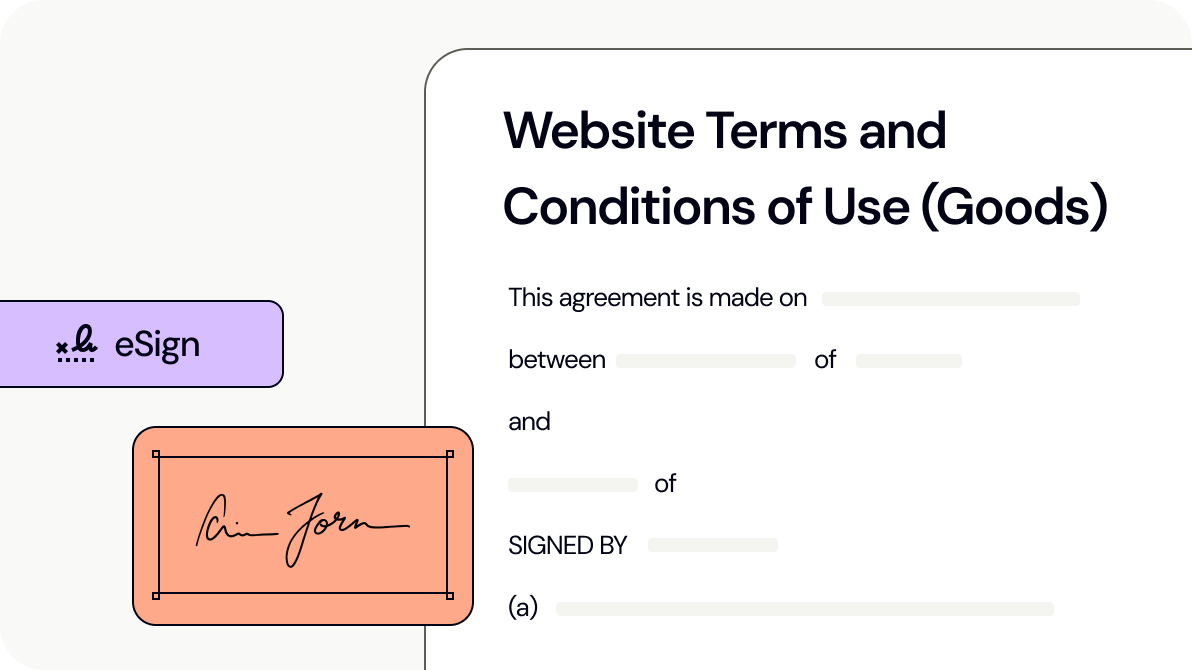
Create & Customise Legal Templates Online
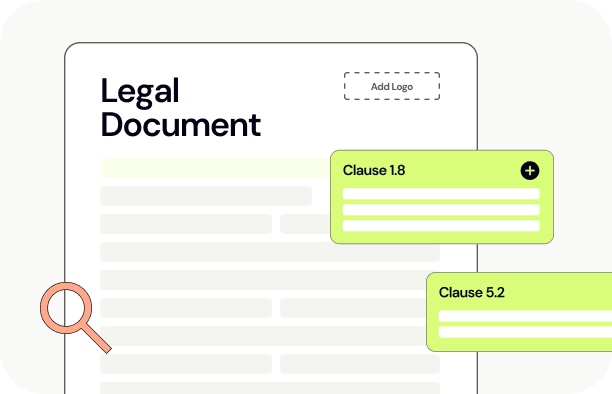
What is a website terms and conditions of use (goods)?
What is a website terms and conditions of use (goods)?
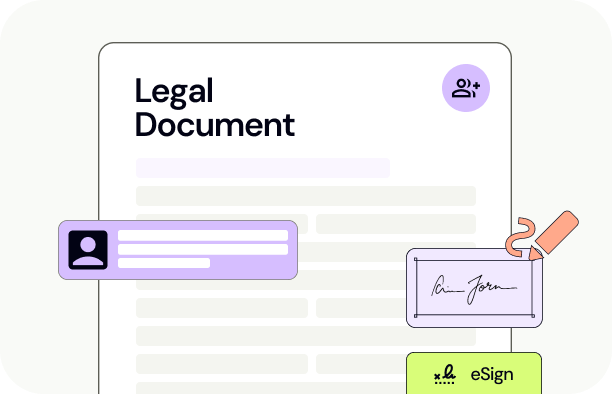
When should you use a website terms and conditions of use (goods)?
When should you use a website terms and conditions of use (goods)?
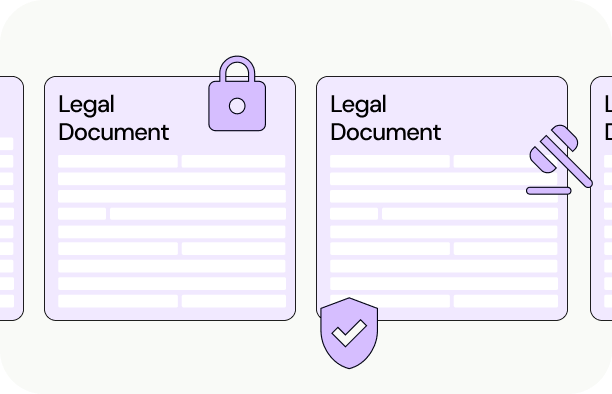
What should be in a website terms and conditions of use (goods)?
What should be in a website terms and conditions of use (goods)?
How to create a legal document
- check_circle
Access the Document Library
- check_circle
Select the template that matches your needs
- check_circle
Customise by adding or removing clauses with assistance from Lawpath AI
- check_circle
Personalise with your headers, footers, logos, or additional text
- check_circle
Store all documents securely in your account for easy access
Frequently asked questions
Who is this document suitable for?
keyboard_arrow_upHow does this document protect my business?
keyboard_arrow_upWhat are the main limitations for website users?
keyboard_arrow_upHow do I make these terms enforceable?
keyboard_arrow_upHow often should I update my website terms?
keyboard_arrow_upIs copying terms from another website allowed?
keyboard_arrow_upWhat happens if a user breaches the terms?
keyboard_arrow_upView Sample Website Terms and Conditions of Use (Goods)
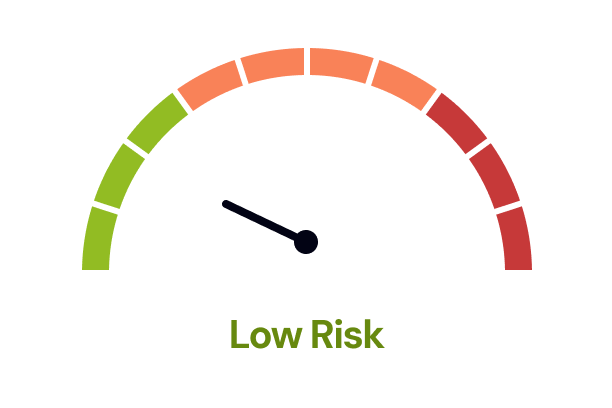
The Legal Risk Score of a Website Terms and Conditions of Use (Goods) Template is Low
Our legal team have marked this document as low risk considering:
- The document allows for the terms and conditions to be changed at any time by the website operator without prior notice, which could lead to unexpected obligations or modifications that users might not be immediately aware of.
- The document asserts extensive control over the use of the website's content and services, limiting users' ability to use the material beyond personal use without express permission, potentially restricting creative or commercial endeavors.
- The document does not need to be signed.
Meet Our Users
Articles about Website Terms and Conditions of Use (Goods)

How to Create Website Terms and Conditions (2025 Update)
Every business should have terms and conditions on their website. Find out what they do and how you can create them in this article.
Website Terms & Conditions of Use Explained
Are you selling goods and services online? If so, you are legally required to have a Website Terms and Conditions of Use in place.
3 Things to Do After Completing Website Terms & Conditions
Launching your business online? Find out what to do after completing your Website Ts&Cs of Use in this article.

Do I Need Website Terms and Conditions?
Not sure if you need to have Ts&Cs for your business's website? Read this article to find out when your business will need to have one in place.
5 Key Website Terms and Conditions to Include
Unsure what key terms and conditions to include in your contract? Read on to learn about the essential terms that should be on your website.
Protect Your Online Business with Legal Documents
Learn what legal documents you need to protect your online business and prevent yourself from facing unnecessary legal consequences.
How Often to Update Your Website’s Terms & Conditions
A website's terms and conditions need to be updated consistently to be in line with Australian Consumer Law. This article breaks down the law on this.

Quick Tips: Legal Documents for Websites
Learn about the legal documentation, including Privacy Policy and Website Terms and Conditions, that your require when operating a website that conducts financial transactions as well as collects customer information.

5 Reasons You Need Website Terms & Conditions
Running a website for your business? Here are the 5 reasons why you need website terms and conditions.
Looking for more documents?
Privacy Policy
A Privacy Policy outlines how your business will use, store and collect your customers' information. A Privacy Policy is required by law in certain circumstances.
Loan Agreement
This Loan Agreement can be used by lender when offering a loan to a Borrower.
Non-Disclosure Agreement (Mutual)
A Non-Disclosure Agreement (Mutual) allows you and another party to share confidential information while legally forbidding either party from disclosing that information to any other person or entity.
Will
A Will is an essential document as part of your estate plan. This Will cannot be e-signed.
Non-Disclosure Agreement (One Way)
A Non-Disclosure Agreement (One Way) allows you and another party to share confidential information while legally forbidding the other party from disclosing that information to any other person or entity.
Website Terms and Conditions of Use (Services)
This Website Terms and Conditions of Use (Services) document is specifically tailored for websites selling services.
Employment Agreement (Casual)
This Employment Agreement (Casual) is suitable for casual employees in any industry. This agreement is essential when hiring new casual employees for your business.
Business Sale Agreement
A Business Sale Agreement is used to clearly set out all relevant terms of the sale when selling or buying a business.