
Privacy Policy
A Privacy Policy outlines how your business will use, store and collect your customers' information. A Privacy Policy is required by law in certain circumstances.
Last updated May 21, 2026
Suitable for Australia
Create & Customise Legal Templates Online
What is a privacy policy?
What is a privacy policy?
A privacy policy is a document that explains how a business collects, uses, stores and discloses personal information from customers or users.
It sets out what data you collect, why, how it's protected, and what rights people have over their own information. Most Australian businesses that handle any personal data need one, whether or not the Privacy Act technically applies to them yet.
Does my small business legally need a privacy policy, and is it legally binding?
Does my small business legally need a privacy policy, and is it legally binding?
Yes, if your business turns over $3 million or more, or handles sensitive information, you're legally required to have a compliant privacy policy, and once published it's binding: the Australian Privacy Principles apply regardless of the wording, and ignoring your own stated practices can be a breach.
Smaller businesses are exempt for now, but that may change under 2026-2027 reforms.
How do you write your own privacy policy?
How do you write your own privacy policy?
Yes, you can write your own privacy policy, and Lawpath's template is built for exactly this. List exactly what personal information you collect, through what channels, why, how it's stored, and who you share it with.
Set out customer rights and a contact point, then get regulated-industry or sensitive-data policies reviewed by a lawyer to reduce compliance risk.
How to create a legal document
- check_circle
Access the Document Library
- check_circle
Select the template that matches your needs
- check_circle
Customise by adding or removing clauses with assistance from Lawpath AI
- check_circle
Personalise with your headers, footers, logos, or additional text
- check_circle
Store all documents securely in your account for easy access
Frequently asked questions
What types of information trigger the need for a privacy policy?
keyboard_arrow_upDoes a privacy policy cover websites, apps, or both?
keyboard_arrow_upWhat protections does a privacy policy provide for my customers?
keyboard_arrow_upAre there limitations to using this privacy policy template?
keyboard_arrow_upWhat if I use third-party services on my website?
keyboard_arrow_upHow often should I review and update my privacy policy?
keyboard_arrow_upWhat's the new automated decision-making disclosure requirement under the Privacy Act?
keyboard_arrow_upCan someone sue me directly for a privacy breach?
keyboard_arrow_upWhat's the most common mistake businesses make with their privacy policy?
keyboard_arrow_upHow much does it cost to get a privacy policy, template versus a lawyer?
keyboard_arrow_upView Sample Privacy Policy
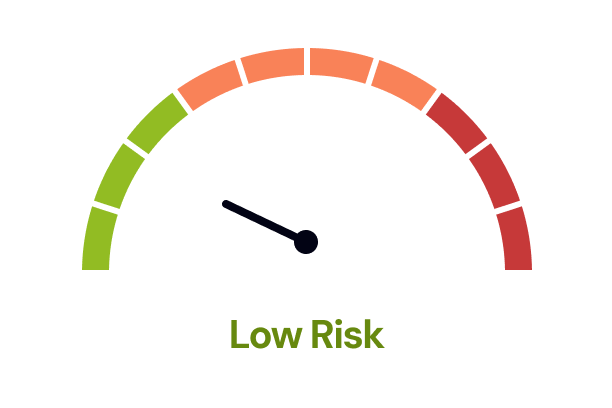
The Legal Risk Score of a Privacy Policy Template is Low
Our legal team have marked this document as low risk considering:
- There is a risk associated with the collection and handling of sensitive information, as the document outlines specific conditions under which such data may be used, potentially limiting flexibility in unforeseen circumstances.
- The document allows for the use of personal information in direct marketing activities, which could expose users to unwanted communications unless they actively opt out.
- Users may find the process of addressing grievances concerning privacy practices to be potentially prolonged or unsatisfactory, as it involves internal reviews before escalating to an external authority.
Meet Our Users
Articles about Privacy Policy

How to Create a Privacy Policy (2025 Update)
A privacy policy informs website users how you will handle their information. Find out how to create a Privacy Policy here.

Why Do You Need a Privacy Policy?
If you're running a website for your business, it's likely that you'll need a privacy policy. Find out why they're so important here.
Does Your Business Need a Privacy Policy for GA?
Google Analytics has proven to be a beneficial tool for businesses. But users beware: you must do all you can to comply with privacy laws.

Does My Business Need a GDPR Privacy Policy?
If you run an online business in Australia, it's likely that you will have to comply with the GDPR. Read about what that means here.

5 Mistakes to Avoid in Your Privacy Policy
Are you a small business or a not-for-profit owner? Avoid these common mistakes when using a Privacy Policy for your website.
What is a Privacy Policy URL?
All you need to know about hosting your company's Privacy Policy URL. A Privacy Policy outlines how your platform handles personal data of visitors.

3 Things to Do After Completing Your Privacy Policy
Recently introduced a privacy policy for your website? Find out the next steps after completing your Privacy Policy.

Australia Versus GDPR Privacy Policy: Which One Should I Use?
All Australian businesses should have a privacy policy on their website, however there are circumstances where it will also need to comply with the GDPR.
Why You Need a Privacy Lawyer
Find out why you should consider hiring a privacy lawyer.
Looking for more documents?
Loan Agreement
This Loan Agreement can be used by lender when offering a loan to a Borrower.
Non-Disclosure Agreement (Mutual)
A Non-Disclosure Agreement (Mutual) allows you and another party to share confidential information while legally forbidding either party from disclosing that information to any other person or entity.
Will
A Will is an essential document as part of your estate plan. This Will cannot be e-signed.
Non-Disclosure Agreement (One Way)
A Non-Disclosure Agreement (One Way) allows you and another party to share confidential information while legally forbidding the other party from disclosing that information to any other person or entity.
Website Terms and Conditions of Use (Services)
This Website Terms and Conditions of Use (Services) document is specifically tailored for websites selling services.
Business Sale Agreement
A Business Sale Agreement is used to clearly set out all relevant terms of the sale when selling or buying a business.
Contractor Agreement (Individual)
The Contractor Agreement (Individual) allows you to hire a contractor that is an individual (ie. not a company).
Shareholders Agreement
A Shareholders Agreement allows you to clarify the relationship between shareholders of your company.