
Drugs and Alcohol Policy
This Drugs and Alcohol Policy communicates to employees and other workers that being under the influence of drugs, alcohol or other prohibited substances will not be tolerated at the workplace, as well as outlining expectations around social consumption and procedures for testing.
Last updated October 24, 2025
Suitable for Australia
Create & Customise Legal Templates Online
What is a drugs and alcohol policy?
What is a drugs and alcohol policy?
When should you use a drugs and alcohol policy?
When should you use a drugs and alcohol policy?
What should be in a drugs and alcohol policy?
What should be in a drugs and alcohol policy?
How to create a legal document
- check_circle
Access the Document Library
- check_circle
Select the template that matches your needs
- check_circle
Customise by adding or removing clauses with assistance from Lawpath AI
- check_circle
Personalise with your headers, footers, logos, or additional text
- check_circle
Store all documents securely in your account for easy access
Frequently asked questions
Who should consider implementing this policy?
keyboard_arrow_upWhat protections does this policy offer my business?
keyboard_arrow_upDoes the policy address prescription medication?
keyboard_arrow_upAre drug and alcohol tests covered?
keyboard_arrow_upHow does the policy handle substance abuse support?
keyboard_arrow_upWhat are the potential consequences for policy breaches?
keyboard_arrow_upDoes the policy cover alcohol consumption at work events?
keyboard_arrow_upWhat steps are needed to implement this policy?
keyboard_arrow_upView Sample Drugs and Alcohol Policy
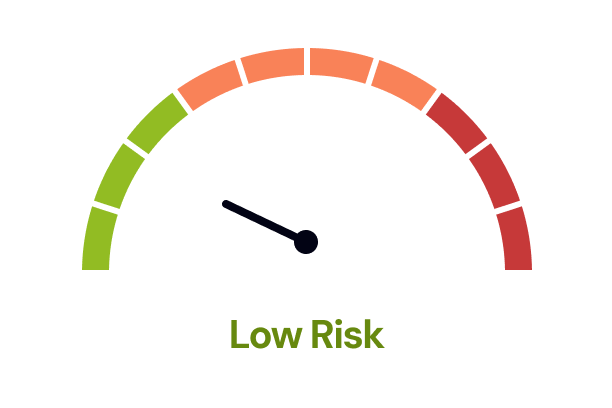
The Legal Risk Score of a Drugs and Alcohol Policy Template is Low
Our legal team have marked this document as low risk considering:
- The policy mandates strict adherence to a drug and alcohol-free workplace, which could pose a risk of rigid enforcement that may not account for individual circumstances or accidental infractions.
- The requirement for employees to undergo drug or alcohol testing based on reasonable suspicion introduces a subjective element, potentially leading to disputes over what constitutes reasonable suspicion.
- The policy's provision for termination of employment or subcontractor agreements as a disciplinary action for breaches could lead to significant consequences for employees, impacting job security and career progression.
Meet Our Users
Articles about Drugs and Alcohol Policy

How to Start an Online Alcohol Business
An online alcohol business has become a popular business model for many alcohol vendors. Read this guide on how to start your own!

What Licence Do I Need To Sell Liquor Online?
Find out in this article what licence you need to sell liquor online, how to apply for one, and other important considerations.
Can Employers Require Drug Testing?
Although drug testing can violate the privacy of employees, it could benefit the success of the company. Keep reading to find out more.

E-Cigarettes: Are They Legal in Australia? (2025 Update)
e-cigarettes have become a popular alternative to smoking cigarettes, but not a lot is known about their legality. Find out in this article.

Visy Launches Lawsuit Against Its Workers
The packaging giant is suing almost 70 of its employees
The Lawpath Blog
Stay up to date with legal concepts, tactics and strategies for your business

Lockout Laws: Sydney's Protest
Sydney's Lockout Laws; which side are you on? Read now.

Workplace Policies: Why Small Businesses Need Them
Workplace policies do more than just set out rules for employees. They can bring structure and safety to your business. Read on here.

Are Employees Legally Entitled to Smoking Breaks?
Are employees entitled to take smoking breaks? What are your rights as an employer or an employee? Find out more here.
Looking for more documents?
Privacy Policy
A Privacy Policy outlines how your business will use, store and collect your customers' information. A Privacy Policy is required by law in certain circumstances.
Loan Agreement
This Loan Agreement can be used by lender when offering a loan to a Borrower.
Non-Disclosure Agreement (Mutual)
A Non-Disclosure Agreement (Mutual) allows you and another party to share confidential information while legally forbidding either party from disclosing that information to any other person or entity.
Non-Disclosure Agreement (One Way)
A Non-Disclosure Agreement (One Way) allows you and another party to share confidential information while legally forbidding the other party from disclosing that information to any other person or entity.
Employment Agreement (Casual)
This Employment Agreement (Casual) is suitable for casual employees in any industry. This agreement is essential when hiring new casual employees for your business.
Business Sale Agreement
A Business Sale Agreement is used to clearly set out all relevant terms of the sale when selling or buying a business.
Contractor Agreement (Individual)
The Contractor Agreement (Individual) allows you to hire a contractor that is an individual (ie. not a company).
Shareholders Agreement
A Shareholders Agreement allows you to clarify the relationship between shareholders of your company.