
Consultancy Agreement (Pro-Supplier)
A Consultancy Agreement (Pro-Supplier) can be used if you provide consultancy services or engage consultancy services from another entity. This version of the Consultancy Agreement is drafted in favour of the supplier, from a commercial and legal perspective.
Last updated April 1, 2025
Suitable for Australia
Create & Customise Legal Templates Online
What is a consultancy agreement (pro-supplier)?
What is a consultancy agreement (pro-supplier)?
When should you use a consultancy agreement (pro-supplier)?
When should you use a consultancy agreement (pro-supplier)?
What should be in a consultancy agreement (pro-supplier)?
What should be in a consultancy agreement (pro-supplier)?
How to create a legal document
- check_circle
Access the Document Library
- check_circle
Select the template that matches your needs
- check_circle
Customise by adding or removing clauses with assistance from Lawpath AI
- check_circle
Personalise with your headers, footers, logos, or additional text
- check_circle
Store all documents securely in your account for easy access
Frequently asked questions
How much does a consultancy agreement cost on Lawpath?
keyboard_arrow_upDoes this agreement cover intellectual property ownership?
keyboard_arrow_upAre payment terms and late fees addressed?
keyboard_arrow_upCan subcontractors be used under this agreement?
keyboard_arrow_upIs this agreement suitable for all types of consultancy services?
keyboard_arrow_upWhat are the main risks to consider?
keyboard_arrow_upHow do I finalise and implement the agreement?
keyboard_arrow_upView Sample Consultancy Agreement (Pro-Supplier)
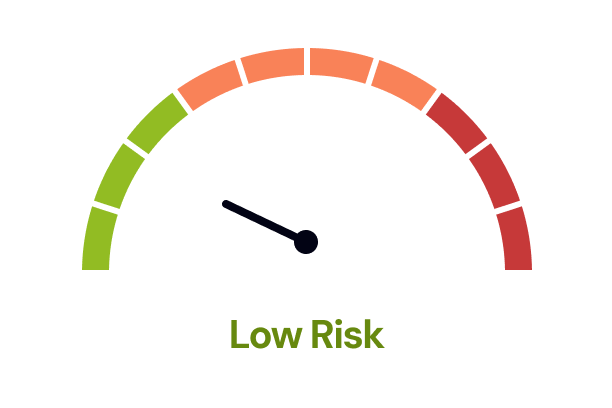
The Legal Risk Score of a Consultancy Agreement (Pro-Supplier) Template is Low
Our legal team has considered this legal document low risk considering:
- There is a risk related to the protection and ownership of intellectual property, as the document outlines specific conditions under which each party maintains control or gains access to intellectual property, which could lead to potential disputes or misunderstandings about usage rights.
- The payment terms include provisions for charging interest on late payments and varying fees with notice, which could introduce financial unpredictability and increased costs for the party making payments.
- The document allows the use of subcontractors to fulfill obligations, which could lead to variability in the quality and timeliness of the work delivered, depending on the subcontractors' adherence to the standards originally agreed upon between the primary parties.
Overall, this document carries a level of risk due to the detailed clauses concerning intellectual property, payment, and the use of subcontractors, which could affect the smooth execution of the agreement. Users familiar with consultancy agreements might find this document comprehensive, but should be cautious of the specific obligations and rights that could impact their business operations and financial planning.
Meet Our Users
Articles about Consultancy Agreement (Pro-Supplier)

How To Start A Consulting Business
Learn how to start a consultancy in Australia, step-by-step. Avoid costly missteps and launch with confidence. Get expert tips and a free startup toolkit!

Services Agreement and Consultancy Agreement - Create for Free
Learn of the main differences between a services agreement and a consultancy agreement. Create your own document for free on LawPath today!

Top 10 Documents Used in the Consulting Industry
Working as a consultant or planning on entering the industry? Find out the top 10 most used legal documents in the consulting industry here.

How To Hire A Consultant (2025 Update)
Looking to hire a consultant? Here we explain what a consultant does and the benefits of hiring one for your business.

Legal Docs to Protect Freelancers & Consultants
Discover the essential legal documents for freelancers in Australia. Learn how contracts, NDAs, and IP agreements can protect your business and streamline your freelance work.

Want to Be a Consultant? Key Things to Know
Thinking about getting into consultancy? Read this article to understand the different legal considerations you should make when becoming a consultant.

Why Does My Business Need a Client Agreement?
Conflicts can arise from time to time between you and your clients. Find out how you can prevent disputes from arising with a Client Agreement.

Supplier Service Agreement: Negotiation & Contracting Tips
Learn the eight tips to be followed when negotiating and contracting a Service Agreement with your supplier.

What Does a Services Agreement Cover?
A Services Agreement governs the relationship between the supplier and the client. Read on to find out what terms need to be included in this document.
Looking for more documents?
Privacy Policy
A Privacy Policy outlines how your business will use, store and collect your customers' information. A Privacy Policy is required by law in certain circumstances.
Loan Agreement
This Loan Agreement can be used by lender when offering a loan to a Borrower.
Non-Disclosure Agreement (Mutual)
A Non-Disclosure Agreement (Mutual) allows you and another party to share confidential information while legally forbidding either party from disclosing that information to any other person or entity.
Non-Disclosure Agreement (One Way)
A Non-Disclosure Agreement (One Way) allows you and another party to share confidential information while legally forbidding the other party from disclosing that information to any other person or entity.
Employment Agreement (Casual)
This Employment Agreement (Casual) is suitable for casual employees in any industry. This agreement is essential when hiring new casual employees for your business.
Business Sale Agreement
A Business Sale Agreement is used to clearly set out all relevant terms of the sale when selling or buying a business.
Contractor Agreement (Individual)
The Contractor Agreement (Individual) allows you to hire a contractor that is an individual (ie. not a company).
Shareholders Agreement
A Shareholders Agreement allows you to clarify the relationship between shareholders of your company.