
Employee Assistance Program Policy
This Employee Assistance Program (EAP) Policy can be used to ensure that employees are aware of EAP services provided by the company, as part of its commitment to promote the mental health of employees.
Last updated October 24, 2025
Suitable for Australia
Create & Customise Legal Templates Online
What is a employee assistance program policy?
What is a employee assistance program policy?
When should you use a employee assistance program policy?
When should you use a employee assistance program policy?
What should be in a employee assistance program policy?
What should be in a employee assistance program policy?
How to create a legal document
- check_circle
Access the Document Library
- check_circle
Select the template that matches your needs
- check_circle
Customise by adding or removing clauses with assistance from Lawpath AI
- check_circle
Personalise with your headers, footers, logos, or additional text
- check_circle
Store all documents securely in your account for easy access
Frequently asked questions
Who is eligible to access the EAP services under this policy?
keyboard_arrow_upWhat types of support services are offered?
keyboard_arrow_upHow is employee privacy and confidentiality protected?
keyboard_arrow_upCan employees access EAP services outside of work hours?
keyboard_arrow_upWhat issues can the EAP help with?
keyboard_arrow_upWho is responsible for administering the policy?
keyboard_arrow_upWhat are the next steps after adopting this policy?
keyboard_arrow_upView Sample Employee Assistance Program Policy
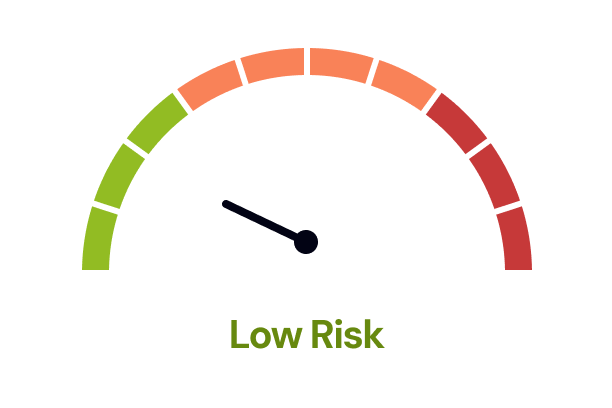
The Legal Risk Score of a Employee Assistance Program Policy Template is Low
Our legal team have marked this document as low risk considering:
- There is a risk that the confidentiality of the individuals using the Employee Assistance Program (EAP) could be compromised, despite assurances, as the document states that issues are reported collectively and anonymously which might not entirely eliminate the risk of identification.
- The document limits the availability of EAP services to current employees, apprentices, and trainees, which means that individuals who leave the company lose access to potentially crucial support services.
- The EAP covers a broad range of personal and professional issues, but there might be limitations on the depth of support or resources available for each specific issue, which could affect the effectiveness of the assistance provided.
Meet Our Users
Articles about Employee Assistance Program Policy

5 Tips to Help Improve Employee Wellbeing
Worried about the wellbeing of your employees? Be proactive and learn what you can do to improve the workplace in 5 simple ways.

Create a Workplace Mental Health Action Plan
A mental health action plan can reduce the risk of mental health injuries in your workplace. Read this guide to find out how to create one.

Workplace Policies: Why Small Businesses Need Them
Workplace policies do more than just set out rules for employees. They can bring structure and safety to your business. Read on here.

5 Benefits of Promoting Workplace Mental Health
Understanding the importance of mental health benefits everyone in the workplace. Read this article to learn how.

Employee Burnout: 5 Signs Your Employers Should Know
Worried your employees are suffering from burnout? Keep reading to learn the signs of burnout as well as ways to help them through it.

Mental Health Day Off: Can Employees Take It?
Are you planning to incorporate a mental health day off in your employment policy? Read about it in our latest post.

Why You Should Offer Your Employees Fringe Benefits
Learn the advantages of fringe benefits for your employees and your business.

Compassionate & Bereavement Leave Rights in Australia
Learn about the rights and entitlements you or your employees have in regards to bereavement and compassionate leave.

New Mental Health Reforms: What Businesses Need
In 2015 the Federal Government introduced reforms governing mental illness in the workplace. Understanding these reforms can help your business comply with workplace regulations concerning mental illness.
Looking for more documents?
Employment Agreement (Casual)
This Employment Agreement (Casual) is suitable for casual employees in any industry. This agreement is essential when hiring new casual employees for your business.
Contractor Agreement (Individual)
The Contractor Agreement (Individual) allows you to hire a contractor that is an individual (ie. not a company).
Shareholders Agreement
A Shareholders Agreement allows you to clarify the relationship between shareholders of your company.
Full Time Employment Agreement
This Full Time Employment Agreement covers everything you need when hiring a new full time employee. It is applicable to any industry in Australia.
Consultancy Agreement (Pro-Supplier)
A Consultancy Agreement (Pro-Supplier) can be used if you provide consultancy services or engage consultancy services from another entity. This version of the Consultancy Agreement is drafted in favour of the supplier, from a commercial and legal perspective.
Website Terms and Conditions of Use (Goods)
This Website Terms And Conditions of Use (Goods) outlines the rules people must follow when using your website. It includes protection for your IP, disclaimers to limit your liability and makes you compliant with Australian law.
Contractor Agreement (Company)
A Contractor Agreement (Company) allows you to engage a contractor that is a company.
Internship Agreement
An Internship Agreement is used when hiring an unpaid intern for your business.