
Social Media Policy
This Social Media Policy outlines your expectations around social media use during and outside of work hours by employees or other workers such as contractors or interns. This policy also clarifies what constitutes acceptable and unacceptable behaviour regarding work-related and personal social media accounts, along with the consequences of any breaches.
Last updated October 23, 2025
Suitable for Australia
Create & Customise Legal Templates Online
What is a social media policy?
What is a social media policy?
When should you use a social media policy?
When should you use a social media policy?
What should be in a social media policy?
What should be in a social media policy?
How to create a legal document
- check_circle
Access the Document Library
- check_circle
Select the template that matches your needs
- check_circle
Customise by adding or removing clauses with assistance from Lawpath AI
- check_circle
Personalise with your headers, footers, logos, or additional text
- check_circle
Store all documents securely in your account for easy access
Frequently asked questions
Who can this policy apply to?
keyboard_arrow_upDoes this policy cover personal social media use?
keyboard_arrow_upWhat protections does this policy offer my business?
keyboard_arrow_upAre there any risks or limitations to using this policy?
keyboard_arrow_upHow often should the policy be updated?
keyboard_arrow_upWhat steps should I take after implementing this policy?
keyboard_arrow_upIs this policy valid across all Australian states and territories?
keyboard_arrow_upView Sample Social Media Policy
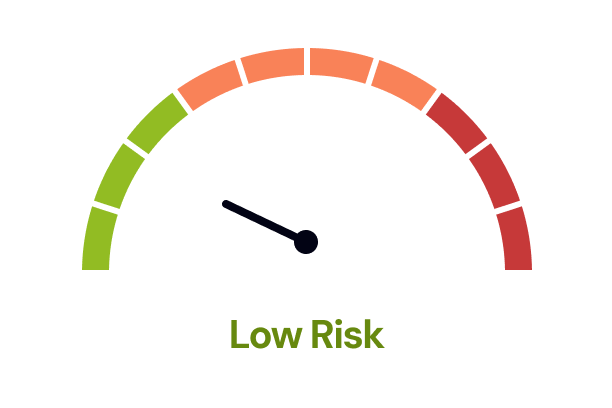
The Legal Risk Score of a Social Media Policy Template is Low
Our legal team have marked this document as low risk considering:
- There is a risk of personal expression being limited as the policy requires disclaimers and careful consideration before posting, which may affect how freely employees feel they can share their personal views online.
- Employees need to be vigilant about the content they post, as any breach of this policy, even outside of work hours, could lead to severe disciplinary actions including termination.
- The policy places the responsibility entirely on the employee to ensure no confidential or sensitive company information is disclosed, which could be challenging given the informal nature and rapid sharing capabilities of social media platforms.
Meet Our Users
Articles about Social Media Policy

Why you should have a Social Media Policy (2025 Update)
An article that gives an outline of how a social media policy can benefit you.

Legal Tips for Using Social Media for Your Business
Using social media to promote your business can be effective, but there are some legal risks. Here are some tips to help you out.

Social Media Laws Your Business Needs to Know
An overview of some basic legal principles you need to comply with when using social media for advertising your business.

5 Ways to Use Social Media Effectively for Business
An effective social media strategy can immensely improve your brand and promote your products and services. Continue reading for 5 ways to implement one.

How to Advertise Your Business on Instagram
It can be difficult to start to advertise your business on Instagram when the platform is so complex. Find some guidance here.

Can Your Business Be Sued for Social Media Comments?
Following a recent Court case, companies may be held liable for other peoples' comments on their social media accounts. Find out more here.

How to Start a Social Media Marketing Business
Are you social media savvy? Do you have a strong online presence? Find out how you can start a social media marketing business here.

Should Social Media Platforms Moderate Content More?
Content moderation presents a range of difficulties in preventing the spread of harmful content, but is more moderation the answer?

Can Posts Made on Facebook Be Defamatory?
Defamation is a serious issue both online and off. Read more to learn about whether posts made on Facebook can be defamatory and what to do about them.
Looking for more documents?
Employment Agreement (Casual)
This Employment Agreement (Casual) is suitable for casual employees in any industry. This agreement is essential when hiring new casual employees for your business.
Contractor Agreement (Individual)
The Contractor Agreement (Individual) allows you to hire a contractor that is an individual (ie. not a company).
Shareholders Agreement
A Shareholders Agreement allows you to clarify the relationship between shareholders of your company.
Full Time Employment Agreement
This Full Time Employment Agreement covers everything you need when hiring a new full time employee. It is applicable to any industry in Australia.
Consultancy Agreement (Pro-Supplier)
A Consultancy Agreement (Pro-Supplier) can be used if you provide consultancy services or engage consultancy services from another entity. This version of the Consultancy Agreement is drafted in favour of the supplier, from a commercial and legal perspective.
Website Terms and Conditions of Use (Goods)
This Website Terms And Conditions of Use (Goods) outlines the rules people must follow when using your website. It includes protection for your IP, disclaimers to limit your liability and makes you compliant with Australian law.
Contractor Agreement (Company)
A Contractor Agreement (Company) allows you to engage a contractor that is a company.
Internship Agreement
An Internship Agreement is used when hiring an unpaid intern for your business.