
Formal Warning Letter (Unsatisfactory Performance)
A Formal Warning Letter (Unsatisfactory Performance) is an official warning you can give to your employee, notifying them that their performance is unsatisfactory. It's your first step in the process of terminating an employee.
Last updated January 21, 2025
Suitable for Australia
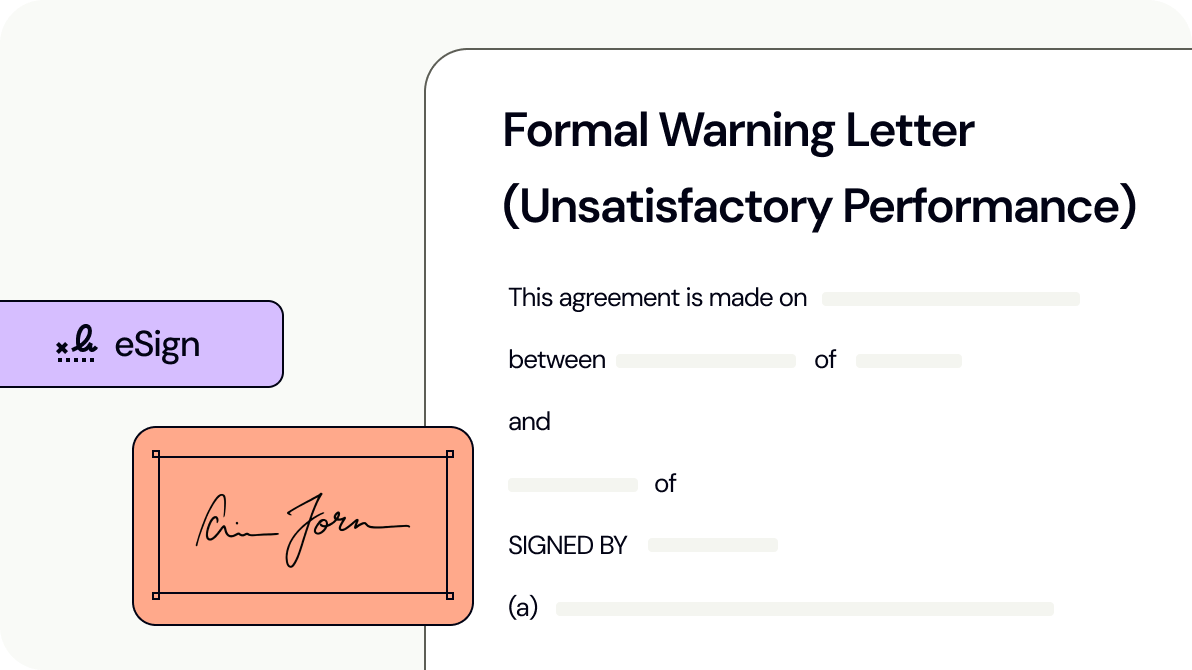
Create & Customise Legal Templates Online
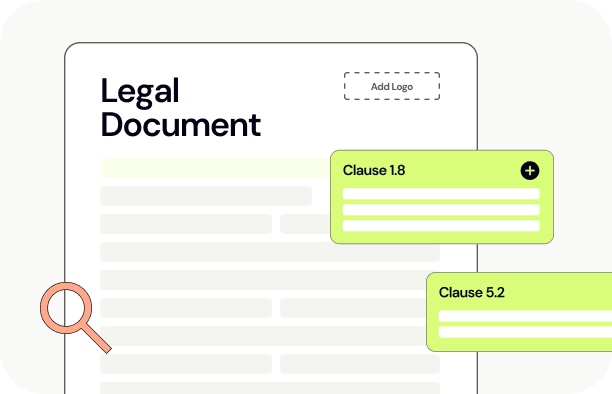
What is a formal warning letter (unsatisfactory performance)?
What is a formal warning letter (unsatisfactory performance)?
When should you use a formal warning letter (unsatisfactory performance)?
When should you use a formal warning letter (unsatisfactory performance)?
What should be in a formal warning letter (unsatisfactory performance)?
What should be in a formal warning letter (unsatisfactory performance)?
How to create a legal document
- check_circle
Access the Document Library
- check_circle
Select the template that matches your needs
- check_circle
Customise by adding or removing clauses with assistance from Lawpath AI
- check_circle
Personalise with your headers, footers, logos, or additional text
- check_circle
Store all documents securely in your account for easy access
Frequently asked questions
Who can use this document?
keyboard_arrow_upWhat protections does this letter provide for employers?
keyboard_arrow_upWhat are the limitations of this document?
keyboard_arrow_upWhat should you do after issuing the letter?
keyboard_arrow_upCan this letter be used for misconduct as well as poor performance?
keyboard_arrow_upHow quickly can this document be completed?
keyboard_arrow_upWhat other documents might you need in the performance management process?
keyboard_arrow_upView Sample Formal Warning Letter (Unsatisfactory Performance)

The Legal Risk Score of a Formal Warning Letter (Unsatisfactory Performance) Template is Medium
Our legal team have marked this document as medium risk considering:
- If poorly managed, a warning of dismissal can create liability for the employer.
- A performance management process requires meaningful support from the employer.
Users familiar with performance management processes may find it easy to use but should ensure thorough completion to avoid gaps that could affect the document's effectiveness and clarity in meeting its goals.
Meet Our Users
Articles about Formal Warning Letter (Unsatisfactory Performance)

Formal Warning Letter Sample
Learn how to create your free Formal Warning Letter using our Sample.

What Legal Services do I need to Fire an Employee?
Firing an employee is a difficult process for businesses. Find out what legal services your business will need when firing an employee.

How to Effectively Manage Underperformance
Learn about how you can deal with underperforming employees in your company.

Work Injuries and Dismissals - Be Careful
Terminating an under-performing employee is not unheard of. However, employers must be careful when doing this to avoid any false claims being made.

When Can an Employee Be Immediately Dismissed?
Difficult employees can be one of the hardest things for small businesses to deal with. Learn when employees can be dismissed without notice or warning.

What Is Performance Management?
Learn what performance management in workplace means and what a performance management policy in workplace should include.

How To Fire Someone
Learn the process you need to go through before you can fire an employee, under reasonable circumstances.

How to Distinguish Misconduct from Poor Performance
Poor performance and misconduct can both severely impact your business. Find out how to differentiate between them in this article.

My Employee Stopped Coming to Work, What do I do?
Has your employee stopped coming to work? Learn more about how to deal with absent employees and your rights and responsibilities.
Looking for more documents?
Privacy Policy
A Privacy Policy outlines how your business will use, store and collect your customers' information. A Privacy Policy is required by law in certain circumstances.
Loan Agreement
This Loan Agreement can be used by lender when offering a loan to a Borrower.
Non-Disclosure Agreement (Mutual)
A Non-Disclosure Agreement (Mutual) allows you and another party to share confidential information while legally forbidding either party from disclosing that information to any other person or entity.
Non-Disclosure Agreement (One Way)
A Non-Disclosure Agreement (One Way) allows you and another party to share confidential information while legally forbidding the other party from disclosing that information to any other person or entity.
Employment Agreement (Casual)
This Employment Agreement (Casual) is suitable for casual employees in any industry. This agreement is essential when hiring new casual employees for your business.
Business Sale Agreement
A Business Sale Agreement is used to clearly set out all relevant terms of the sale when selling or buying a business.
Contractor Agreement (Individual)
The Contractor Agreement (Individual) allows you to hire a contractor that is an individual (ie. not a company).
Shareholders Agreement
A Shareholders Agreement allows you to clarify the relationship between shareholders of your company.