
Deed of Release (Redundancy)
A Deed of Release (Redundancy) can be used when you have terminated an employee due to redundancy.
Last updated January 14, 2025
Suitable for Australia
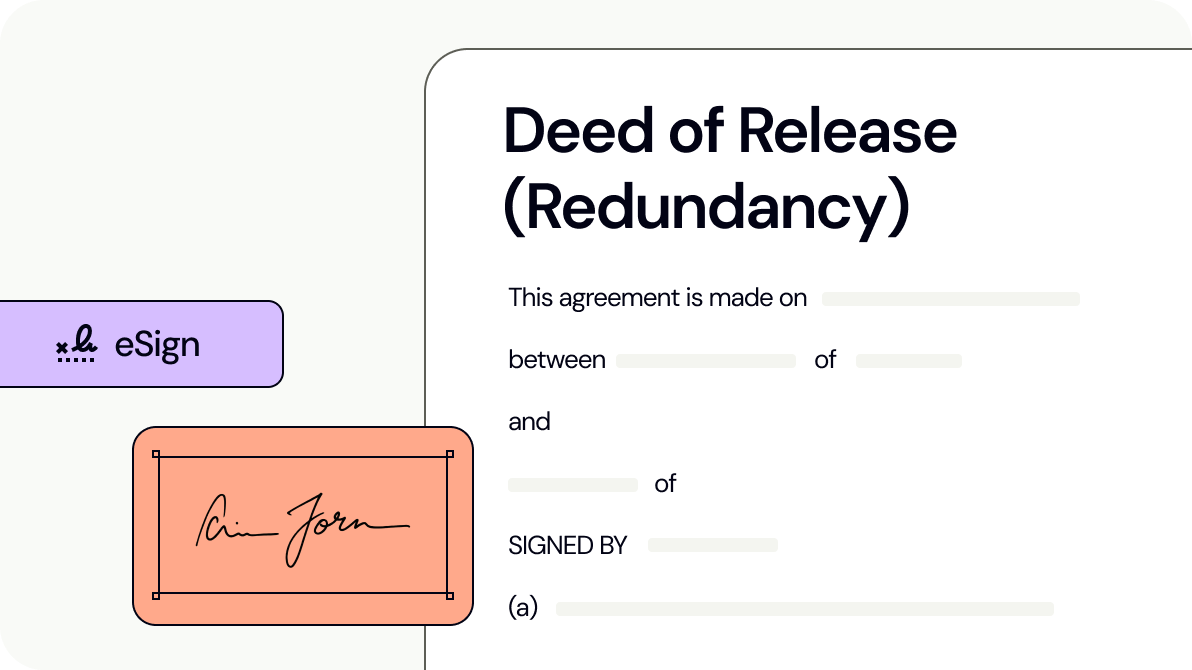
Create & Customise Legal Templates Online
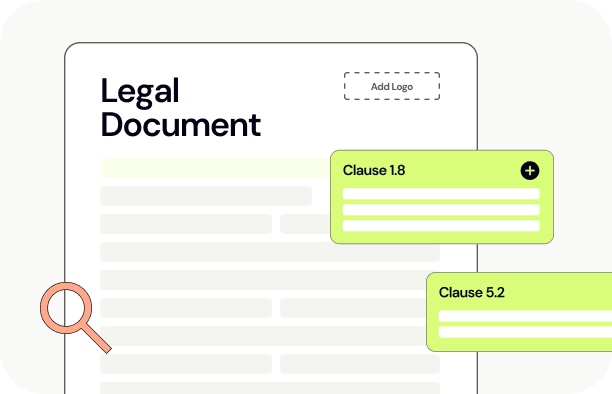
What is a deed of release (redundancy)?
What is a deed of release (redundancy)?
When should you use a deed of release (redundancy)?
When should you use a deed of release (redundancy)?
What should be in a deed of release (redundancy)?
What should be in a deed of release (redundancy)?
How to create a legal document
- check_circle
Access the Document Library
- check_circle
Select the template that matches your needs
- check_circle
Customise by adding or removing clauses with assistance from Lawpath AI
- check_circle
Personalise with your headers, footers, logos, or additional text
- check_circle
Store all documents securely in your account for easy access
Frequently asked questions
What protections does this document provide for employers?
keyboard_arrow_upWhat are the main limitations for employees?
keyboard_arrow_upIs this document suitable for all types of terminations?
keyboard_arrow_upWhat steps are required to make the deed effective?
keyboard_arrow_upDoes this deed affect post-employment restraints?
keyboard_arrow_upHow quickly can this document be completed?
keyboard_arrow_upWhat should both parties do after signing?
keyboard_arrow_upView Sample Deed of Release (Redundancy)

The Legal Risk Score of a Deed of Release (Redundancy) Template is Medium
Our legal team have marked this document as medium risk considering:
- The document stipulates that all claims against the employer related to the employment and its termination are fully released, which could prevent the employee from pursuing any further legal action if future issues or unrecognized claims related to the employment arise.
- Redundancy carries the inherent risk of an unfair dismissal claim if not managed properly.
- The employee's signature must be witnessed in order to be effective.
Overall, this document is designed to finalize the end of an employment relationship by settling all claims and reinforcing confidentiality and professional conduct post-employment. While it provides clarity and finality, it also imposes significant restrictions on the parties, especially the employee, which could be seen as limiting in terms of future claims and freedom of speech regarding the employment experience. Users should consider whether the security of a clean break and the potential limitations align with their personal or business goals.
Meet Our Users
Articles about Deed of Release (Redundancy)

Should Employees Sign a Deed of Release?
Being an employer can be challenging. As employees come and go, it's good to know when a deed of release is useful. Read more about when to use one here.

What Is A Release Deed?
A deed of release is important as it ensures both parties are fully aware of the agreements and terms of a settlement. This article will cover everything you need to know about release deeds.

A Comprehensive Guide to Employee Redundancy in Australia
Discover everything you need to know about employee redundancy in Australia with valuable insights for both employers and employees.

Redundancy: Lessons for Employers (2025 Update)
Manage redundancies legally and fairly to avoid costly mistakes. Includes a free calculator for redundancy payments, consultation checklists, and compliant templates.

How Employers Calculate Redundancy Pay in Australia
Learn how to calculate and manage redundancy payments in Australia. Your step-by-step guide to severance pay requirements and obligations.

5 Questions to Ask a Redundancy Lawyer
According to the Australian Bureau of Statistics, over 4% of employees are made redundant each year. Let us guide you through this difficult process with our easy guide.

How Does Voluntary Redundancy Work?
Voluntary redundancy occurs where an employer compensates an employee if they voluntarily terminate their own employment. Find out more here.

Do Small Businesses Have to Pay Redundancy Pay?
Redundancy occurs when an employee's job is no longer required, however there are different legal requirements for small businesses. Find out more here.

How Do Redundancy Payments Work?
Has your business recently made someone redundant? Or have you been made redundant? Find out the implications here.
Looking for more documents?
Employment Agreement (Casual)
This Employment Agreement (Casual) is suitable for casual employees in any industry. This agreement is essential when hiring new casual employees for your business.
Contractor Agreement (Individual)
The Contractor Agreement (Individual) allows you to hire a contractor that is an individual (ie. not a company).
Shareholders Agreement
A Shareholders Agreement allows you to clarify the relationship between shareholders of your company.
Full Time Employment Agreement
This Full Time Employment Agreement covers everything you need when hiring a new full time employee. It is applicable to any industry in Australia.
Consultancy Agreement (Pro-Supplier)
A Consultancy Agreement (Pro-Supplier) can be used if you provide consultancy services or engage consultancy services from another entity. This version of the Consultancy Agreement is drafted in favour of the supplier, from a commercial and legal perspective.
Website Terms and Conditions of Use (Goods)
This Website Terms And Conditions of Use (Goods) outlines the rules people must follow when using your website. It includes protection for your IP, disclaimers to limit your liability and makes you compliant with Australian law.
Contractor Agreement (Company)
A Contractor Agreement (Company) allows you to engage a contractor that is a company.
Internship Agreement
An Internship Agreement is used when hiring an unpaid intern for your business.