
Complaint Policy
A Complaints Policy outlines how your business will manage complaints and work to protect your reputation.
Last updated October 21, 2025
Suitable for Australia
Create & Customise Legal Templates Online
What is a complaint policy?
What is a complaint policy?
When should you use a complaint policy?
When should you use a complaint policy?
What should be in a complaint policy?
What should be in a complaint policy?
How to create a legal document
- check_circle
Access the Document Library
- check_circle
Select the template that matches your needs
- check_circle
Customise by adding or removing clauses with assistance from Lawpath AI
- check_circle
Personalise with your headers, footers, logos, or additional text
- check_circle
Store all documents securely in your account for easy access
Frequently asked questions
Who should consider having this policy?
keyboard_arrow_upHow does this policy protect my business?
keyboard_arrow_upDoes the policy specify complaint response timeframes?
keyboard_arrow_upWhat are the main steps for handling a complaint?
keyboard_arrow_upAre contact details for submitting complaints included?
keyboard_arrow_upCan this policy be used Australia-wide?
keyboard_arrow_upWhat other documents might I need alongside this policy?
keyboard_arrow_upView Sample Complaint Policy
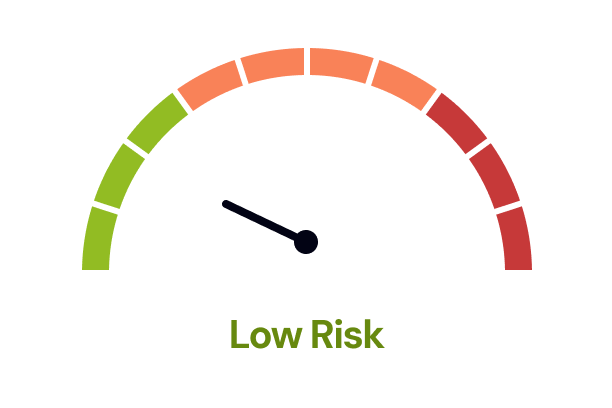
The Legal Risk Score of a Complaint Policy Template is Low
Our legal team have marked this document as low risk considering:
- The document does not specify exact time frames within which complaints must be addressed, which could lead to delays in resolving issues.
- The document mentions that complaints should be sent to a specific contact but fails to provide explicit contact details, potentially complicating the submission process.
- The document states that the company will keep in touch during the complaint process and notify the complainant of the outcome, but it does not detail how often communication will occur or through what means, possibly leaving users uninformed about the status of their complaint.
Meet Our Users
Articles about Complaint Policy

How to Handle Employee Complaints
The way you handle employee complaints can have big effects on the culture of your workplace. Find out more here.
How to Handle Anonymous Bad Reviews of Your Business
Anonymous bad reviews can be damaging to your business, particularly if they're difficult to verify. Find out here what you can do.

How to Enforce Your Copyright Material Online
It is important to know how to enforce your copyright material online to prevent large scale infringements. Read this guide to learn more.

Protecting Your Business from Bad & False Reviews
Bad and false reviews can be extremely harmful to your businesses reputation. Learn about what you can do to protect your business here.

How to Make a Noise Complaint (2025 Update)
Are loud noises coming from next door constantly keep you up at night, or disrupting your quiet evening? Read about how to make a noise complaint here.

Is Google Legally Required to Remove False Reviews?
Has your business had a false and negative review posted by a troll or disgruntled customer? Read here to see what you can do about it.

How to Create a Privacy Policy (2025 Update)
A privacy policy informs website users how you will handle their information. Find out how to create a Privacy Policy here.

How to Tackle Workplace Harassment
Workplace harassment is more common than many people realise. Find out how you can manage and prevent it in this guide.

What to Do If Another Business Defames You
Defamation can occur between businesses. Find out in this article what to do if you've been defamed by another business.
Looking for more documents?
Privacy Policy
A Privacy Policy outlines how your business will use, store and collect your customers' information. A Privacy Policy is required by law in certain circumstances.
Loan Agreement
This Loan Agreement can be used by lender when offering a loan to a Borrower.
Non-Disclosure Agreement (Mutual)
A Non-Disclosure Agreement (Mutual) allows you and another party to share confidential information while legally forbidding either party from disclosing that information to any other person or entity.
Non-Disclosure Agreement (One Way)
A Non-Disclosure Agreement (One Way) allows you and another party to share confidential information while legally forbidding the other party from disclosing that information to any other person or entity.
Business Sale Agreement
A Business Sale Agreement is used to clearly set out all relevant terms of the sale when selling or buying a business.
Shareholders Agreement
A Shareholders Agreement allows you to clarify the relationship between shareholders of your company.
Services Agreement (Pro-Supplier)
This Services Agreement (Pro-Supplier) sets out the relationship between you, the service provider, and the business receiving the services. This version of the Services Agreement is drafted in favour of the supplier from a commercial and legal perspective.
Discretionary Trust Deed
A Discretionary Trust Deed is used to establish a discretionary trust in any state or territory in Australia.