
AI Policy (Use of Text Generators)
This workplace Policy outlines the procedures that employees need to follow when using AI text generators.
Last updated February 4, 2025
Suitable for Australia
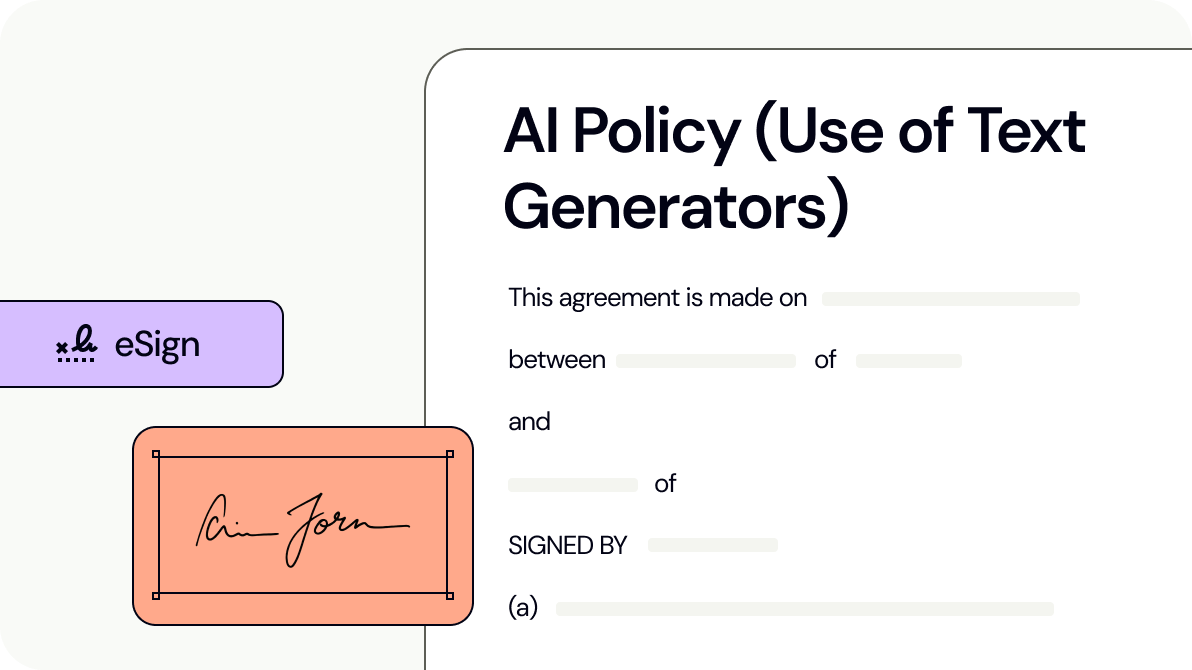
Create & Customise Legal Templates Online
What is a ai policy (use of text generators)?
What is a ai policy (use of text generators)?
When should you use a ai policy (use of text generators)?
When should you use a ai policy (use of text generators)?
What should be in a ai policy (use of text generators)?
What should be in a ai policy (use of text generators)?
How to create a legal document
- check_circle
Access the Document Library
- check_circle
Select the template that matches your needs
- check_circle
Customise by adding or removing clauses with assistance from Lawpath AI
- check_circle
Personalise with your headers, footers, logos, or additional text
- check_circle
Store all documents securely in your account for easy access
Frequently asked questions
Who should implement this policy in their workplace?
keyboard_arrow_upWhat risks does this policy help address?
keyboard_arrow_upDoes the policy cover all types of AI text generators?
keyboard_arrow_upAre there requirements for training under this policy?
keyboard_arrow_upHow does the policy protect sensitive company information?
keyboard_arrow_upWhat are the consequences of breaching this policy?
keyboard_arrow_upHow often should the policy be reviewed or updated?
keyboard_arrow_upView Sample AI Policy (Use of Text Generators)
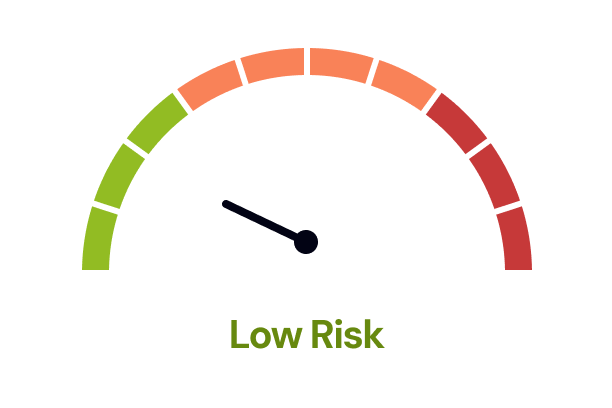
The Legal Risk Score of a AI Policy (Use of Text Generators) Template is Low
Our legal team have marked this document as low risk considering:
- There are few immediate compliance risks involved when it comes to AI in the workplace.
- The policy can be modified at any time.
- The use of AI text generators without proper disclosure, especially in customer interactions or collaborations, could lead to ethical concerns and misunderstandings about the human involvement in communications.
Meet Our Users
Articles about AI Policy (Use of Text Generators)

Why Your Business Should Implement a Strong AI Policy
Does your business use AI text generators? If so, your business should have a strong AI policy. Read this article to find out why.
AI: What It Is & How It Helps Businesses
Artificial intelligence has become increasingly popular. So, let's go through what it is and how your business may implement the use of AI.
21 AI Service and Business Ideas for Australia
Want to get in on the ample opportunities offered by AI? Here are 21 business ideas you could start working on today.

Court Rules AI Systems Can Be Inventors
Australian Court makes landmark decision that AI systems can be inventors for the purposes of the Patents Act 1990 (Cth). Read more here.

Protect Your Business in 10 Minutes
Learn how a Privacy Policy, Non-Disclosure Agreement an Intellectual Property Agreement can be your triple threat when protecting your business.

Should AI Change the Hearsay Rule?
Knowing your 'smart' device may be listening may be a slight comfort in a serious incident, but would such evidence even be admissible under Australian law?

Acceptable Use Policies: An Explainer
Acceptable Use Policies outline what is and is not acceptable in the workplace. Find out more in this article.

How Are AI Works Patented?
Patent law gives you the exclusive right to your invention's commercial benefits, but who gets the rights for work created by a computer?

How to Create a Privacy Policy (2025 Update)
A privacy policy informs website users how you will handle their information. Find out how to create a Privacy Policy here.
Looking for more documents?
Employment Agreement (Casual)
This Employment Agreement (Casual) is suitable for casual employees in any industry. This agreement is essential when hiring new casual employees for your business.
Contractor Agreement (Individual)
The Contractor Agreement (Individual) allows you to hire a contractor that is an individual (ie. not a company).
Shareholders Agreement
A Shareholders Agreement allows you to clarify the relationship between shareholders of your company.
Full Time Employment Agreement
This Full Time Employment Agreement covers everything you need when hiring a new full time employee. It is applicable to any industry in Australia.
Consultancy Agreement (Pro-Supplier)
A Consultancy Agreement (Pro-Supplier) can be used if you provide consultancy services or engage consultancy services from another entity. This version of the Consultancy Agreement is drafted in favour of the supplier, from a commercial and legal perspective.
Website Terms and Conditions of Use (Goods)
This Website Terms And Conditions of Use (Goods) outlines the rules people must follow when using your website. It includes protection for your IP, disclaimers to limit your liability and makes you compliant with Australian law.
Contractor Agreement (Company)
A Contractor Agreement (Company) allows you to engage a contractor that is a company.
Internship Agreement
An Internship Agreement is used when hiring an unpaid intern for your business.