
Loan Agreement
This Loan Agreement can be used by lender when offering a loan to a Borrower.
Last updated January 22, 2025
Suitable for Australia
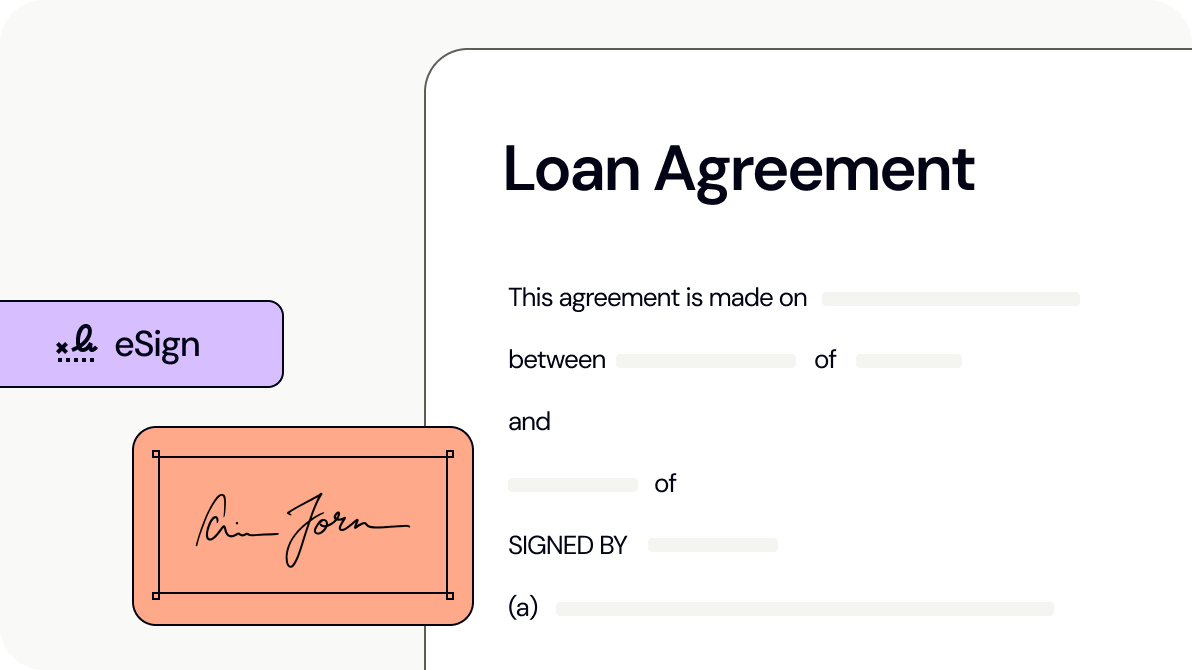
Create & Customise Legal Templates Online
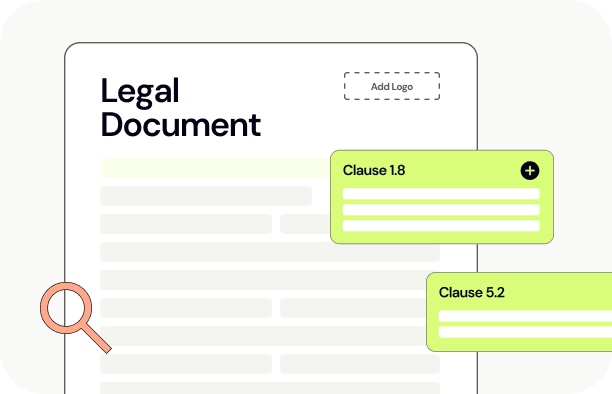
What is a loan agreement?
What is a loan agreement?
A loan agreement is a written contract where a lender provides money to a borrower, who agrees to repay it under specified terms.
It sets out the loan amount, repayment schedule, interest rate, fees, and what happens if the borrower defaults. Having one in writing protects both sides, even for a loan between friends or family.
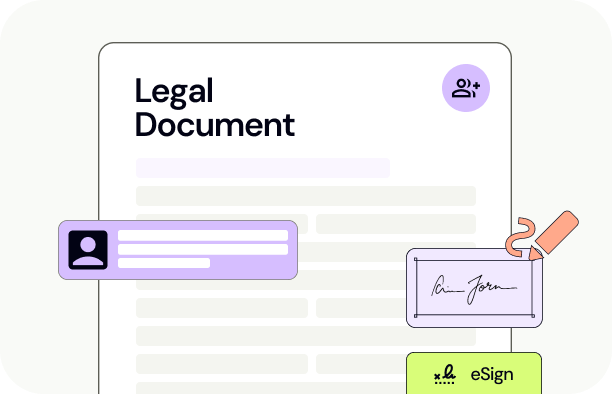
Is a loan agreement legally binding?
Is a loan agreement legally binding?
Yes, a loan agreement is a legally binding contract once both parties sign it, whether the loan is between businesses, friends or family members.
A verbal promise to repay money is much harder to enforce, since there's no documented record of the amount, the terms, or that the money was ever a loan rather than a gift.
Do I need an Australian Credit Licence to lend money using this agreement?
Do I need an Australian Credit Licence to lend money using this agreement?
Generally no, if you're lending money as a one-off to a friend, family member, or business associate rather than as part of a business of lending money.
If you regularly lend to individuals for personal, domestic or household purposes as a business, the National Consumer Credit Protection Act may require an Australian Credit Licence, so check this before lending regularly or at scale.
How to create a legal document
- check_circle
Access the Document Library
- check_circle
Select the template that matches your needs
- check_circle
Customise by adding or removing clauses with assistance from Lawpath AI
- check_circle
Personalise with your headers, footers, logos, or additional text
- check_circle
Store all documents securely in your account for easy access
Frequently asked questions
Can you use a loan agreement for business or personal loans?
keyboard_arrow_upDoes a loan agreement cover both secured and unsecured loans?
keyboard_arrow_upWhat's the difference between a loan agreement and a promissory note?
keyboard_arrow_upHow is interest handled in a loan agreement?
keyboard_arrow_upWhat protections does a loan agreement provide to the lender?
keyboard_arrow_upWhat are the main risks for borrowers under a loan agreement?
keyboard_arrow_upWhat's the most common mistake people make with a loan agreement?
keyboard_arrow_upHow do you write a loan agreement?
keyboard_arrow_upHow long does it take to create a loan agreement?
keyboard_arrow_upHow much does it cost to get a loan agreement, template versus a lawyer?
keyboard_arrow_upView Sample Loan Agreement

The Legal Risk Score of a Loan Agreement Template is Medium
Our legal team have marked this document as medium risk considering:
- There is a risk that the loanee may have to comply with regulatory obligations in making loans as part of its business.
- The document allows the lender to demand immediate repayment of all monies following an event of default without prior notice, which could place significant financial pressure on the borrower unexpectedly.
- The agreement grants the lender extensive control and discretion over the enforcement of terms, which may result in a lack of predictability and increased uncertainty for the borrower regarding the lender's actions.
Users familiar with legal and financial obligations may find this agreement manageable, but it is crucial for any party entering into this agreement to understand the long-term implications and the lender's significant discretionary powers.
Meet Our Users
Articles about Loan Agreement

How to Create a Loan Agreement
Discover the necessary considerations you need to undertake when entering into a loan agreement and how you can effectively enter into a loan agreement to ensure your financial prosperity.

How To Start A Small Loans Business
You don’t have to be a major bank or have deep pockets to become a credit provider. Find out how to start your own small loans business here.

Can My Business Loan Money?
Find out if your business can loan money to other parties here.

How Do Interest Free Agreements Work?
Looking to purchase a product without paying upfront? Be aware of how interest free offers work to ensure your finances come out on top.

What is a Recourse Loan?
Recourse loans offer a great opportunity for small businesses to finance commercial real estate property purchases. Here's the pros and cons of using them.

What is a General Security Agreement (GSA)?
Have you been asked to sign a general security agreement (GSA) to secure a commercial loan? Read this guide to understand what it entails.

What Are the Main Types of Business Loans?
Most businesses will need financial assistance at some point in their lifetime. Read this article to find out the main types of business loans.

Cash-Secured Loans: An Explainer
Cash-secured loans use the money you keep with your financial institution as collateral. Find out more in this article.

5 Steps if Your Personal Loan Isn’t Repaid
Next steps for when someone isn't paying back the money that you lent them
Looking for more documents?
Privacy Policy
A Privacy Policy outlines how your business will use, store and collect your customers' information. A Privacy Policy is required by law in certain circumstances.
Non-Disclosure Agreement (Mutual)
A Non-Disclosure Agreement (Mutual) allows you and another party to share confidential information while legally forbidding either party from disclosing that information to any other person or entity.
Will
A Will is an essential document as part of your estate plan. This Will cannot be e-signed.
Non-Disclosure Agreement (One Way)
A Non-Disclosure Agreement (One Way) allows you and another party to share confidential information while legally forbidding the other party from disclosing that information to any other person or entity.
Website Terms and Conditions of Use (Services)
This Website Terms and Conditions of Use (Services) document is specifically tailored for websites selling services.
Business Sale Agreement
A Business Sale Agreement is used to clearly set out all relevant terms of the sale when selling or buying a business.
Contractor Agreement (Individual)
The Contractor Agreement (Individual) allows you to hire a contractor that is an individual (ie. not a company).
Shareholders Agreement
A Shareholders Agreement allows you to clarify the relationship between shareholders of your company.