
Use of Company Property Policy
The Use of Company Property Policy outlines to employees the responsibilities involved in using company property.
Last updated December 20, 2024
Suitable for Australia
Create & Customise Legal Templates Online
What is a use of company property policy?
What is a use of company property policy?
When should you use a use of company property policy?
When should you use a use of company property policy?
What should be in a use of company property policy?
What should be in a use of company property policy?
How to create a legal document
- check_circle
Access the Document Library
- check_circle
Select the template that matches your needs
- check_circle
Customise by adding or removing clauses with assistance from Lawpath AI
- check_circle
Personalise with your headers, footers, logos, or additional text
- check_circle
Store all documents securely in your account for easy access
Frequently asked questions
Who should have access to this policy?
keyboard_arrow_upWhat types of company property does this policy cover?
keyboard_arrow_upWhat are the key protections provided by this policy?
keyboard_arrow_upAre there any risks for employees under this policy?
keyboard_arrow_upHow often should the policy be reviewed or updated?
keyboard_arrow_upIs this policy suitable for all industries?
keyboard_arrow_upWhat are the next steps after adopting this policy?
keyboard_arrow_upView Sample Use of Company Property Policy
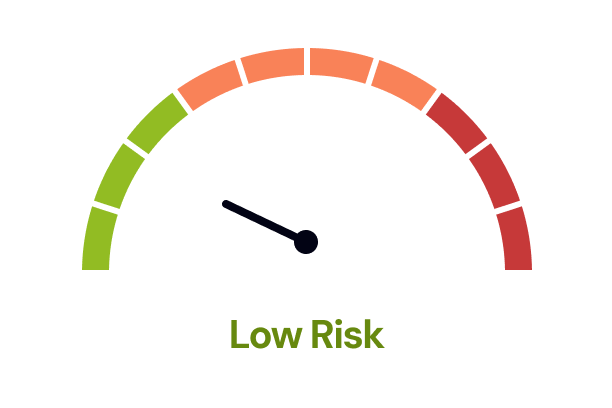
The Legal Risk Score of a Use of Company Property Policy Template is Low
Our legal team have marked this document as low risk considering:
- There is a risk of personal financial liability for workers, as they may be required to reimburse the company for any loss or damage to company property due to various reasons including negligence or misconduct.
- Workers might face restrictions and potential disciplinary actions, including termination, if they fail to adhere strictly to the usage guidelines and conditions set for company property.
- The policy allows the company to vary, replace, or terminate the policy at any time.
Meet Our Users
Articles about Use of Company Property Policy

Acceptable Use Policies: An Explainer
Acceptable Use Policies outline what is and is not acceptable in the workplace. Find out more in this article.

What Should My Business's IT Policy Include?
As technology becomes increasingly critical to most business functions, so does the necessity of a strong IT policy. Here's what to include and why.

Is It Legal to Access an Employee's Email Account?
Have you ever needed to access an employee's email account? Perhaps you were wondering whether this is legal? Read our guide to find out.

Why You Should Have an IT Policy
If you'd like to know about how to ensure that your employees utilise their computers, emails, etc. properly - read below.
Is It Legal to Delete Work Emails?
Work emails are the property of the employer. Find out in this article whether you can legally delete work emails.

How to Protect IP in Employment Contracts
Are you looking for ways to protect your IP in employment contracts but unsure how to safeguard your business? Read our detailed guide.

What to Do When Employee Theft Occurs
Employee theft is a common occurrence in businesses. It is important to make the right decision when it happens. Keep reading to find out more.

Workplace Policies: Why Small Businesses Need Them
Workplace policies do more than just set out rules for employees. They can bring structure and safety to your business. Read on here.

What Is A Work From Home Policy?
This article explores everything you need to know about how to create a work from home policy.
Looking for more documents?
Employment Agreement (Casual)
This Employment Agreement (Casual) is suitable for casual employees in any industry. This agreement is essential when hiring new casual employees for your business.
Contractor Agreement (Individual)
The Contractor Agreement (Individual) allows you to hire a contractor that is an individual (ie. not a company).
Shareholders Agreement
A Shareholders Agreement allows you to clarify the relationship between shareholders of your company.
Full Time Employment Agreement
This Full Time Employment Agreement covers everything you need when hiring a new full time employee. It is applicable to any industry in Australia.
Consultancy Agreement (Pro-Supplier)
A Consultancy Agreement (Pro-Supplier) can be used if you provide consultancy services or engage consultancy services from another entity. This version of the Consultancy Agreement is drafted in favour of the supplier, from a commercial and legal perspective.
Website Terms and Conditions of Use (Goods)
This Website Terms And Conditions of Use (Goods) outlines the rules people must follow when using your website. It includes protection for your IP, disclaimers to limit your liability and makes you compliant with Australian law.
Contractor Agreement (Company)
A Contractor Agreement (Company) allows you to engage a contractor that is a company.
Internship Agreement
An Internship Agreement is used when hiring an unpaid intern for your business.