
Unpaid Leave Policy
This Unpaid Leave Policy can be used to help your employees feel comfortable requesting time off if they do not have an entitlement to paid leave or have run out of paid leave. This Policy also clarifies that the Company is under no obligation to approve such leave that is incompatible with the Company’s needs.
Last updated December 18, 2024
Suitable for Australia
Create & Customise Legal Templates Online
What is a unpaid leave policy?
What is a unpaid leave policy?
When should you use a unpaid leave policy?
When should you use a unpaid leave policy?
What should be in a unpaid leave policy?
What should be in a unpaid leave policy?
How to create a legal document
- check_circle
Access the Document Library
- check_circle
Select the template that matches your needs
- check_circle
Customise by adding or removing clauses with assistance from Lawpath AI
- check_circle
Personalise with your headers, footers, logos, or additional text
- check_circle
Store all documents securely in your account for easy access
Frequently asked questions
Who is this policy suitable for?
keyboard_arrow_upDoes this policy guarantee approval of unpaid leave requests?
keyboard_arrow_upWhat protections does this policy provide for employers?
keyboard_arrow_upCan this policy help guide managers in handling leave requests?
keyboard_arrow_upAre there risks for employees under this policy?
keyboard_arrow_upWhat should employees do before requesting unpaid leave?
keyboard_arrow_upHow often should this policy be reviewed or updated?
keyboard_arrow_upView Sample Unpaid Leave Policy
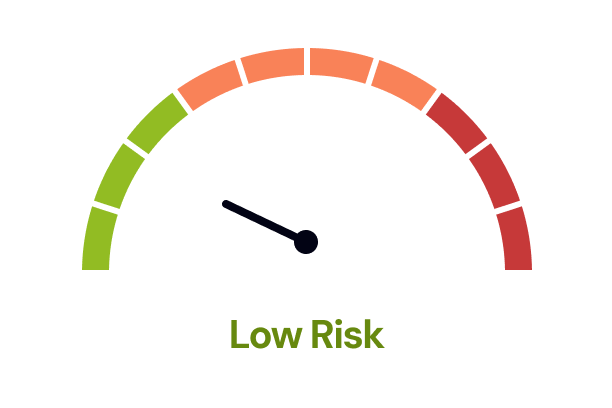
The Legal Risk Score of a Unpaid Leave Policy Template is Low
Our legal team have marked this document as low risk considering:
- There is a risk that unpaid leave requests may not be approved as the company’s needs and fairness to other employees are considered alongside individual circumstances, potentially leaving some employees unable to take needed leave.
- The policy does not obligate the company to provide unpaid leave, which could lead to unpredictability and inconsistency in how leave requests are handled.
- The requirement for prior authorization before taking leave or failing to attend work implies a risk of disciplinary action if not followed, which could impact employees who find themselves in sudden or emergency situations.
Meet Our Users
Articles about Unpaid Leave Policy

Is It Illegal If I Do Not Pay My Staff Sick Leave?
Paying staff sick leave that employees are entitled to is extremely important. Read about the different factors that determine these responsibilities here.

Annual Leave Obligations for Employers (With Calculator)
Everything you need to know about annual leave in Australia, from accrual rates to legal requirements and calculations

COVID-19 Employee Work Arrangements Guide 2021
Find the answers to commonly asked questions surrounding current employee working arrangements available to employers due to coronavirus.

Long-Term Sick Leave: Employee Entitlements
Employees experiencing long term illnesses or injuries are entitled to long term sick leave. How does it work and what should employers know?

How Does Negative Leave Work?
Are you wanting to lock-in that summer vacation but haven’t accrued enough leave? Find out how negative leave could work for you here.

What Is Time Off in Lieu? (2025 Update)
Rather than be paid overtime, employees can sometimes receive Time Off In Lieu (TOIL) for extra hours worked. Find out what this means here.

Can an Employer Refuse Annual Leave? (2025 Update)
Permanent employees in Australia are entitled to paid annual leave. Find out in what circumstances your employer can refuse annual leave here.

Australia’s Paid Parental Leave Rules
Australian parental leave is paid and unpaid. Find out more about Australia's paid parental leave for mums and dads here.

How to Manage an Employee Who Is Taking Too Much Sick Leave
All employees will have to take sick leave. Read more to see an answers for an employer when an employee takes too much sick leave.
Looking for more documents?
Employment Agreement (Casual)
This Employment Agreement (Casual) is suitable for casual employees in any industry. This agreement is essential when hiring new casual employees for your business.
Contractor Agreement (Individual)
The Contractor Agreement (Individual) allows you to hire a contractor that is an individual (ie. not a company).
Shareholders Agreement
A Shareholders Agreement allows you to clarify the relationship between shareholders of your company.
Full Time Employment Agreement
This Full Time Employment Agreement covers everything you need when hiring a new full time employee. It is applicable to any industry in Australia.
Consultancy Agreement (Pro-Supplier)
A Consultancy Agreement (Pro-Supplier) can be used if you provide consultancy services or engage consultancy services from another entity. This version of the Consultancy Agreement is drafted in favour of the supplier, from a commercial and legal perspective.
Website Terms and Conditions of Use (Goods)
This Website Terms And Conditions of Use (Goods) outlines the rules people must follow when using your website. It includes protection for your IP, disclaimers to limit your liability and makes you compliant with Australian law.
Contractor Agreement (Company)
A Contractor Agreement (Company) allows you to engage a contractor that is a company.
Internship Agreement
An Internship Agreement is used when hiring an unpaid intern for your business.