
Public Holiday Policy
This Public Holiday Policy can be used to clarify how public holidays interact with working days, non-working days and leave. This Policy also lets employees raise the possibility of leave or time off on religious or cultural holidays that do not fall on a public holiday.
Last updated October 23, 2025
Suitable for Australia
Create & Customise Legal Templates Online
What is a public holiday policy?
What is a public holiday policy?
When should you use a public holiday policy?
When should you use a public holiday policy?
What should be in a public holiday policy?
What should be in a public holiday policy?
How to create a legal document
- check_circle
Access the Document Library
- check_circle
Select the template that matches your needs
- check_circle
Customise by adding or removing clauses with assistance from Lawpath AI
- check_circle
Personalise with your headers, footers, logos, or additional text
- check_circle
Store all documents securely in your account for easy access
Frequently asked questions
How does this policy help prevent disputes over public holiday pay?
keyboard_arrow_upCan this policy address requests for religious or cultural holidays?
keyboard_arrow_upDoes the policy cover requirements to work on public holidays?
keyboard_arrow_upIs this policy suitable for all types of employees?
keyboard_arrow_upWhat are the main limitations of this policy?
keyboard_arrow_upHow often should the policy be reviewed or updated?
keyboard_arrow_upWhat steps are needed to implement this policy effectively?
keyboard_arrow_upView Sample Public Holiday Policy
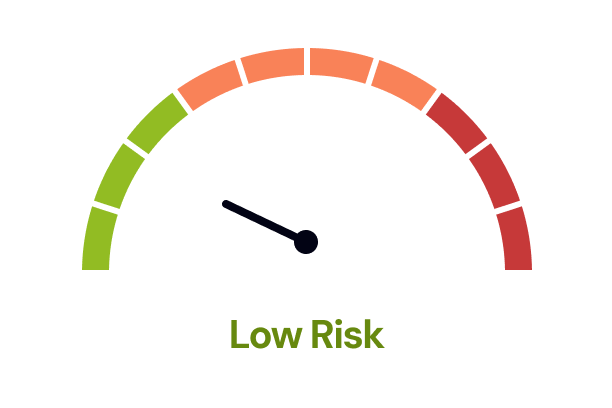
The Legal Risk Score of a Public Holiday Policy Template is Low
Our legal team have marked this document as low risk considering:
- There is a risk associated with the lack of clarity on how the company handles public holidays that coincide with other types of leave, such as unpaid parental leave or long service leave, which might lead to misunderstandings or disputes about entitlements.
- The document does not specify how much advance notice will be provided if an employee is required to work on a public holiday, which could result in personal inconveniences or scheduling conflicts for employees.
- The policy allows for the possibility to consider requests for leave on religious or cultural holidays that do not align with public holidays, but it is subject to operational requirements, potentially leaving such requests unfulfilled.
Meet Our Users
Articles about Public Holiday Policy

Is It Legal to Open My Business on Public Holidays?
Do you know whether your business can open on public holidays? Find out more about restricted trading hours here.

Changes From July 1: A Guide For Business Owners
The start of a new financial year brings a range of regulatory changes that business owners must be aware of.

Can Employees Be Forced to Take Christmas Leave?
The Christmas period means employers must ensure they direct their employees to take annual leave on a reasonable basis. Find out more here.
Shop Until You Drop On Boxing Day
After a successful two-year trial, the NSW state government announced it will legislate to allow Boxing Day trading to continue.

Annual Leave Obligations for Employers (With Calculator)
Everything you need to know about annual leave in Australia, from accrual rates to legal requirements and calculations

What is Long Service Leave in the Australian Capital Territory
Interested in taking some time off work? Here's what you need to know about long service leave in the Australian Capital Territory.

Full Time and Part Time Employees: The Difference
Learn the differences between full-time vs part-time employees in Australia. Understand contracts and compliance with the Fair Work Act, and get legal help when needed.
Federal Court Challenge Penalty Rate Cut
ACTU commence legal challenge regarding penalty rate cut.

What Paid Leave Are Full-Time Employees Entitled To?
Are you unaware of what types of paid leave a full-time employee is entitled to? Our article breaks down the law, and how it can affect you.
Looking for more documents?
Employment Agreement (Casual)
This Employment Agreement (Casual) is suitable for casual employees in any industry. This agreement is essential when hiring new casual employees for your business.
Contractor Agreement (Individual)
The Contractor Agreement (Individual) allows you to hire a contractor that is an individual (ie. not a company).
Shareholders Agreement
A Shareholders Agreement allows you to clarify the relationship between shareholders of your company.
Full Time Employment Agreement
This Full Time Employment Agreement covers everything you need when hiring a new full time employee. It is applicable to any industry in Australia.
Consultancy Agreement (Pro-Supplier)
A Consultancy Agreement (Pro-Supplier) can be used if you provide consultancy services or engage consultancy services from another entity. This version of the Consultancy Agreement is drafted in favour of the supplier, from a commercial and legal perspective.
Website Terms and Conditions of Use (Goods)
This Website Terms And Conditions of Use (Goods) outlines the rules people must follow when using your website. It includes protection for your IP, disclaimers to limit your liability and makes you compliant with Australian law.
Contractor Agreement (Company)
A Contractor Agreement (Company) allows you to engage a contractor that is a company.
Internship Agreement
An Internship Agreement is used when hiring an unpaid intern for your business.