
Performance and Misconduct Policy
This Poor Performance and Misconduct Policy can be used to ensure employees are aware of the expected standards of performance and behaviour at work, and the consequences of any failure to meet these standards. This Policy outlines the disciplinary process that may apply for poor performance or conduct issues based on their frequency and/or severity.
Last updated October 24, 2025
Suitable for Australia
Create & Customise Legal Templates Online
What is a performance and misconduct policy?
What is a performance and misconduct policy?
When should you use a performance and misconduct policy?
When should you use a performance and misconduct policy?
What should be in a performance and misconduct policy?
What should be in a performance and misconduct policy?
How to create a legal document
- check_circle
Access the Document Library
- check_circle
Select the template that matches your needs
- check_circle
Customise by adding or removing clauses with assistance from Lawpath AI
- check_circle
Personalise with your headers, footers, logos, or additional text
- check_circle
Store all documents securely in your account for easy access
Frequently asked questions
How does this policy help protect my business?
keyboard_arrow_upDoes the policy comply with Australian workplace laws?
keyboard_arrow_upCan the disciplinary process be adapted to different situations?
keyboard_arrow_upWhat are some examples of misconduct covered?
keyboard_arrow_upAre there any limitations to using this policy?
keyboard_arrow_upHow should this policy be communicated to employees?
keyboard_arrow_upWhat steps should I take after implementing the policy?
keyboard_arrow_upView Sample Performance and Misconduct Policy
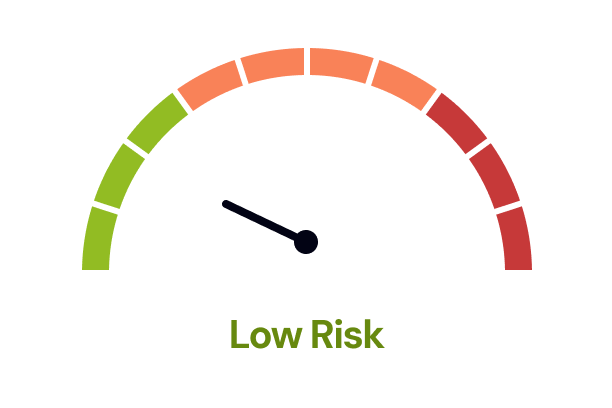
The Legal Risk Score of a Performance and Misconduct Policy Template is Low
Our legal team have marked this document as low risk considering:
- The document allows the Company to vary the disciplinary process based on the specific circumstances, which could lead to inconsistencies in how employees are treated.
- The categories of unsatisfactory conduct and serious misconduct are broadly defined, which might give the Company substantial discretion to determine what constitutes a breach, potentially leading to subjective interpretations.
- The lists of examples for unsatisfactory conduct and serious misconduct are not exhaustive, which may leave employees uncertain about what other behaviors could be grounds for disciplinary action.
Meet Our Users
Articles about Performance and Misconduct Policy

How to Distinguish Misconduct from Poor Performance
Poor performance and misconduct can both severely impact your business. Find out how to differentiate between them in this article.

Performance Management Plans: A Business Guide
Worried about employee performance and retention? Consider implementing a performance management plan. Check out our detailed guide.

How to Effectively Manage Underperformance
Learn about how you can deal with underperforming employees in your company.

What Is Performance Management?
Learn what performance management in workplace means and what a performance management policy in workplace should include.

Preventing Underperformance in the Workplace
Managing underperformance in the workplace can be a difficult task, however there are measures you can take to lower the risk of this happening.

5 Ways to Manage Insubordination at Work
Insubordinate staff can cause major problems for any business. This guide can help you to fairly and quickly deal with insubordination in the workplace.

A Guide to Managing Employee ‘No Shows’
Employee no shows can cause big problems for businesses. Learn how to manage unexplained absences effectively and legally here.

What Counts as Serious Misconduct in the Workplace?
Serious misconduct in the workplace can be difficult to manage and may result in termination. Find out here what behaviour amounts to serious misconduct.

How To Fire Someone
Learn the process you need to go through before you can fire an employee, under reasonable circumstances.
Looking for more documents?
Employment Agreement (Casual)
This Employment Agreement (Casual) is suitable for casual employees in any industry. This agreement is essential when hiring new casual employees for your business.
Contractor Agreement (Individual)
The Contractor Agreement (Individual) allows you to hire a contractor that is an individual (ie. not a company).
Shareholders Agreement
A Shareholders Agreement allows you to clarify the relationship between shareholders of your company.
Full Time Employment Agreement
This Full Time Employment Agreement covers everything you need when hiring a new full time employee. It is applicable to any industry in Australia.
Consultancy Agreement (Pro-Supplier)
A Consultancy Agreement (Pro-Supplier) can be used if you provide consultancy services or engage consultancy services from another entity. This version of the Consultancy Agreement is drafted in favour of the supplier, from a commercial and legal perspective.
Website Terms and Conditions of Use (Goods)
This Website Terms And Conditions of Use (Goods) outlines the rules people must follow when using your website. It includes protection for your IP, disclaimers to limit your liability and makes you compliant with Australian law.
Contractor Agreement (Company)
A Contractor Agreement (Company) allows you to engage a contractor that is a company.
Internship Agreement
An Internship Agreement is used when hiring an unpaid intern for your business.