
Grievance Policy
This Grievance Policy can be used to help your employees feel comfortable raising any workplace concerns. Using this Policy also protects your business by ensuring that you can manage any issues before they escalate or create a risk of claims or reputational damage.
Last updated October 24, 2025
Suitable for Australia
Create & Customise Legal Templates Online
What is a grievance policy?
What is a grievance policy?
When should you use a grievance policy?
When should you use a grievance policy?
What should be in a grievance policy?
What should be in a grievance policy?
How to create a legal document
- check_circle
Access the Document Library
- check_circle
Select the template that matches your needs
- check_circle
Customise by adding or removing clauses with assistance from Lawpath AI
- check_circle
Personalise with your headers, footers, logos, or additional text
- check_circle
Store all documents securely in your account for easy access
Frequently asked questions
Who should consider implementing this policy?
keyboard_arrow_upHow does this policy protect my business?
keyboard_arrow_upDoes the policy support both informal and formal complaints?
keyboard_arrow_upWhat are the key responsibilities for managers and supervisors?
keyboard_arrow_upAre there any limitations or risks with this policy?
keyboard_arrow_upWhat records need to be kept under this policy?
keyboard_arrow_upHow do employees know about the grievance process?
keyboard_arrow_upView Sample Grievance Policy
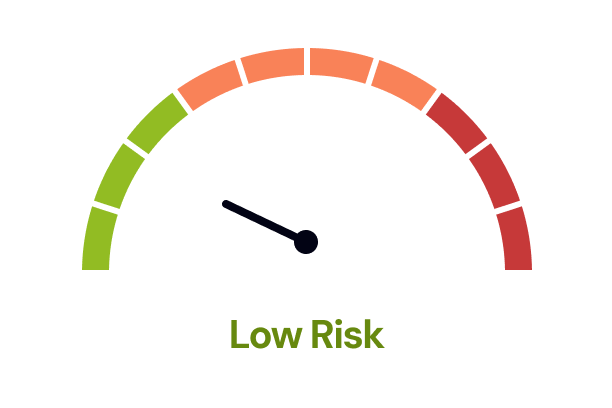
The Legal Risk Score of a Grievance Policy Template is Low
Our legal team have marked this document as low risk considering:
- There is a risk that the informal resolution process, which encourages resolution without documentation, may lead to disputes over what was agreed upon due to a lack of formal record-keeping.
- The policy allows for the extension of grievance resolution timeframes, which could lead to prolonged periods of uncertainty and stress for the parties involved.
- The document places significant responsibility on supervisors and managers to manage the grievance process effectively, which could lead to inconsistencies in handling grievances if these individuals are not adequately trained or unbiased.
Meet Our Users
Articles about Grievance Policy

How Should My Business Handle Customer Complaints?
Unfortunately, not all interactions with customers are good ones. Read this guide to understand how to handle customer complaints effectively.

How to Handle Anonymous Bad Reviews of Your Business
Anonymous bad reviews can be damaging to your business, particularly if they're difficult to verify. Find out here what you can do.

Everything About Dispute Resolution Clauses
Find out everything you need to know about dispute resolution clauses, how they affect the contracts you sign and your day to day business.

Tips for Avoiding Disputes With Your Customers
Disputes with your customers can be damaging to your business. Here's some ways you can help prevent them from occurring.

What Can I Do If I Have Been Defamed?
Do think someone may have defamed you? Read this article to understand how defamation works and what you can do about it.

How to Handle Unfair Dismissal Claims in Business
Has a former employee lodged a claim for unfair dismissal? Not sure what to do? This article will explain everything you need to know.

Australia's New Privacy Policy: How Does It Affect You?
Here's some insights into the key areas that your company policy needs to address as a direct result of developments in the law.

What to Do When You Receive a Concerns Notice
Received a concerns notice? Whether or not you've defamed someone, you need to decide how (or if) you're going to respond. Read about it in this article.

Workplace Policies: Why Small Businesses Need Them
Workplace policies do more than just set out rules for employees. They can bring structure and safety to your business. Read on here.
Looking for more documents?
Privacy Policy
A Privacy Policy outlines how your business will use, store and collect your customers' information. A Privacy Policy is required by law in certain circumstances.
Employment Agreement (Casual)
This Employment Agreement (Casual) is suitable for casual employees in any industry. This agreement is essential when hiring new casual employees for your business.
Contractor Agreement (Individual)
The Contractor Agreement (Individual) allows you to hire a contractor that is an individual (ie. not a company).
Shareholders Agreement
A Shareholders Agreement allows you to clarify the relationship between shareholders of your company.
Full Time Employment Agreement
This Full Time Employment Agreement covers everything you need when hiring a new full time employee. It is applicable to any industry in Australia.
Consultancy Agreement (Pro-Supplier)
A Consultancy Agreement (Pro-Supplier) can be used if you provide consultancy services or engage consultancy services from another entity. This version of the Consultancy Agreement is drafted in favour of the supplier, from a commercial and legal perspective.
Website Terms and Conditions of Use (Goods)
This Website Terms And Conditions of Use (Goods) outlines the rules people must follow when using your website. It includes protection for your IP, disclaimers to limit your liability and makes you compliant with Australian law.
Contractor Agreement (Company)
A Contractor Agreement (Company) allows you to engage a contractor that is a company.