
Expense Claim Policy
An Expense Claim Policy is an important part of your business’ HR and employment policies.
Last updated October 21, 2025
Suitable for Australia
Create & Customise Legal Templates Online
What is a expense claim policy?
What is a expense claim policy?
When should you use a expense claim policy?
When should you use a expense claim policy?
What should be in a expense claim policy?
What should be in a expense claim policy?
How to create a legal document
- check_circle
Access the Document Library
- check_circle
Select the template that matches your needs
- check_circle
Customise by adding or removing clauses with assistance from Lawpath AI
- check_circle
Personalise with your headers, footers, logos, or additional text
- check_circle
Store all documents securely in your account for easy access
Frequently asked questions
Who is this policy suitable for?
keyboard_arrow_upWhat expenses are typically covered or excluded?
keyboard_arrow_upWhat are the key requirements for making a claim?
keyboard_arrow_upHow does this policy protect my business?
keyboard_arrow_upAre there any limitations or risks with this policy?
keyboard_arrow_upWhat steps should employees take to ensure reimbursement?
keyboard_arrow_upHow quickly can this policy be implemented?
keyboard_arrow_upView Sample Expense Claim Policy
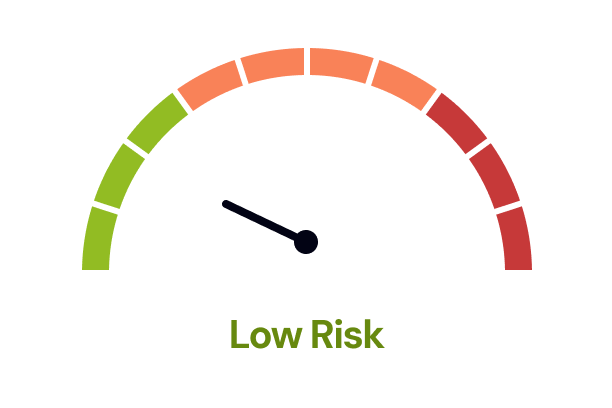
The Legal Risk Score of a Expense Claim Policy Template is Low
Our legal team have marked this document as low risk considering:
- The policy requires pre-approval from a manager or the CEO for certain expenses, which could delay or complicate reimbursement if timely approvals are not obtained.
- Employees must provide detailed documentation, including receipts and justification for expenses, which could be challenging if proper records are not maintained or if the documentation is lost.
- The policy specifies non-reimbursable expenses and requires bookings to be made through specific channels, which might limit flexibility and increase the personal financial burden if not adhered to.
This document imposes structured and detailed requirements on expense claims, which may reduce the risk of unauthorised or fraudulent claims but could also increase the administrative burden on employees. Compared to other policies, this document provides clear guidelines and expectations, which, if followed, can minimise misunderstandings and disputes over reimbursements, but it requires diligent record-keeping and adherence to specific procedures.
Meet Our Users
Articles about Expense Claim Policy

What Home Office Expenses Can You Claim on Tax?
Planning on claiming deductions for your home-based business? This guide will give you a brief overview of the different expenses you can claim.

Australia Tax Deductions Guide for Virtual Assistants
Looking to save more on taxes? Here’s how Australian virtual assistants can claim top deductions and keep more in their pocket.

5 Expenses You Didn’t Know Were Tax Deductible
Claiming tax deductible expenses is a stellar method for generating long term savings. Read this article to find out more.

Avoid Common Tax Deduction Mistakes in Australia
Rest easy this tax season, knowing you’ve not made any tax deduction mistakes on your claims. Read our guide for tips!

Can Legal Fees be listed as a Business Expense?
Filing your Tax Returns? Curious as to whether you can get legal fees exempted as a business expense? Read this article to find out more.
Tax Deduction Errors Small Businesses Should Avoid
Rest easy this tax season, knowing you’ve not made any tax deduction mistakes on your claims. Read our guide for tips!

2024 Instant Asset Write-Off for Small Businesses
Discover how the instant asset write-off scheme can help Australian small businesses reduce their tax burden by allowing immediate deductions on eligible assets. Learn about eligibility criteria, applicable thresholds, and practical steps for claiming deductions.

EOFY 2025: What You Can’t Claim on Tax
This article will dissect that you can and cannot claim in taxes this end of financial year 2025.
How to Claim the Small Business Technology Investment Boost
Discover how you can claim an additional 20% tax deduction on your technology expenditure, aimed to digitise your small business operations.
Looking for more documents?
Employment Agreement (Casual)
This Employment Agreement (Casual) is suitable for casual employees in any industry. This agreement is essential when hiring new casual employees for your business.
Contractor Agreement (Individual)
The Contractor Agreement (Individual) allows you to hire a contractor that is an individual (ie. not a company).
Shareholders Agreement
A Shareholders Agreement allows you to clarify the relationship between shareholders of your company.
Full Time Employment Agreement
This Full Time Employment Agreement covers everything you need when hiring a new full time employee. It is applicable to any industry in Australia.
Consultancy Agreement (Pro-Supplier)
A Consultancy Agreement (Pro-Supplier) can be used if you provide consultancy services or engage consultancy services from another entity. This version of the Consultancy Agreement is drafted in favour of the supplier, from a commercial and legal perspective.
Website Terms and Conditions of Use (Goods)
This Website Terms And Conditions of Use (Goods) outlines the rules people must follow when using your website. It includes protection for your IP, disclaimers to limit your liability and makes you compliant with Australian law.
Contractor Agreement (Company)
A Contractor Agreement (Company) allows you to engage a contractor that is a company.
Internship Agreement
An Internship Agreement is used when hiring an unpaid intern for your business.