
Equal Employment Opportunity Policy
This Equal Employment Opportunity Policy can be used to ensure that all employees are given equal access to training, promotion, appointment or any other employment related opportunity without consideration of factors other than their competency.
Last updated October 24, 2025
Suitable for Australia
Create & Customise Legal Templates Online
What is a equal employment opportunity policy?
What is a equal employment opportunity policy?
When should you use a equal employment opportunity policy?
When should you use a equal employment opportunity policy?
What should be in a equal employment opportunity policy?
What should be in a equal employment opportunity policy?
How to create a legal document
- check_circle
Access the Document Library
- check_circle
Select the template that matches your needs
- check_circle
Customise by adding or removing clauses with assistance from Lawpath AI
- check_circle
Personalise with your headers, footers, logos, or additional text
- check_circle
Store all documents securely in your account for easy access
Frequently asked questions
Who can use this policy template?
keyboard_arrow_upWhat protections does this policy provide?
keyboard_arrow_upDoes this policy comply with Australian law?
keyboard_arrow_upIs the policy legally binding on employees?
keyboard_arrow_upHow should this policy be implemented in my workplace?
keyboard_arrow_upWhat are the limitations of this policy?
keyboard_arrow_upHow often should the policy be reviewed?
keyboard_arrow_upView Sample Equal Employment Opportunity Policy
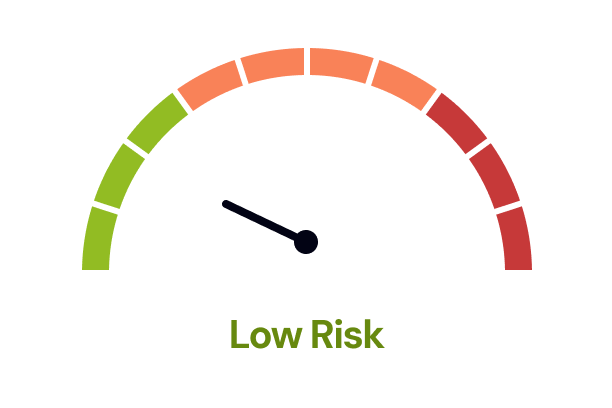
The Legal Risk Score of a Equal Employment Opportunity Policy Template is Low
Our legal team have marked this document as low risk considering:
- The document mandates strict compliance with its anti-discrimination and anti-harassment policies, potentially leading to severe disciplinary actions including termination, which could result in a high-stakes environment for employees and contractors.
- The policy does not form part of the employment contract, which might lead to misunderstandings about the enforceability of its provisions among the workers.
- The process for handling grievances is outlined but could be perceived as overly reliant on internal resolution methods, which may deter some individuals from reporting incidents if they fear bias or inadequate investigation.
Meet Our Users
Articles about Equal Employment Opportunity Policy

What Is Equal Employment Opportunity?
Do you know what Equal Employment Opportunity (EEO) is? Read this article to find out what it means and when it applies.

5 Ways to Ensure a Non-Discriminatory Hiring Process
How to have a fair hiring process and be an equal opportunity employer

5 Tips to Promote Fairness in Your Business
Promoting fairness in your business is pivotal in achieving a good workplace environment. Find out how you can make your workplace more fair and equitable.

How to Comply With Anti-Discrimination Laws
From age to disability, there are a number of considerations to know as an employer. Which anti-discrimination laws apply to you?

Your Guide to Hiring Someone with a Disability
Australia's workforce has generally avoided the process of hiring someone with a disability. However, there are many business and community benefits involved.

How to Tackle Workplace Harassment
Workplace harassment is more common than many people realise. Find out how you can manage and prevent it in this guide.

What Is An Equal Remuneration Order?
An equal remuneration order can be made by the Fair Work Commission (FWC) where an employee is being paid less because of their gender. Read more here.

Is Hiring Based on Culture-fit Discriminatory?
'Culture fit' is an ambiguous part of hiring and may be discriminatory. Learn how to ensure your recruitment process is legally sound here.

What Can Employers Ask in Job Interviews?
Unsure which questions your current or future employer can ask you? Our article breaks down what they can ask, and when they're allowed to ask it.
Looking for more documents?
Employment Agreement (Casual)
This Employment Agreement (Casual) is suitable for casual employees in any industry. This agreement is essential when hiring new casual employees for your business.
Contractor Agreement (Individual)
The Contractor Agreement (Individual) allows you to hire a contractor that is an individual (ie. not a company).
Shareholders Agreement
A Shareholders Agreement allows you to clarify the relationship between shareholders of your company.
Full Time Employment Agreement
This Full Time Employment Agreement covers everything you need when hiring a new full time employee. It is applicable to any industry in Australia.
Consultancy Agreement (Pro-Supplier)
A Consultancy Agreement (Pro-Supplier) can be used if you provide consultancy services or engage consultancy services from another entity. This version of the Consultancy Agreement is drafted in favour of the supplier, from a commercial and legal perspective.
Website Terms and Conditions of Use (Goods)
This Website Terms And Conditions of Use (Goods) outlines the rules people must follow when using your website. It includes protection for your IP, disclaimers to limit your liability and makes you compliant with Australian law.
Contractor Agreement (Company)
A Contractor Agreement (Company) allows you to engage a contractor that is a company.
Internship Agreement
An Internship Agreement is used when hiring an unpaid intern for your business.