
Bring Your Own Device (BYOD) Policy
This BYOD policy explains that your employees are allowed to use their personal smartphones, laptops and/or tablets for work.
Last updated January 13, 2025
Suitable for Australia
Create & Customise Legal Templates Online
What is a bring your own device (byod) policy?
What is a bring your own device (byod) policy?
When should you use a bring your own device (byod) policy?
When should you use a bring your own device (byod) policy?
What should be in a bring your own device (byod) policy?
What should be in a bring your own device (byod) policy?
How to create a legal document
- check_circle
Access the Document Library
- check_circle
Select the template that matches your needs
- check_circle
Customise by adding or removing clauses with assistance from Lawpath AI
- check_circle
Personalise with your headers, footers, logos, or additional text
- check_circle
Store all documents securely in your account for easy access
Frequently asked questions
What risks does allowing personal devices at work create?
keyboard_arrow_upDoes this policy specify which devices are allowed?
keyboard_arrow_upHow does the policy protect business information?
keyboard_arrow_upAre employees reimbursed for using their own devices?
keyboard_arrow_upWhat are the limitations of IT support for personal devices?
keyboard_arrow_upWhat steps should I take after implementing this policy?
keyboard_arrow_upIs this policy suitable for all Australian businesses?
keyboard_arrow_upView Sample Bring Your Own Device (BYOD) Policy
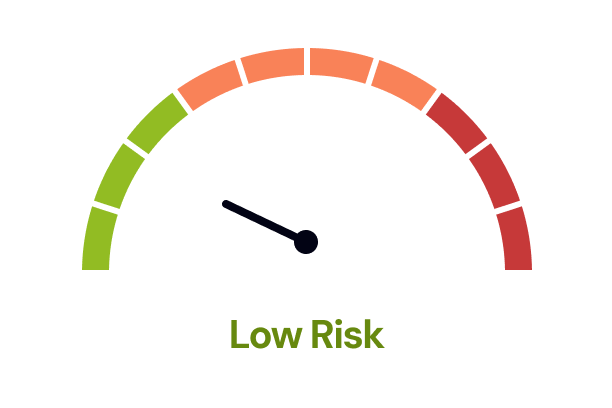
The Legal Risk Score of a Bring Your Own Device (BYOD) Policy Template is Low
Our legal team have marked this document as low risk considering:
- There is a risk that personal devices might lead to the exposure of confidential company information or loss of data due to inadequate security measures or device mishandling.
- The policy limits IT support for personal devices, which could leave employees without necessary technical assistance, possibly affecting their productivity and device performance.
Meet Our Users
Articles about Bring Your Own Device (BYOD) Policy

What Should My Business's IT Policy Include?
As technology becomes increasingly critical to most business functions, so does the necessity of a strong IT policy. Here's what to include and why.

Acceptable Use Policies: An Explainer
Acceptable Use Policies outline what is and is not acceptable in the workplace. Find out more in this article.

What Is A Work From Home Policy?
This article explores everything you need to know about how to create a work from home policy.

Workplace Policies: Why Small Businesses Need Them
Workplace policies do more than just set out rules for employees. They can bring structure and safety to your business. Read on here.

How to Onboard a New Employee Remotely
Trying to onboard an employee remotely? Not sure where to start? This article will cover the ins and outs of the entire process.

The Lawpath Blog
Stay up to date with legal concepts, tactics and strategies for your business

How to Make Your Online Business Cybersafe
Running a business online provides vast opportunity, but also carries risk. Find out how to make your business cybersafe here.

Common IT Policies For Small Businesses in 2021 (+ Templates)
Wondering which IT policies your business needs? We've done the hard-work by providing you with the most common IT policies. Read along.

Tips for Running Your Business From Home in 2019
Read for some helpful tips for running your business from home in 2019.
Looking for more documents?
Employment Agreement (Casual)
This Employment Agreement (Casual) is suitable for casual employees in any industry. This agreement is essential when hiring new casual employees for your business.
Contractor Agreement (Individual)
The Contractor Agreement (Individual) allows you to hire a contractor that is an individual (ie. not a company).
Shareholders Agreement
A Shareholders Agreement allows you to clarify the relationship between shareholders of your company.
Full Time Employment Agreement
This Full Time Employment Agreement covers everything you need when hiring a new full time employee. It is applicable to any industry in Australia.
Consultancy Agreement (Pro-Supplier)
A Consultancy Agreement (Pro-Supplier) can be used if you provide consultancy services or engage consultancy services from another entity. This version of the Consultancy Agreement is drafted in favour of the supplier, from a commercial and legal perspective.
Website Terms and Conditions of Use (Goods)
This Website Terms And Conditions of Use (Goods) outlines the rules people must follow when using your website. It includes protection for your IP, disclaimers to limit your liability and makes you compliant with Australian law.
Contractor Agreement (Company)
A Contractor Agreement (Company) allows you to engage a contractor that is a company.
Internship Agreement
An Internship Agreement is used when hiring an unpaid intern for your business.