
Right to Disconnect Policy
This Policy can be used to clarify employees' right to disconnect from work-related communications outside of working hours.
Last updated August 12, 2025
Suitable for Australia
Create & Customise Legal Templates Online
What is a right to disconnect policy?
What is a right to disconnect policy?
When should you use a right to disconnect policy?
When should you use a right to disconnect policy?
What should be in a right to disconnect policy?
What should be in a right to disconnect policy?
How to create a legal document
- check_circle
Access the Document Library
- check_circle
Select the template that matches your needs
- check_circle
Customise by adding or removing clauses with assistance from Lawpath AI
- check_circle
Personalise with your headers, footers, logos, or additional text
- check_circle
Store all documents securely in your account for easy access
Frequently asked questions
Who does this policy apply to within an organisation?
keyboard_arrow_upWhat protections does the policy provide for employees?
keyboard_arrow_upAre there any exceptions to the right to disconnect?
keyboard_arrow_upHow should employers communicate this policy to staff?
keyboard_arrow_upWhat happens if an employer breaches this policy?
keyboard_arrow_upHow does this policy interact with enterprise agreements?
keyboard_arrow_upWhat are the main risks or limitations of this policy?
keyboard_arrow_upView Sample Right to Disconnect Policy
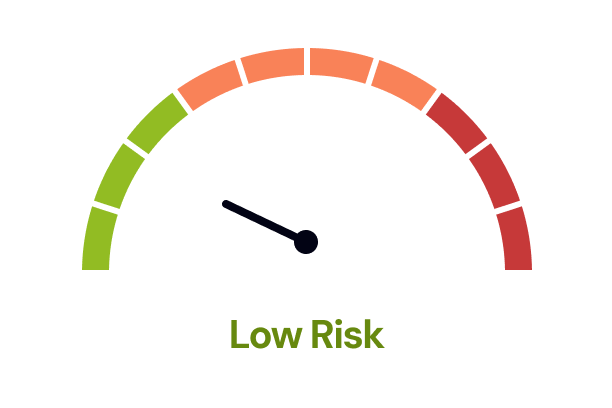
The Legal Risk Score of a Right to Disconnect Policy Template is Low
Our legal team have marked this document as low risk considering:
- There is a risk that the boundaries of "normal working hours" and "urgent deadlines" may be subjectively interpreted by different employees and managers, potentially leading to inconsistencies in the application of the policy.
- The policy relies on employees to report breaches by managers or team leads, which could lead to underreporting if employees feel intimidated or fear retaliation despite assurances to the contrary.
- The document does not specify the contact point or process for employees to voice concerns or report breaches effectively, which could hinder the resolution of issues related to the policy.
Meet Our Users
Articles about Right to Disconnect Policy

What Is A Work From Home Policy?
This article explores everything you need to know about how to create a work from home policy.

Why you should have a Social Media Policy (2025 Update)
An article that gives an outline of how a social media policy can benefit you.

Do You Have to Offer Flexible Working?
Not sure what your obligations are when it comes to flexible working arrangements? Read this article to find out what the legal requirements are.

Expanding Overseas? Ensure Website Compliance
There's legal issues to consider when you take your business overseas. Here we discuss what to do for your website when expanding overseas.

My Employee Stopped Coming to Work, What do I do?
Has your employee stopped coming to work? Learn more about how to deal with absent employees and your rights and responsibilities.

COVID-19 Employee Work Arrangements Guide 2021
Find the answers to commonly asked questions surrounding current employee working arrangements available to employers due to coronavirus.

Mental Health Day Off: Can Employees Take It?
Are you planning to incorporate a mental health day off in your employment policy? Read about it in our latest post.

Can Employers Read Employees’ Private Work Messages?
Employers can legally read an employee's private work messages, but only under some circumstances. Find out more in this article.
Is It Legal to Delete Work Emails?
Work emails are the property of the employer. Find out in this article whether you can legally delete work emails.
Looking for more documents?
Privacy Policy
A Privacy Policy outlines how your business will use, store and collect your customers' information. A Privacy Policy is required by law in certain circumstances.
Loan Agreement
This Loan Agreement can be used by lender when offering a loan to a Borrower.
Non-Disclosure Agreement (Mutual)
A Non-Disclosure Agreement (Mutual) allows you and another party to share confidential information while legally forbidding either party from disclosing that information to any other person or entity.
Non-Disclosure Agreement (One Way)
A Non-Disclosure Agreement (One Way) allows you and another party to share confidential information while legally forbidding the other party from disclosing that information to any other person or entity.
Employment Agreement (Casual)
This Employment Agreement (Casual) is suitable for casual employees in any industry. This agreement is essential when hiring new casual employees for your business.
Business Sale Agreement
A Business Sale Agreement is used to clearly set out all relevant terms of the sale when selling or buying a business.
Contractor Agreement (Individual)
The Contractor Agreement (Individual) allows you to hire a contractor that is an individual (ie. not a company).
Shareholders Agreement
A Shareholders Agreement allows you to clarify the relationship between shareholders of your company.