
Mobile App Terms and Conditions of Use (Goods)
A Mobile App Terms and Conditions of Use (Goods) outlines the Terms and Conditions of Use for a mobile application.
Last updated October 23, 2025
Suitable for Australia
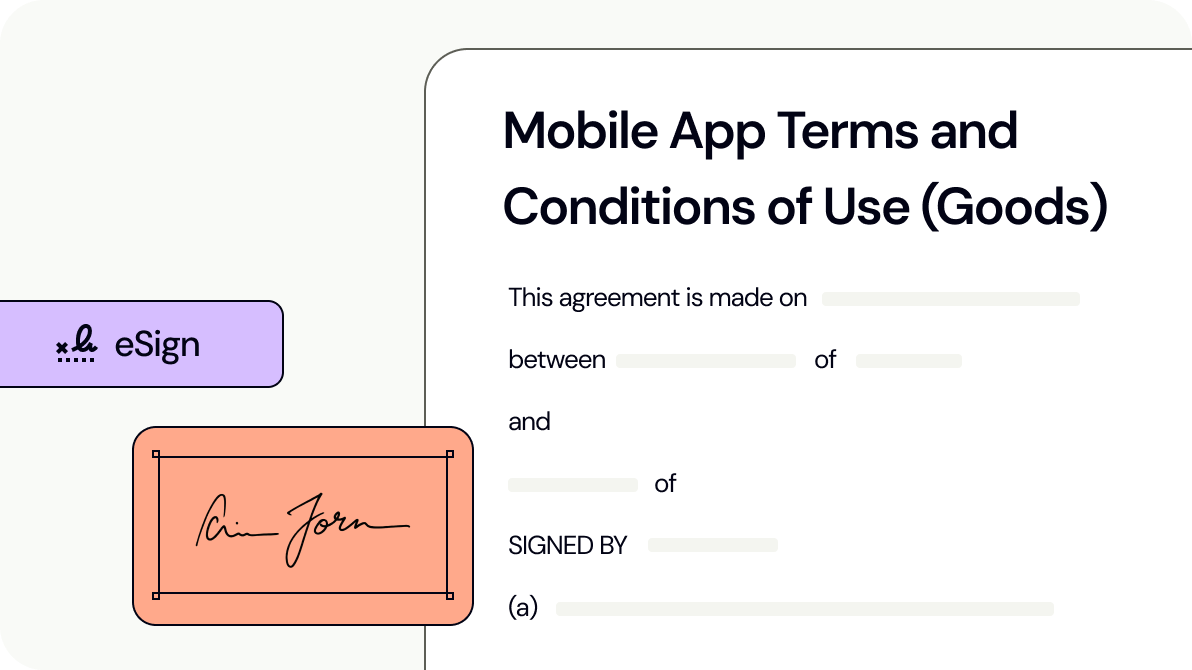
Create & Customise Legal Templates Online
What is a mobile app terms and conditions of use (goods)?
What is a mobile app terms and conditions of use (goods)?
When should you use a mobile app terms and conditions of use (goods)?
When should you use a mobile app terms and conditions of use (goods)?
What should be in a mobile app terms and conditions of use (goods)?
What should be in a mobile app terms and conditions of use (goods)?
How to create a legal document
- check_circle
Access the Document Library
- check_circle
Select the template that matches your needs
- check_circle
Customise by adding or removing clauses with assistance from Lawpath AI
- check_circle
Personalise with your headers, footers, logos, or additional text
- check_circle
Store all documents securely in your account for easy access
Frequently asked questions
How does this document protect my app and business?
keyboard_arrow_upWhat limitations does this document place on users?
keyboard_arrow_upDoes this document cover privacy requirements?
keyboard_arrow_upIs this document suitable for all Australian states and territories?
keyboard_arrow_upWhat are the risks of using this document?
keyboard_arrow_upHow can I make these terms legally binding for my app users?
keyboard_arrow_upDo I need to update these terms regularly?
keyboard_arrow_upView Sample Mobile App Terms and Conditions of Use (Goods)
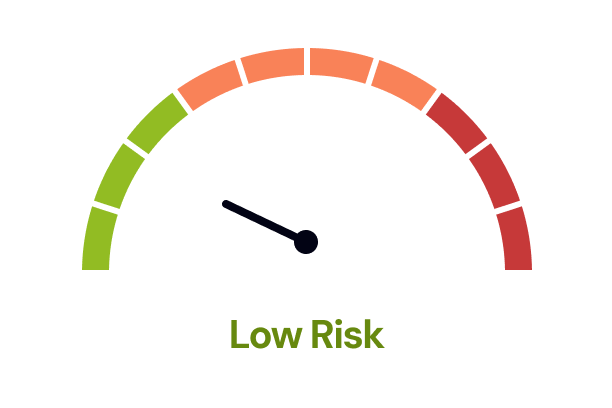
The Legal Risk Score of a Mobile App Terms and Conditions of Use (Goods) Template is Low
Our legal team have marked this document as low risk considering:
- Users may find themselves bound by changes to the terms and conditions without prior agreement, as the operator reserves the right to modify terms at any time and only promises to attempt to notify users of these changes.
- There is a limitation on the user's ability to claim for indirect or consequential losses, which might not fully compensate the user for all potential damages experienced due to issues with the purchase services or products.
- The document specifies that any legal disputes must be handled exclusively in the courts of a specific location, potentially disadvantaging users who are based in other regions or countries due to travel and legal representation costs.
Overall, this document places a significant amount of control in the hands of the operator, including the ability to change terms and limit liabilities, which could present higher risks for users compared to more balanced agreements. Users familiar with such documents might understand the typical risks involved but should consider whether the specific limitations and obligations outlined align with their personal or business risk tolerance.
Meet Our Users
Articles about Mobile App Terms and Conditions of Use (Goods)
Website vs App Terms & Conditions: Can You Use Both?
Ts&Cs protect not only you but also your customers online. Find out in this guide whether you'll need to tailor them to your website and app.
How to Create a Mobile App Privacy Policy
Learn about a possible website privacy policy for you and how it could be everything you've ever wanted.

What Legal Documents Do I Need to Create an App?
Creating or launching an app? Find out what legal documents you need to create an app.

Difference Between Terms & Conditions and Terms of Use
Terms and Conditions and Terms of Use often overlap with each other, but they are not the same. In this article we explain what the difference is.

How to Create Website Terms and Conditions (2025 Update)
Every business should have terms and conditions on their website. Find out what they do and how you can create them in this article.

Terms of Service vs Terms & Conditions: Differences
Terms Of Service and Terms and Conditions are an integral part of the online business world, and are a legal requirement for websites. Read about them here.

Do I Need Website Terms and Conditions?
Not sure if you need to have Ts&Cs for your business's website? Read this article to find out when your business will need to have one in place.
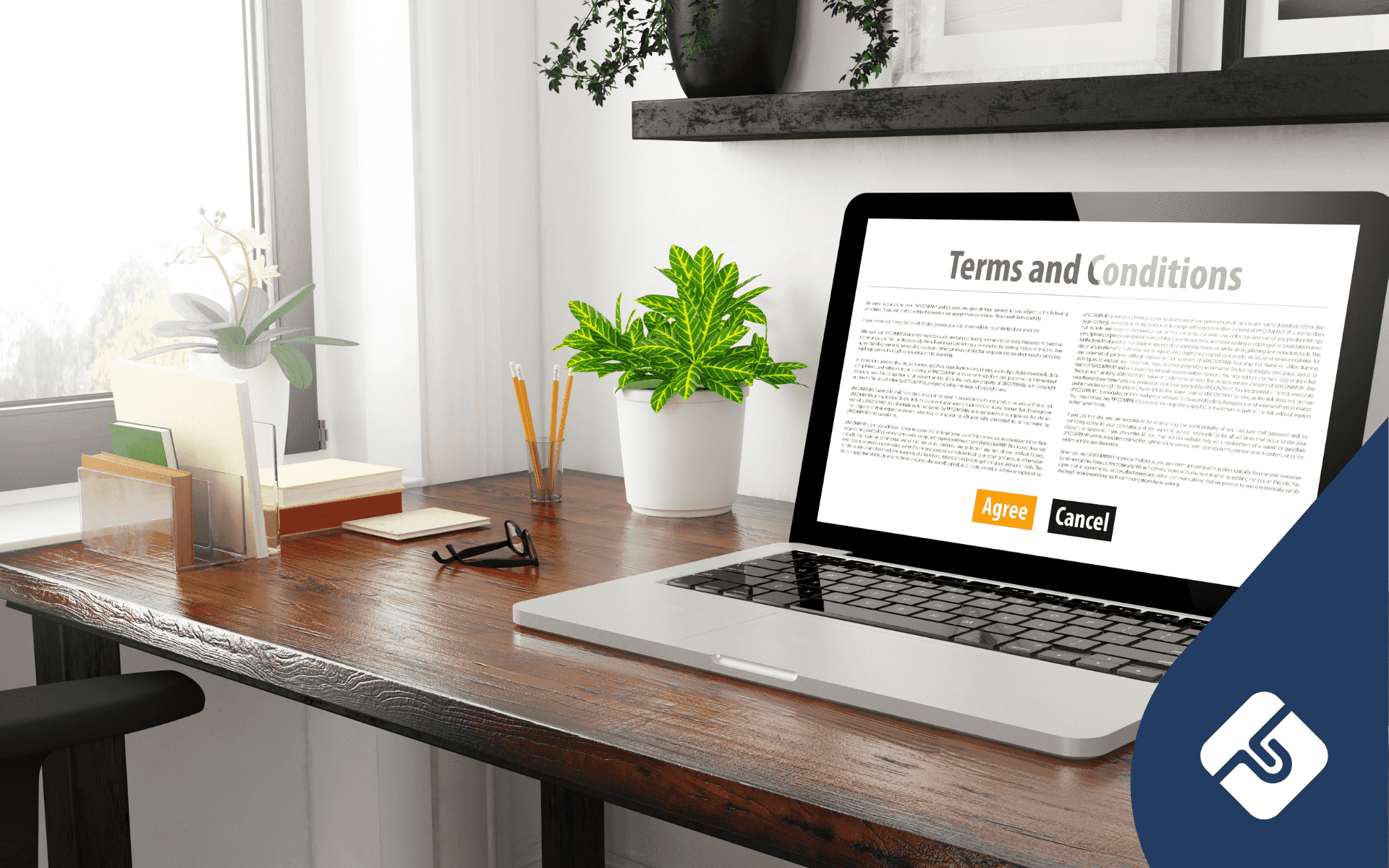
5 Key Website Terms and Conditions to Include
Unsure what key terms and conditions to include in your contract? Read on to learn about the essential terms that should be on your website.

Why Need A Terms & Conditions Of Use? A Lululemon Lesson
Women’s activewear giant Lululemon paid penalties of $32,400 after the ACCC issued three infringement notices.
Looking for more documents?
Privacy Policy
A Privacy Policy outlines how your business will use, store and collect your customers' information. A Privacy Policy is required by law in certain circumstances.
Website Terms and Conditions of Use (Services)
This Website Terms and Conditions of Use (Services) document is specifically tailored for websites selling services.
Website Disclaimer (General)
A Website Disclaimer (General) provides notice to the visitor of the website and is used to limit liability for legal issues that may arise when a user visits the website.
Confidentiality Agreement (Mutual)
This Confidentiality Agreement (Mutual) allows you and another party to share confidential information while legally forbidding the other party from disclosing that information to any other person or entity.
GDPR Privacy Policy
This Privacy Policy variation is created specifically for websites to abide by the General Data Protection Regulation (GDPR) framework from the European Union (EU).
Website Terms and Conditions of Use (Goods)
This Website Terms And Conditions of Use (Goods) outlines the rules people must follow when using your website. It includes protection for your IP, disclaimers to limit your liability and makes you compliant with Australian law.
Licensing Agreement (IP)
A Licensing Agreement (IP) is a legal document that enables a company to grant the use of its intellectual property to another business.
Information Security Policy
An Information Security Policy outlines the management of information within your business.