
Full Time Employment Agreement
This Full Time Employment Agreement covers everything you need when hiring a new full time employee. It is applicable to any industry in Australia.
Last updated February 25, 2025
Suitable for Australia
Create & Customise Legal Templates Online
What is a full time employment agreement?
What is a full time employment agreement?
A full time employment agreement is a written contract outlining the terms, expectations, and responsibilities between an employer and a full time employee. It helps define the employment relationship and protect both parties’ rights.
Who is a full time employment agreement suitable for?
Who is a full time employment agreement suitable for?
This full time employment agreement suits any employer hiring a permanent, full time employee in Australia, in any industry or state.
It sets out the standard terms most full time roles need, salary, hours, duties and leave, and works for office-based, remote or hybrid positions. If you're hiring someone casually or on a fixed contract instead, a different Lawpath template covers those arrangements more accurately.
Is a full time employment agreement legally binding?
Is a full time employment agreement legally binding?
Yes, once both the employer and employee sign it with a genuine intention to be bound.
A full time employment agreement can't offer less than the National Employment Standards or an applicable award, so any term trying to undercut those minimums simply won't be enforceable, even if both parties signed it.
Beyond those minimums, the agreed terms are binding on both sides.
How to create a legal document
- check_circle
Access the Document Library
- check_circle
Select the template that matches your needs
- check_circle
Customise by adding or removing clauses with assistance from Lawpath AI
- check_circle
Personalise with your headers, footers, logos, or additional text
- check_circle
Store all documents securely in your account for easy access
Frequently asked questions
What key protections does a full time employment agreement provide?
keyboard_arrow_upDoes a full time employment agreement need to meet the National Employment Standards or an award?
keyboard_arrow_upDoes a full time employment agreement cover remote working arrangements?
keyboard_arrow_upWhat's the difference between a full time employment agreement and a casual or contractor agreement?
keyboard_arrow_upWhat are the limitations or risks of a full time employment agreement?
keyboard_arrow_upCan my employer change my full time employment agreement after I've signed it?
keyboard_arrow_upWhat notice period applies if I end a full time employment agreement?
keyboard_arrow_upWhat's the most common mistake employers make with a full time employment agreement?
keyboard_arrow_upIs a full time employment agreement valid in all Australian states and territories?
keyboard_arrow_upWhat if I need more detailed terms or extra clauses in a full time employment agreement?
keyboard_arrow_upHow quickly can I complete and use a full time employment agreement?
keyboard_arrow_upHow much does it cost to get a full time employment agreement, template versus a lawyer?
keyboard_arrow_upView Sample Full Time Employment Agreement
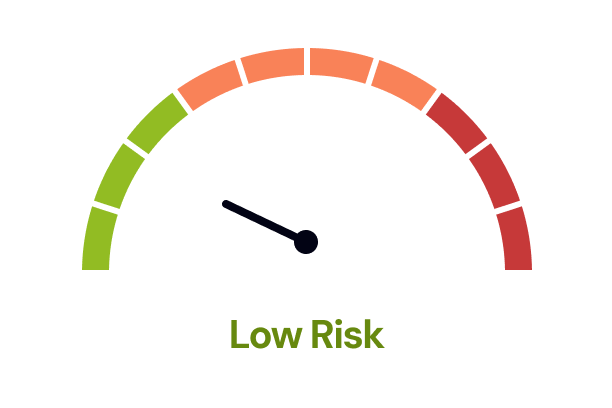
The Legal Risk Score of a Full Time Employment Agreement Template is Low
Our legal team have marked this document as low risk considering:
- The document allows the employer to unilaterally change the nature of the employee's role, duties, and reporting lines, which could lead to unexpected job responsibilities or a shift in career trajectory.
- The document specifies that the employer's policies are binding but clarifies that these policies do not form part of the employment contract, which might lead to confusion or misunderstandings about the enforceability of such policies.
- The confidentiality clause restricts the employee from sharing any confidential information without prior written consent, potentially limiting the employee's future employment opportunities or professional discussions.
Meet Our Users
Articles about Full Time Employment Agreement

Full Time and Part Time Employees: The Difference
Learn the differences between full-time vs part-time employees in Australia. Understand contracts and compliance with the Fair Work Act, and get legal help when needed.

Can Full-Time Employees Get Paid Overtime?
Are full-time employees entitled to penalty rates for performing work outside their ordinary hours of work? Read this guide to find out.

A Guide to Individual Flexibility Arrangements
What are individual flexibility arrangements? Why are they important? Find out here what the legal requirements are for your workplace.

4 Things to Know Before Preparing an Employment Agreement
An Employment Agreement sets out the terms and conditions of employment. Here's 4 important things to know about using them.

What is the difference between Casual vs Full-time Employment?
How does casual employment differ from full-time employment? We break down the differences for you in this post.

10 Questions to Ask Your Lawyer Before EOFY 2023
As the financial year wraps up, it’s the perfect opportunity to step out of the day-to-day grind and set your business up for future success.

What Paid Leave Are Full-Time Employees Entitled To?
Are you unaware of what types of paid leave a full-time employee is entitled to? Our article breaks down the law, and how it can affect you.

What are Set-Off Clauses in Employment Contracts?
Set-off clauses in employment contracts can be exceptional tools for any employer. Find out what they are and how to use them right here.

Is It Illegal If I Do Not Pay My Staff Sick Leave?
Paying staff sick leave that employees are entitled to is extremely important. Read about the different factors that determine these responsibilities here.
Looking for more documents?
Privacy Policy
A Privacy Policy outlines how your business will use, store and collect your customers' information. A Privacy Policy is required by law in certain circumstances.
Loan Agreement
This Loan Agreement can be used by lender when offering a loan to a Borrower.
Non-Disclosure Agreement (Mutual)
A Non-Disclosure Agreement (Mutual) allows you and another party to share confidential information while legally forbidding either party from disclosing that information to any other person or entity.
Non-Disclosure Agreement (One Way)
A Non-Disclosure Agreement (One Way) allows you and another party to share confidential information while legally forbidding the other party from disclosing that information to any other person or entity.
Employment Agreement (Casual)
This Employment Agreement (Casual) is suitable for casual employees in any industry. This agreement is essential when hiring new casual employees for your business.
Business Sale Agreement
A Business Sale Agreement is used to clearly set out all relevant terms of the sale when selling or buying a business.
Contractor Agreement (Individual)
The Contractor Agreement (Individual) allows you to hire a contractor that is an individual (ie. not a company).
Shareholders Agreement
A Shareholders Agreement allows you to clarify the relationship between shareholders of your company.