
Working from Home Policy
This Working from Home Policy creates a process for working from home requests and the key expectations for any employees working from home. This policy also helps protect your company and employees by establishing key work health and safety, data security and availability requirements for anyone working from home.
Last updated November 22, 2024
Suitable for Australia
Create & Customise Legal Templates Online
What is a working from home policy?
What is a working from home policy?
When should you use a working from home policy?
When should you use a working from home policy?
What should be in a working from home policy?
What should be in a working from home policy?
How to create a legal document
- check_circle
Access the Document Library
- check_circle
Select the template that matches your needs
- check_circle
Customise by adding or removing clauses with assistance from Lawpath AI
- check_circle
Personalise with your headers, footers, logos, or additional text
- check_circle
Store all documents securely in your account for easy access
Frequently asked questions
How does this policy protect my business?
keyboard_arrow_upDoes the policy cover work health and safety obligations?
keyboard_arrow_upCan I revoke or change an employee’s work from home arrangement?
keyboard_arrow_upHow does the policy address data security?
keyboard_arrow_upWhat happens if an employee leaves the company?
keyboard_arrow_upDoes this policy apply across all Australian states and territories?
keyboard_arrow_upWhat are the main limitations of this policy?
keyboard_arrow_upView Sample Working from Home Policy
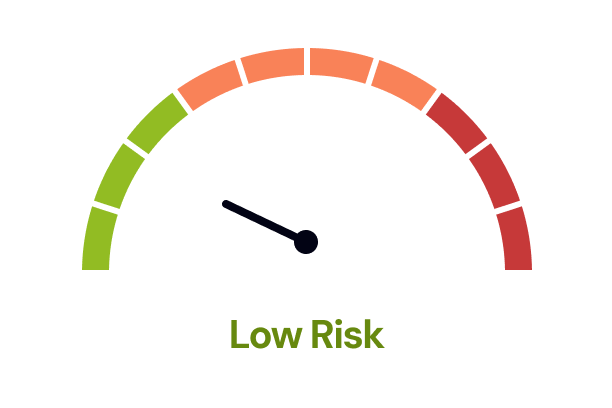
The Legal Risk Score of a Working from Home Policy Template is Low
Outlining Discretion
It is important to understand that working from home is not an entitlement or contractual right. It is important to include a clause which gives the employer absolute discretion in allowing employees to work from home to avoid potential legal challenges. It is recommended to provide clearer guidelines and criteria for approving work-from-home arrangements, ensuring fairness, transparency, and consistency in decision-making.
Outlining Safety
Employers have an obligation to ensure employees are safe when working from home and are completing their tasks in a safe environment. In response, working from home policies should outline that there may be a requirement to prove the safety and suitability of the home workspace.
Ramifications of Non-Compliance
When drafting working from home policies, it is important to ensure that the criteria for withdrawal or change are clearly defined, and that employees are given a fair opportunity to address any issues before the arrangement is terminated. These policies need to clearly state the repercussions that may arise if employees are not compliant.
Using Lawpath’s Working From Home Policy template grants you the comfort of ensuring full compliance and the minimisation of legal risk.
Meet Our Users
Articles about Working from Home Policy

What Is A Work From Home Policy?
This article explores everything you need to know about how to create a work from home policy.

Tips for Running Your Business From Home in 2019
Read for some helpful tips for running your business from home in 2019.

Remote Working: How to Introduce it to Your Business
Many businesses may have to introduce remote working arrangements to curb the spread of COVID-19 (Coronavirus). Find out how to here.

Managing Staff Working From Home: Employer Duties
Working from home has suddenly become the norm for many Australians. Find out what your rights are and what responsibilities your employer has.

COVID-19 Remote Work Considerations 2021
Depending on the state or territory, employees may be required to work from home. Find out more about remote work considerations.

COVID-19 Remote Work Considerations Guide 2021 (NSW)
Case numbers in NSW are growing and you may be researching on remote work considerations. Read about the most commonly asked questions.

Working From Home vs Remote Work: Key Differences
Traditional workspaces are having to adapt to remote models. Find out more about working from home versus working remotely here.

Home-Based Business: 5 Things to Know Before Starting
Running a business from home gives you flexibility whilst also lowering your costs. Click here to find out how to start a business from home.

How to Onboard a New Employee Remotely
Trying to onboard an employee remotely? Not sure where to start? This article will cover the ins and outs of the entire process.
Looking for more documents?
Privacy Policy
A Privacy Policy outlines how your business will use, store and collect your customers' information. A Privacy Policy is required by law in certain circumstances.
Loan Agreement
This Loan Agreement can be used by lender when offering a loan to a Borrower.
Non-Disclosure Agreement (Mutual)
A Non-Disclosure Agreement (Mutual) allows you and another party to share confidential information while legally forbidding either party from disclosing that information to any other person or entity.
Non-Disclosure Agreement (One Way)
A Non-Disclosure Agreement (One Way) allows you and another party to share confidential information while legally forbidding the other party from disclosing that information to any other person or entity.
Employment Agreement (Casual)
This Employment Agreement (Casual) is suitable for casual employees in any industry. This agreement is essential when hiring new casual employees for your business.
Business Sale Agreement
A Business Sale Agreement is used to clearly set out all relevant terms of the sale when selling or buying a business.
Contractor Agreement (Individual)
The Contractor Agreement (Individual) allows you to hire a contractor that is an individual (ie. not a company).
Shareholders Agreement
A Shareholders Agreement allows you to clarify the relationship between shareholders of your company.