
Teaming Agreement
A Teaming Agreement can be used where two businesses agree to cooperate in submitting a proposal to a customer which has issued a request for tender.
Last updated October 23, 2025
Suitable for Australia
Create & Customise Legal Templates Online
What is a teaming agreement?
What is a teaming agreement?
When should you use a teaming agreement?
When should you use a teaming agreement?
What should be in a teaming agreement?
What should be in a teaming agreement?
How to create a legal document
- check_circle
Access the Document Library
- check_circle
Select the template that matches your needs
- check_circle
Customise by adding or removing clauses with assistance from Lawpath AI
- check_circle
Personalise with your headers, footers, logos, or additional text
- check_circle
Store all documents securely in your account for easy access
Frequently asked questions
Who is this document suitable for?
keyboard_arrow_upDoes this agreement cover exclusivity?
keyboard_arrow_upWhat are the main protections for each party?
keyboard_arrow_upAre there any limitations or risks with this agreement?
keyboard_arrow_upCan this agreement be used for ongoing collaborations?
keyboard_arrow_upIs this document valid across all Australian states and territories?
keyboard_arrow_upWhat should I do after completing the agreement?
keyboard_arrow_upView Sample Teaming Agreement
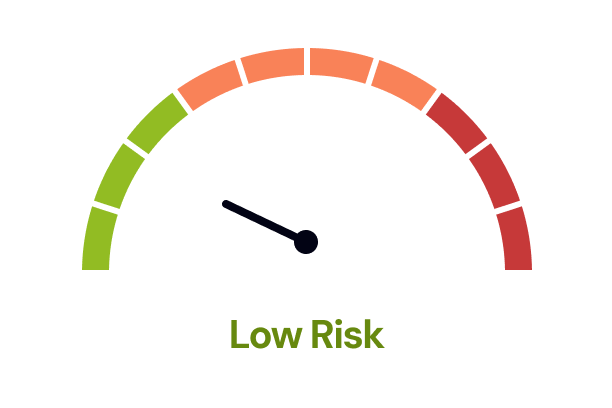
The Legal Risk Score of a Teaming Agreement Template is Low
Our legal team have marked this document as low risk considering:
- The agreement involves sharing and potentially modifying proprietary products, which could lead to disagreements or claims regarding ownership and usage rights, especially if the collaboration does not result in a clear outcome or benefit.
- The document outlines a cooperative framework between two parties, but without clear management roles or decision-making processes, this could lead to inefficiencies or conflicts during the project, especially under stress or tight deadlines.
- The continuation and success of the arrangement heavily depend on the approval of a proposal by an external customer, which introduces uncertainty and risk as the efforts of both parties might not result in a secured contract.
Meet Our Users
Articles about Teaming Agreement

How To Create A Partnership Agreement (2025 Update)
A Partnership Agreement sets out all the key terms of a business partnership. Find out how to create a Partnership Agreement here.

An Ultimate Guide to Enterprise Agreements in Australia
Read this guide to learn about how enterprise agreements work and how they can benefit both your business and your employees.

Customising a Co-Founders Agreement: Key Tips
Learn more about how a Co-Founders agreement can ensure your business is headed in the right path.

How to Negotiate a Partnership Agreement
Negotiating a Partnership Agreement? Here are some tips to consider to ensure the protection of you and your business.

Key Considerations for Drafting a Partnership Agreement
Thinking of drafting a Partnership Agreement? Here are the things you need to include to protect yourself and your business.

5 Things To Look For in a Partnership Agreement
Thinking about entering into a business partnership? Find out why having a partnership agreement is important and 5 things to look out for.

Partnership Agreement Between Two Companies
A partnership agreement between two companies can help your business achieve its goals and grow your customer base.

Contract Negotiation: How to Protect Your Business
Read this article to learn about contract negotiation, your guide to closing the deal and protecting your business.

What Is A Joint Venture Agreement?
A volunteer agreement is a legal document that is central when engaging with volunteers to help out in your organisation. This article covers everything you need to know about volunteer agreements.
Looking for more documents?
Privacy Policy
A Privacy Policy outlines how your business will use, store and collect your customers' information. A Privacy Policy is required by law in certain circumstances.
Loan Agreement
This Loan Agreement can be used by lender when offering a loan to a Borrower.
Non-Disclosure Agreement (Mutual)
A Non-Disclosure Agreement (Mutual) allows you and another party to share confidential information while legally forbidding either party from disclosing that information to any other person or entity.
Non-Disclosure Agreement (One Way)
A Non-Disclosure Agreement (One Way) allows you and another party to share confidential information while legally forbidding the other party from disclosing that information to any other person or entity.
Business Sale Agreement
A Business Sale Agreement is used to clearly set out all relevant terms of the sale when selling or buying a business.
Shareholders Agreement
A Shareholders Agreement allows you to clarify the relationship between shareholders of your company.
Services Agreement (Pro-Supplier)
This Services Agreement (Pro-Supplier) sets out the relationship between you, the service provider, and the business receiving the services. This version of the Services Agreement is drafted in favour of the supplier from a commercial and legal perspective.
Discretionary Trust Deed
A Discretionary Trust Deed is used to establish a discretionary trust in any state or territory in Australia.