
Surveillance Policy
This Surveillance Policy is used to communicate to employees that the Company reserves the right to conduct surveillance in the workplace and of computer resources. This policy creates a transparent overview of the rights of the Company and obligations of employees.
Last updated December 18, 2024
Suitable for Australia
Create & Customise Legal Templates Online
What is a surveillance policy?
What is a surveillance policy?
When should you use a surveillance policy?
When should you use a surveillance policy?
What should be in a surveillance policy?
What should be in a surveillance policy?
How to create a legal document
- check_circle
Access the Document Library
- check_circle
Select the template that matches your needs
- check_circle
Customise by adding or removing clauses with assistance from Lawpath AI
- check_circle
Personalise with your headers, footers, logos, or additional text
- check_circle
Store all documents securely in your account for easy access
Frequently asked questions
Who should implement this policy?
keyboard_arrow_upDoes this policy comply with Australian law?
keyboard_arrow_upWhat types of surveillance does this policy cover?
keyboard_arrow_upHow does this policy protect the company?
keyboard_arrow_upAre there any risks in using this policy?
keyboard_arrow_upWhat steps should I take after adopting this policy?
keyboard_arrow_upCan surveillance data be used for disciplinary action?
keyboard_arrow_upView Sample Surveillance Policy
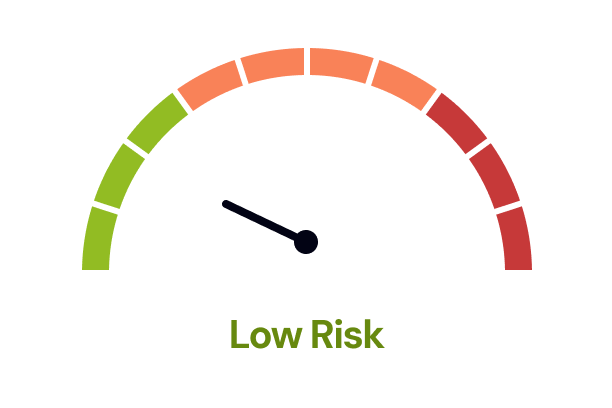
The Legal Risk Score of a Surveillance Policy Template is Low
Our legal team have marked this document as low risk considering:
- There is a risk that the surveillance methods and the extent of monitoring might be perceived as overly intrusive, potentially affecting employee morale and trust.
- The policy allows for the use of surveillance data in disciplinary actions, which could lead to potential conflicts or disputes between employees and management.
- The document specifies that surveillance information will be used in compliance with the Act, which implies a reliance on the correct interpretation and application of the law, potentially leading to legal challenges if mismanaged.
Meet Our Users
Articles about Surveillance Policy
5 Things to Know About the Workplace Surveillance Act
Are there cameras in your workplace or do you feel you're being watched? Here are 5 things you need to know about the Workplace Surveillance Act.

Can Employers Read Employees’ Private Work Messages?
Employers can legally read an employee's private work messages, but only under some circumstances. Find out more in this article.
Are Covert Recordings Legal?
Recordings without consent are illegal. Protect your privacy and workplace. Find out how the law restricts recording without permission.

Australia's New Privacy Policy: How Does It Affect You?
Here's some insights into the key areas that your company policy needs to address as a direct result of developments in the law.

Can Employers Legally Check Their Employee’s Browsing History?
Have you ever wondered whether employers can check their employees’ browsing history? Read this article to find out.
Does Your Business Need a Privacy Policy for GA?
Google Analytics has proven to be a beneficial tool for businesses. But users beware: you must do all you can to comply with privacy laws.

Lawpath in SMH & The Age on New Privacy Laws
New privacy laws are bound to affect your business and how it handles information. Read about what these laws means for you here.

Working From Home vs Remote Work: Key Differences
Security cameras are used for a variety of reasons, such as protecting employees. Find out your rights and responsibilities in this article.

Can Employers Block Certain Websites?
Workplace security includes ensuring that employees are being cybersafe. Find out whether your employer can block certain websites here.
Looking for more documents?
Privacy Policy
A Privacy Policy outlines how your business will use, store and collect your customers' information. A Privacy Policy is required by law in certain circumstances.
Loan Agreement
This Loan Agreement can be used by lender when offering a loan to a Borrower.
Non-Disclosure Agreement (Mutual)
A Non-Disclosure Agreement (Mutual) allows you and another party to share confidential information while legally forbidding either party from disclosing that information to any other person or entity.
Non-Disclosure Agreement (One Way)
A Non-Disclosure Agreement (One Way) allows you and another party to share confidential information while legally forbidding the other party from disclosing that information to any other person or entity.
Employment Agreement (Casual)
This Employment Agreement (Casual) is suitable for casual employees in any industry. This agreement is essential when hiring new casual employees for your business.
Business Sale Agreement
A Business Sale Agreement is used to clearly set out all relevant terms of the sale when selling or buying a business.
Contractor Agreement (Individual)
The Contractor Agreement (Individual) allows you to hire a contractor that is an individual (ie. not a company).
Shareholders Agreement
A Shareholders Agreement allows you to clarify the relationship between shareholders of your company.