
Subcontractor Agreement
A Sub-Contractor Agreement is a legal document that you can use to set out the terms and conditions between a contractor and sub-contractor for the provision of services.
Last updated December 20, 2024
Suitable for Australia
Create & Customise Legal Templates Online
What is a subcontractor agreement?
What is a subcontractor agreement?
A subcontractor agreement is a legal document that sets out the terms and conditions between a contractor and a subcontractor for the provision of specific services.
It covers fees, payment details, obligations, performance requirements and termination terms, giving the contractor a documented basis for engaging someone to help deliver work they've already agreed to with their own client.
Who can use a subcontractor agreement?
Who can use a subcontractor agreement?
This agreement suits any business or individual engaging a subcontractor to help deliver work, or a subcontractor offering services to a contractor rather than directly to the end client.
It's commonly used in construction and trades, but applies equally to any industry where one contractor engages another to complete part of the work.
Is a subcontractor agreement legally binding?
Is a subcontractor agreement legally binding?
Yes, a written subcontractor agreement is legally binding in Australia once it meets basic contract requirements: offer, acceptance, consideration, intention to create legal relations, and legal capacity of both parties.
Courts consistently enforce properly drafted subcontractor agreements, and they're admissible as evidence in tribunals and courts if a dispute arises.
How to create a legal document
- check_circle
Access the Document Library
- check_circle
Select the template that matches your needs
- check_circle
Customise by adding or removing clauses with assistance from Lawpath AI
- check_circle
Personalise with your headers, footers, logos, or additional text
- check_circle
Store all documents securely in your account for easy access
Frequently asked questions
Are subcontractors entitled to superannuation?
keyboard_arrow_upDo subcontractors have statutory rights to progress payments?
keyboard_arrow_upDo subcontractors need their own insurance?
keyboard_arrow_upWhat protections does a subcontractor agreement provide?
keyboard_arrow_upAre there any risks or limitations for subcontractors?
keyboard_arrow_upWhat's the difference between a subcontractor and a contractor agreement?
keyboard_arrow_upWhat's the most common mistake businesses make with a subcontractor agreement?
keyboard_arrow_upWhat are the main steps to finalise a subcontractor agreement?
keyboard_arrow_upHow long does it take to complete a subcontractor agreement?
keyboard_arrow_upHow much does it cost to get a subcontractor agreement, template versus a lawyer?
keyboard_arrow_upView Sample Subcontractor Agreement
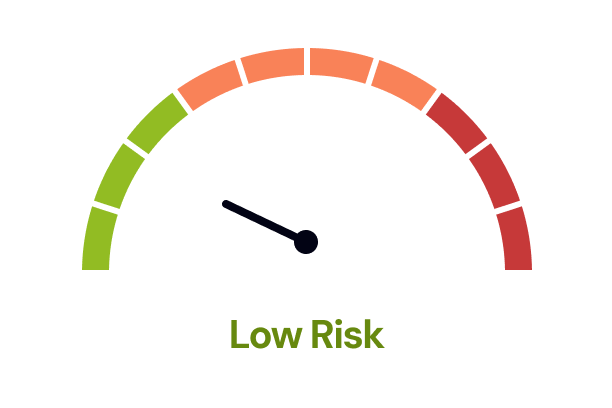
The Legal Risk Score of a Subcontractor Agreement Template is Low
Our legal team have marked this document as low risk considering:
- The document stipulates that if the client decides not to proceed with the services before they are provided, the subcontractor will not receive any payment, which places financial risk on the subcontractor based on client decisions beyond their control.
- The subcontractor bears the risk that if the deliverables are not accepted by the client as meeting the required standards, the fees payable can be re-evaluated, potentially reducing compensation despite efforts made.
- The warranty provided by the subcontractor is limited and any claims for defective services are tightly controlled, potentially leaving little room for recourse if services do not meet the client's expectations or requirements.
Meet Our Users
Articles about Subcontractor Agreement

Sub-Contractor Agreements: What You Need To Know
Like any contract, a sub-contractor agreement can be complicated. Here are some pointers on what to look out for before you sign anything.

An Introduction to Subcontractor Agreements
Have you heard about subcontractor agreements? Find out how contractors pool their skills in together with subcontractor agreements.

Contractor Versus Subcontractor: What's the Difference? (2025 Update)
As a business owner, it's likely you'll have to hire a contractor and subcontractor at some point. Read this guide to find out what they are.

What is a Head Contract?
Are you a contractor looking to sub-contract? If so, you should be paying attention to your head contract. Read on to learn more.

How to Start a Bricklaying Business
Ready to lay a solid business foundation? Discover how to start a bricklaying business in Australia with licences, insurance, and a solid financial base.

Legal Documents Needed to Hire an Independent Contractor
Need to hire a contractor? Learn about the legal documents and services you will need in place to safeguard your business.

3 Steps After Completing Your Contractor Agreement
Hiring a contractor for your business? Find out what to do after completing your contractor agreement (individual) in this article.

Do Sub-contractors Need Insurance?
Insurance is important for most businesses, and especially for sub-contractors. Find out why sub-contractors need insurance here.

How to Become an Electrical Contractor
Electrical contractors are constantly in demand in Australia. Read our article to find out how you can get started as an electrical contractor.
Looking for more documents?
Privacy Policy
A Privacy Policy outlines how your business will use, store and collect your customers' information. A Privacy Policy is required by law in certain circumstances.
Loan Agreement
This Loan Agreement can be used by lender when offering a loan to a Borrower.
Non-Disclosure Agreement (Mutual)
A Non-Disclosure Agreement (Mutual) allows you and another party to share confidential information while legally forbidding either party from disclosing that information to any other person or entity.
Non-Disclosure Agreement (One Way)
A Non-Disclosure Agreement (One Way) allows you and another party to share confidential information while legally forbidding the other party from disclosing that information to any other person or entity.
Business Sale Agreement
A Business Sale Agreement is used to clearly set out all relevant terms of the sale when selling or buying a business.
Shareholders Agreement
A Shareholders Agreement allows you to clarify the relationship between shareholders of your company.
Services Agreement (Pro-Supplier)
This Services Agreement (Pro-Supplier) sets out the relationship between you, the service provider, and the business receiving the services. This version of the Services Agreement is drafted in favour of the supplier from a commercial and legal perspective.
Discretionary Trust Deed
A Discretionary Trust Deed is used to establish a discretionary trust in any state or territory in Australia.