
Store Terms and Conditions
This Store Terms and Conditions allows a store owner to clearly lay out the terms of entry and purchase that apply to customers.
Last updated December 18, 2024
Suitable for Australia
Create & Customise Legal Templates Online
What is a store terms and conditions?
What is a store terms and conditions?
When should you use a store terms and conditions?
When should you use a store terms and conditions?
What should be in a store terms and conditions?
What should be in a store terms and conditions?
How to create a legal document
- check_circle
Access the Document Library
- check_circle
Select the template that matches your needs
- check_circle
Customise by adding or removing clauses with assistance from Lawpath AI
- check_circle
Personalise with your headers, footers, logos, or additional text
- check_circle
Store all documents securely in your account for easy access
Frequently asked questions
What protections does this document offer store owners?
keyboard_arrow_upHow does this document address customer rights under Australian law?
keyboard_arrow_upCan I customise the terms for my specific store policies?
keyboard_arrow_upAre there any limitations I should be aware of?
keyboard_arrow_upHow often should I review and update the terms?
keyboard_arrow_upWhat records should I keep once the terms are in place?
keyboard_arrow_upWho should use this template?
keyboard_arrow_upView Sample Store Terms and Conditions
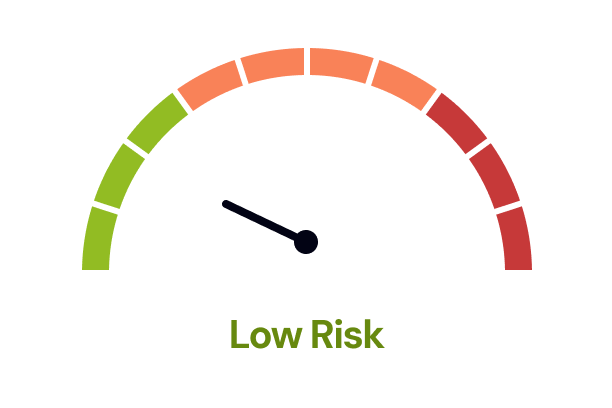
The Legal Risk Score of a Store Terms and Conditions Template is Low
Our legal team have marked this document as low risk considering:
- The document allows the store to change the terms and conditions at their sole discretion, which could potentially introduce unexpected obligations or modifications for the user without prior extensive notice.
- The store has the right to conduct bag searches at its discretion, which could infringe on personal privacy or be deemed intrusive by some customers.
- The limitation of liability clause significantly reduces the store's responsibility for indirect, special, incidental, or consequential damages, potentially leaving the user without adequate remedies in certain loss situations.
Meet Our Users
Articles about Store Terms and Conditions

How to Create Website Terms and Conditions (2025 Update)
Every business should have terms and conditions on their website. Find out what they do and how you can create them in this article.

Do I Need Website Terms and Conditions?
Not sure if you need to have Ts&Cs for your business's website? Read this article to find out when your business will need to have one in place.

Can You Ban Customers From Your Online Store?
Are users on your website breaching your terms of use? Find out here how you can take action and ban customers from your website.
Website Terms & Conditions of Use Explained
Are you selling goods and services online? If so, you are legally required to have a Website Terms and Conditions of Use in place.
5 Key Website Terms and Conditions to Include
Unsure what key terms and conditions to include in your contract? Read on to learn about the essential terms that should be on your website.
Protect Your Online Business with Legal Documents
Learn what legal documents you need to protect your online business and prevent yourself from facing unnecessary legal consequences.

Conditions of Entry: An Explainer
Conditions of entry are rules businesses set for customers entering their premises. Find out what you can include here.
How Often to Update Your Website’s Terms & Conditions
A website's terms and conditions need to be updated consistently to be in line with Australian Consumer Law. This article breaks down the law on this.

Launching an Online Store: The Legal Essentials
Starting an online store or simply ready to launch your business online? Find out how to take care of all the legal stuff in this guide.
Looking for more documents?
Privacy Policy
A Privacy Policy outlines how your business will use, store and collect your customers' information. A Privacy Policy is required by law in certain circumstances.
Loan Agreement
This Loan Agreement can be used by lender when offering a loan to a Borrower.
Non-Disclosure Agreement (Mutual)
A Non-Disclosure Agreement (Mutual) allows you and another party to share confidential information while legally forbidding either party from disclosing that information to any other person or entity.
Non-Disclosure Agreement (One Way)
A Non-Disclosure Agreement (One Way) allows you and another party to share confidential information while legally forbidding the other party from disclosing that information to any other person or entity.
Business Sale Agreement
A Business Sale Agreement is used to clearly set out all relevant terms of the sale when selling or buying a business.
Shareholders Agreement
A Shareholders Agreement allows you to clarify the relationship between shareholders of your company.
Services Agreement (Pro-Supplier)
This Services Agreement (Pro-Supplier) sets out the relationship between you, the service provider, and the business receiving the services. This version of the Services Agreement is drafted in favour of the supplier from a commercial and legal perspective.
Discretionary Trust Deed
A Discretionary Trust Deed is used to establish a discretionary trust in any state or territory in Australia.