
Secondment Agreement
This Secondment Agreement allows a company to enter a secondment arrangement for an employee to work temporarily with another company.
Last updated December 20, 2024
Suitable for Australia
Create & Customise Legal Templates Online
What is a secondment agreement?
What is a secondment agreement?
When should you use a secondment agreement?
When should you use a secondment agreement?
What should be in a secondment agreement?
What should be in a secondment agreement?
How to create a legal document
- check_circle
Access the Document Library
- check_circle
Select the template that matches your needs
- check_circle
Customise by adding or removing clauses with assistance from Lawpath AI
- check_circle
Personalise with your headers, footers, logos, or additional text
- check_circle
Store all documents securely in your account for easy access
Frequently asked questions
What protections does this agreement provide for employers?
keyboard_arrow_upHow does this agreement handle confidentiality and sensitive information?
keyboard_arrow_upWhat happens to intellectual property developed during the secondment?
keyboard_arrow_upCan the secondment be terminated early?
keyboard_arrow_upWho should sign the agreement?
keyboard_arrow_upIs this agreement suitable for all Australian states and territories?
keyboard_arrow_upWhat are the main limitations or risks of using this agreement?
keyboard_arrow_upView Sample Secondment Agreement
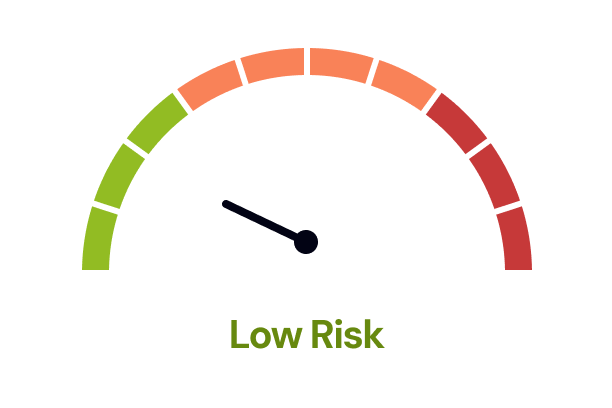
The Legal Risk Score of a Secondment Agreement Template is Low
Our legal team have marked this document as low risk considering:
- The document allows for the transfer of an employee to another company while still being employed by the original employer, which could lead to potential conflicts of interest or loyalty issues.
- The employee's access to confidential information during the secondment creates a risk of information leakage if proper safeguards are not maintained.
- The continuation of the employee's original employment terms, except as varied by this agreement, might lead to ambiguities or misunderstandings regarding applicable terms and conditions during the secondment period.
Meet Our Users
Articles about Secondment Agreement

An Ultimate Guide to Enterprise Agreements in Australia
Read this guide to learn about how enterprise agreements work and how they can benefit both your business and your employees.

The Lawpath Blog
Stay up to date with legal concepts, tactics and strategies for your business

Can I Sublease Under a Commercial Lease?
Looking to make use of your extra space on the premises you lease? Learn how to make extra money for your business with a sublease here.

What Is a Transfer of Employment?
A transfer of employment occurs where a person is employed by an associated entity within 3 months of termination by the former employer. Read more here.

What is Contract Staffing?
Are you hiring or looking to hire new employees? Read this article to learn more about contract staffing and see if it could be a solution to your hiring needs.

Hiring Volunteers or Interns
Learn about the important documentation that is required when hiring volunteer or interns and what it legally means to have them working as a part of your business.

What is Novation of Contract?
Want to alter the terms or parties to your contract? You can do this with a novation of contract. Learn everything there is to know.

4 Things to Know Before Preparing an Employment Agreement
An Employment Agreement sets out the terms and conditions of employment. Here's 4 important things to know about using them.

What is an Interim Contract?
Do you plan to work on an interim basis or hire temporary employees? Read this guide to find out what an interim contract is.
Looking for more documents?
Privacy Policy
A Privacy Policy outlines how your business will use, store and collect your customers' information. A Privacy Policy is required by law in certain circumstances.
Loan Agreement
This Loan Agreement can be used by lender when offering a loan to a Borrower.
Non-Disclosure Agreement (Mutual)
A Non-Disclosure Agreement (Mutual) allows you and another party to share confidential information while legally forbidding either party from disclosing that information to any other person or entity.
Non-Disclosure Agreement (One Way)
A Non-Disclosure Agreement (One Way) allows you and another party to share confidential information while legally forbidding the other party from disclosing that information to any other person or entity.
Employment Agreement (Casual)
This Employment Agreement (Casual) is suitable for casual employees in any industry. This agreement is essential when hiring new casual employees for your business.
Business Sale Agreement
A Business Sale Agreement is used to clearly set out all relevant terms of the sale when selling or buying a business.
Contractor Agreement (Individual)
The Contractor Agreement (Individual) allows you to hire a contractor that is an individual (ie. not a company).
Shareholders Agreement
A Shareholders Agreement allows you to clarify the relationship between shareholders of your company.