
Register of Charges
A Register of Charges records all duties, burdens, obligations or liens on your property.
Last updated October 24, 2025
Suitable for Australia
Create & Customise Legal Templates Online
What is a register of charges?
What is a register of charges?
When should you use a register of charges?
When should you use a register of charges?
What should be in a register of charges?
What should be in a register of charges?
How to create a legal document
- check_circle
Access the Document Library
- check_circle
Select the template that matches your needs
- check_circle
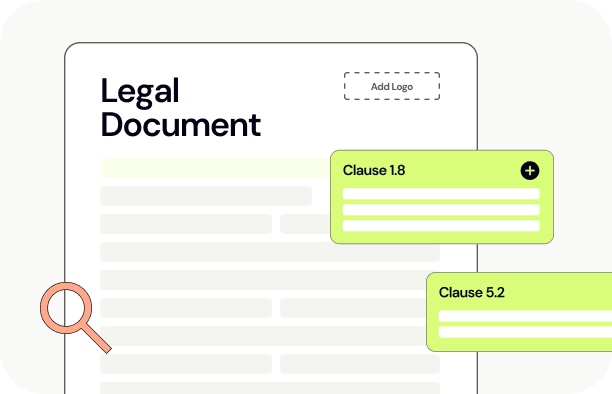
Customise by adding or removing clauses with assistance from Lawpath AI
- check_circle
Personalise with your headers, footers, logos, or additional text
- check_circle
Store all documents securely in your account for easy access
Frequently asked questions
Who benefits from maintaining this register?
keyboard_arrow_upDoes this register apply to all types of property?
keyboard_arrow_upHow does this register protect property owners?
keyboard_arrow_upWhat are the limitations of this register?
keyboard_arrow_upHow often should the register be updated?
keyboard_arrow_upWhat information do you need to complete this register?
keyboard_arrow_upWhat should you do after completing the register?
keyboard_arrow_upView Sample Register of Charges
Meet Our Users
Articles about Register of Charges

What is a Deed of Charge?
Are you financing your own business or someone else’s? Find out how a deed of charge could help you.

Using the Personal Property Securities Register Correctly
“It’s only when the tide goes out that you learn who’s been swimming naked.” - Warren Buffett. Learn how to use the PPSR.

Company Registration Certificate Guide 2023
Company Registration Certificates: Who? What? Why? Everything Business Owners Must Know About CRCs in 2023.

FY26: Simple Guide to Company Setup Costs Australia
Learn about the costs and tasks associated with setting up and registering a company and how to effectively setup a company.

How Does the PPSR Apply to Businesses?
The PPSR is a national noticeboard of personal property security interests. This article will inform you what it is and how it can protect your business.

How To Register A Security Interest On The PPSR
The PPSR is a government-run system to allow debts and obligations to be secured. Find out how to register here.

13 Lawpath Documents Provided Upon Company Registration
Find out in this guide the 13 documents that you will receive upon company registration with Lawpath, and what each of them do.

What is a General Security Agreement (GSA)?
Have you been asked to sign a general security agreement (GSA) to secure a commercial loan? Read this guide to understand what it entails.

Is it Necessary to Register a Commercial Lease?
Do you plan to register a commercial lease? Read this article to find out whether it’s necessary to do so.
Looking for more documents?
Loan Agreement
This Loan Agreement can be used by lender when offering a loan to a Borrower.
Non-Disclosure Agreement (Mutual)
A Non-Disclosure Agreement (Mutual) allows you and another party to share confidential information while legally forbidding either party from disclosing that information to any other person or entity.
Will
A Will is an essential document as part of your estate plan. This Will cannot be e-signed.
Non-Disclosure Agreement (One Way)
A Non-Disclosure Agreement (One Way) allows you and another party to share confidential information while legally forbidding the other party from disclosing that information to any other person or entity.
Shareholders Agreement
A Shareholders Agreement allows you to clarify the relationship between shareholders of your company.
Discretionary Trust Deed
A Discretionary Trust Deed is used to establish a discretionary trust in any state or territory in Australia.
Memorandum of Understanding (MOU)
A Memorandum of Understanding is a non-legally binding precursor document that allows you to record proposed terms with another party during the negotiation stage.
Resume (Graduate)
A Resume (Graduate) provides detailed information about yourself for job applications and a way to showcase your education, skills, experience and achievements to potential employers.