
Redundancy Policy
This Redundancy Policy is used to clarify the circumstances in which an employee may be made redundant. This Policy also outlines the possible next steps following a redundancy, including redeployment and retrenchment.
Last updated October 23, 2025
Suitable for Australia
Create & Customise Legal Templates Online
What is a redundancy policy?
What is a redundancy policy?
When should you use a redundancy policy?
When should you use a redundancy policy?
What should be in a redundancy policy?
What should be in a redundancy policy?
How to create a legal document
- check_circle
Access the Document Library
- check_circle
Select the template that matches your needs
- check_circle
Customise by adding or removing clauses with assistance from Lawpath AI
- check_circle
Personalise with your headers, footers, logos, or additional text
- check_circle
Store all documents securely in your account for easy access
Frequently asked questions
How does this policy protect employees during redundancy?
keyboard_arrow_upDoes the policy comply with Australian employment laws?
keyboard_arrow_upWhat are the main steps outlined after a redundancy decision?
keyboard_arrow_upAre there any limitations to this policy?
keyboard_arrow_upWho should approve and implement this policy?
keyboard_arrow_upHow often should the policy be reviewed?
keyboard_arrow_upWill employees be supported if their role is made redundant?
keyboard_arrow_upView Sample Redundancy Policy
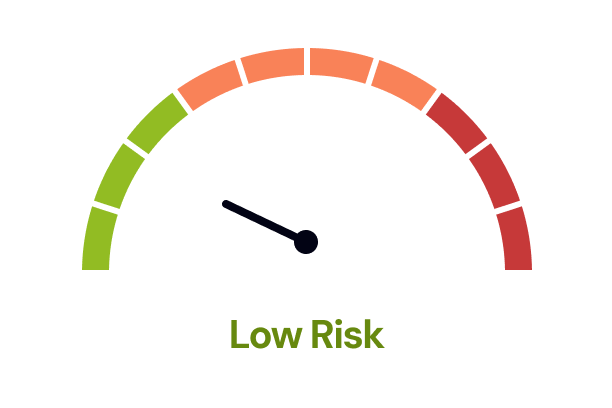
The Legal Risk Score of a Redundancy Policy Template is Low
Our legal team have marked this document as low risk considering:
- The policy’s reliance on internal redeployment options and trial periods could lead to uncertainty and instability for employees facing redundancy, as their future employment status may hinge on the availability and suitability of alternative positions within the company.
- The document does not provide specifics on how the company will handle situations where employees decline redeployment, which might leave employees without a clear understanding of their rights or options in such scenarios.
- The policy limits the issuance of written references for departing employees, potentially impacting their future job prospects and professional validation.
Meet Our Users
Articles about Redundancy Policy

A Comprehensive Guide to Employee Redundancy in Australia
Discover everything you need to know about employee redundancy in Australia with valuable insights for both employers and employees.

Redundancy: Lessons for Employers (2025 Update)
Manage redundancies legally and fairly to avoid costly mistakes. Includes a free calculator for redundancy payments, consultation checklists, and compliant templates.

How Employers Calculate Redundancy Pay in Australia
Learn how to calculate and manage redundancy payments in Australia. Your step-by-step guide to severance pay requirements and obligations.

Do Small Businesses Have to Pay Redundancy Pay?
Redundancy occurs when an employee's job is no longer required, however there are different legal requirements for small businesses. Find out more here.

5 Questions to Ask a Redundancy Lawyer
According to the Australian Bureau of Statistics, over 4% of employees are made redundant each year. Let us guide you through this difficult process with our easy guide.

What is Genuine Redundancy? (2025 Update)
No longer require an employee to do their job? Learn about genuine redundancy, your employees’ rights, and your business's obligations in this situation.

How Does Voluntary Redundancy Work?
Voluntary redundancy occurs where an employer compensates an employee if they voluntarily terminate their own employment. Find out more here.

When Is an Employer Exempt From Redundancy payments?
Are you required to pay redundancy to an employee being terminated? Or are you entitled to a redundancy payment? Make sure you know your redundancy rights.

Are Casual Employees Entitled to Redundancy Pay?
Have you ever wondered if casual employees are entitled to redundancy pay? Find out when they are in this article.
Looking for more documents?
Privacy Policy
A Privacy Policy outlines how your business will use, store and collect your customers' information. A Privacy Policy is required by law in certain circumstances.
Loan Agreement
This Loan Agreement can be used by lender when offering a loan to a Borrower.
Non-Disclosure Agreement (Mutual)
A Non-Disclosure Agreement (Mutual) allows you and another party to share confidential information while legally forbidding either party from disclosing that information to any other person or entity.
Non-Disclosure Agreement (One Way)
A Non-Disclosure Agreement (One Way) allows you and another party to share confidential information while legally forbidding the other party from disclosing that information to any other person or entity.
Employment Agreement (Casual)
This Employment Agreement (Casual) is suitable for casual employees in any industry. This agreement is essential when hiring new casual employees for your business.
Business Sale Agreement
A Business Sale Agreement is used to clearly set out all relevant terms of the sale when selling or buying a business.
Contractor Agreement (Individual)
The Contractor Agreement (Individual) allows you to hire a contractor that is an individual (ie. not a company).
Shareholders Agreement
A Shareholders Agreement allows you to clarify the relationship between shareholders of your company.