
Recruitment Policy
A Recruitment Policy outlines a company’s preferred hiring practices.
Last updated October 24, 2025
Suitable for Australia
Create & Customise Legal Templates Online
What is a recruitment policy?
What is a recruitment policy?
When should you use a recruitment policy?
When should you use a recruitment policy?
What should be in a recruitment policy?
What should be in a recruitment policy?
How to create a legal document
- check_circle
Access the Document Library
- check_circle
Select the template that matches your needs
- check_circle
Customise by adding or removing clauses with assistance from Lawpath AI
- check_circle
Personalise with your headers, footers, logos, or additional text
- check_circle
Store all documents securely in your account for easy access
Frequently asked questions
Who is responsible for implementing the recruitment process?
keyboard_arrow_upHow does this policy help minimise legal risks?
keyboard_arrow_upDoes the policy address confidentiality and data protection?
keyboard_arrow_upCan this policy be used across all Australian states and territories?
keyboard_arrow_upWhat are the limitations of this policy?
keyboard_arrow_upHow does the policy manage external recruitment agencies?
keyboard_arrow_upWhat steps should be taken before using this policy?
keyboard_arrow_upView Sample Recruitment Policy
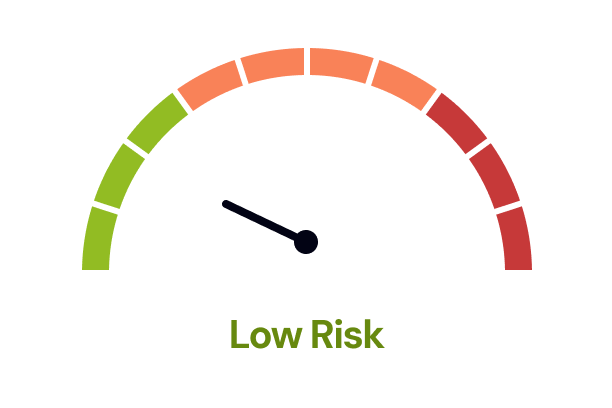
The Legal Risk Score of a Recruitment Policy Template is Low
Our legal team have marked this document as low risk considering:
- The document requires that all recruitment processes, including the use of external recruitment agencies and advertising methods, need prior approval from designated authority, which could delay the recruitment process if approvals are not managed efficiently.
- There is a risk associated with the confidentiality and privacy of candidates' information, particularly in the context of medical assessments and background checks, as the document does not detail specific safeguards for handling sensitive data.
- The policy mandates adherence to anti-discrimination laws and equal opportunity principles without providing explicit guidelines or examples of compliance, which could lead to unintentional violations if users are not well-versed in these laws.
Meet Our Users
Articles about Recruitment Policy

Hiring Staff 101: What You Need To Consider
Ready to hire staff for your business? Learn the documents you will need and the law you will need to comply with.

How to Start a Recruitment Website
Ever thought about helping employers and job-seekers find the right professional match? Find out how to start a recruitment website in this article.

Workplace Policies: Why Small Businesses Need Them
Workplace policies do more than just set out rules for employees. They can bring structure and safety to your business. Read on here.

How to get a 457 Visa for foreign employees
Dominic Woolrych CEO Dominic is the CEO of Lawpath, dedicating his days to making legal easier, faster and more accessible to businesses. Dominic is a recognised thought-leader in Australian legal disruption, and was recognised as a winner of the Australian Legal Innovation Index and recently a winner of the LexisNexis 40 Under 40 (APAC). There […]

Is Hiring Based on Culture-fit Discriminatory?
'Culture fit' is an ambiguous part of hiring and may be discriminatory. Learn how to ensure your recruitment process is legally sound here.

What Is Equal Employment Opportunity?
Do you know what Equal Employment Opportunity (EEO) is? Read this article to find out what it means and when it applies.

What Legal Services do I need to Hire an Employee?
Need to hire an employee? Learn about the legal documents and services you will need in place to safeguard your business and employees.

Lawpath Legal documents Update (January 2020)
Access more than 200 legal documents in the Lawpath library. Read about the latest product and document releases for the month of January.

How to Onboard a New Employee Remotely
Trying to onboard an employee remotely? Not sure where to start? This article will cover the ins and outs of the entire process.
Looking for more documents?
Privacy Policy
A Privacy Policy outlines how your business will use, store and collect your customers' information. A Privacy Policy is required by law in certain circumstances.
Loan Agreement
This Loan Agreement can be used by lender when offering a loan to a Borrower.
Non-Disclosure Agreement (Mutual)
A Non-Disclosure Agreement (Mutual) allows you and another party to share confidential information while legally forbidding either party from disclosing that information to any other person or entity.
Non-Disclosure Agreement (One Way)
A Non-Disclosure Agreement (One Way) allows you and another party to share confidential information while legally forbidding the other party from disclosing that information to any other person or entity.
Employment Agreement (Casual)
This Employment Agreement (Casual) is suitable for casual employees in any industry. This agreement is essential when hiring new casual employees for your business.
Business Sale Agreement
A Business Sale Agreement is used to clearly set out all relevant terms of the sale when selling or buying a business.
Contractor Agreement (Individual)
The Contractor Agreement (Individual) allows you to hire a contractor that is an individual (ie. not a company).
Shareholders Agreement
A Shareholders Agreement allows you to clarify the relationship between shareholders of your company.