
Privacy Policy (CCPA Compliant)
A Privacy Policy outlines how your business will use, store and collect your customers' information. This Privacy Policy meets the requirements of the Australian Privacy Principles, as well as the California Consumer Privacy Act.
Last updated October 24, 2025
Suitable for Australia
Create & Customise Legal Templates Online
What is a privacy policy (ccpa compliant)?
What is a privacy policy (ccpa compliant)?
When should you use a privacy policy (ccpa compliant)?
When should you use a privacy policy (ccpa compliant)?
What should be in a privacy policy (ccpa compliant)?
What should be in a privacy policy (ccpa compliant)?
How to create a legal document
- check_circle
Access the Document Library
- check_circle
Select the template that matches your needs
- check_circle
Customise by adding or removing clauses with assistance from Lawpath AI
- check_circle
Personalise with your headers, footers, logos, or additional text
- check_circle
Store all documents securely in your account for easy access
Frequently asked questions
Who needs this type of privacy policy?
keyboard_arrow_upDoes my website or app require this policy?
keyboard_arrow_upWhat protections does this policy offer my business?
keyboard_arrow_upAre there limitations to this privacy policy?
keyboard_arrow_upHow often should the policy be updated?
keyboard_arrow_upWhere should I display my privacy policy?
keyboard_arrow_upWhat if I use third-party services like Google Analytics?
keyboard_arrow_upView Sample Privacy Policy (CCPA Compliant)
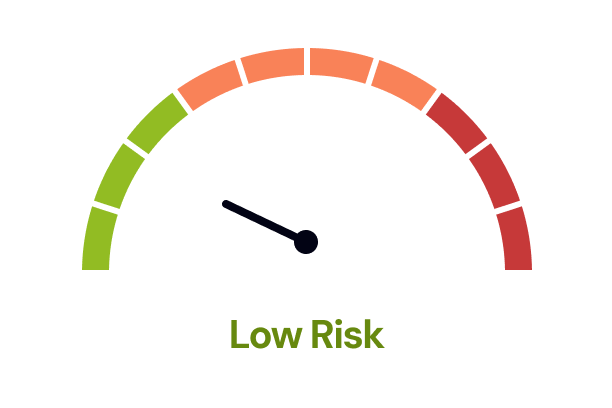
The Legal Risk Score of a Privacy Policy (CCPA Compliant) Template is Low
Our legal team have marked this document as low risk considering:
- The document allows for the collection and sharing of a wide range of personal information, which could expose users to potential privacy breaches if not handled properly.
- The transfer of personal information across international borders, as outlined in the document, introduces the risk of data being subject to less stringent protections than in the user's home country.
- The document outlines the use of personal information for marketing purposes, which might not align with every user's expectations or preferences regarding their personal data usage.
Meet Our Users
Articles about Privacy Policy (CCPA Compliant)

How to Create a Privacy Policy (2025 Update)
A privacy policy informs website users how you will handle their information. Find out how to create a Privacy Policy here.

Australia's New Privacy Policy: How Does It Affect You?
Here's some insights into the key areas that your company policy needs to address as a direct result of developments in the law.

Why Do You Need a Privacy Policy?
If you're running a website for your business, it's likely that you'll need a privacy policy. Find out why they're so important here.
Video: What is a Privacy Policy?
Join LawPath's Head of Legal Dominic Woolrych as he takes you through - What is a Privacy Policy?

5 Mistakes to Avoid in Your Privacy Policy
Are you a small business or a not-for-profit owner? Avoid these common mistakes when using a Privacy Policy for your website.

What is a Privacy Policy URL?
All you need to know about hosting your company's Privacy Policy URL. A Privacy Policy outlines how your platform handles personal data of visitors.

3 Things to Do After Completing Your Privacy Policy
Recently introduced a privacy policy for your website? Find out the next steps after completing your Privacy Policy.

Lawpath in SMH & The Age on New Privacy Laws
New privacy laws are bound to affect your business and how it handles information. Read about what these laws means for you here.

Legal Documents You Need For Your Website
Learn about all the legal documents you need to create and launch your website.
Looking for more documents?
Privacy Policy
A Privacy Policy outlines how your business will use, store and collect your customers' information. A Privacy Policy is required by law in certain circumstances.
Loan Agreement
This Loan Agreement can be used by lender when offering a loan to a Borrower.
Non-Disclosure Agreement (Mutual)
A Non-Disclosure Agreement (Mutual) allows you and another party to share confidential information while legally forbidding either party from disclosing that information to any other person or entity.
Non-Disclosure Agreement (One Way)
A Non-Disclosure Agreement (One Way) allows you and another party to share confidential information while legally forbidding the other party from disclosing that information to any other person or entity.
Business Sale Agreement
A Business Sale Agreement is used to clearly set out all relevant terms of the sale when selling or buying a business.
Shareholders Agreement
A Shareholders Agreement allows you to clarify the relationship between shareholders of your company.
Services Agreement (Pro-Supplier)
This Services Agreement (Pro-Supplier) sets out the relationship between you, the service provider, and the business receiving the services. This version of the Services Agreement is drafted in favour of the supplier from a commercial and legal perspective.
Discretionary Trust Deed
A Discretionary Trust Deed is used to establish a discretionary trust in any state or territory in Australia.