
NDIS Cancellation Policy
This NDIS Cancellation Policy sets out your business' policies and procedures in the event of cancellation.
Last updated April 1, 2025
Suitable for Australia
Create & Customise Legal Templates Online
What is a ndis cancellation policy?
What is a ndis cancellation policy?
When should you use a ndis cancellation policy?
When should you use a ndis cancellation policy?
What should be in a ndis cancellation policy?
What should be in a ndis cancellation policy?
How to create a legal document
- check_circle
Access the Document Library
- check_circle
Select the template that matches your needs
- check_circle
Customise by adding or removing clauses with assistance from Lawpath AI
- check_circle
Personalise with your headers, footers, logos, or additional text
- check_circle
Store all documents securely in your account for easy access
Frequently asked questions
Who is this policy suitable for?
keyboard_arrow_upWhat protections does this policy offer my business?
keyboard_arrow_upCan I customise the notice period for cancellations?
keyboard_arrow_upAre there any limitations to this policy?
keyboard_arrow_upWhat are the financial implications for clients?
keyboard_arrow_upHow do I implement this policy in my business?
keyboard_arrow_upIs this policy valid across Australia?
keyboard_arrow_upView Sample NDIS Cancellation Policy
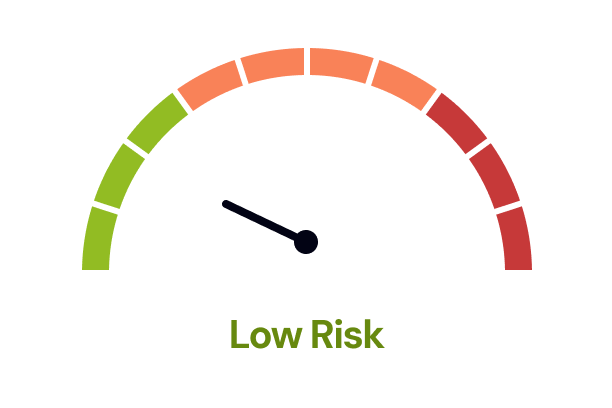
The Legal Risk Score of a NDIS Cancellation Policy Template is Low
Our legal team have marked this document as low risk considering:
- There is a financial risk for clients who cancel appointments on short notice or fail to show up, as they may be charged 100% of the scheduled fee.
- Clients may be directly charged if the funding body, such as NDIS, rejects the cancellation payment, which could lead to unexpected expenses.
- The policy may not cover all possible personal or emergency situations comprehensively, which could result in disputes over what constitutes an "exceptional circumstance" that would waive the cancellation fee.
This document presents a moderate risk profile as it clearly outlines the financial implications of cancellations and no-shows, which could deter clients from making last-minute changes. However, it also includes provisions for waiving fees in exceptional circumstances, providing some flexibility and understanding, which might mitigate the overall risk to a user familiar with such policies.
Meet Our Users
Articles about NDIS Cancellation Policy

Ultimate Guide on How to Start an NDIS Business
If you want to learn how to start an NDIS business today, this ultimate guide is all you need. Read along to find out.

Navigate NDIS Taxation: Essential Tips
Are you an NDIS provider with questions about taxes? Find tips and tricks to help you manage your finances and stay compliant in our comprehensive guide.

How Businesses Can Manage COVID-19 Cancellations
The COVID-19 pandemic has meant a sharp rise in cancellations. Find out how your business should handle cancellations and the legal requirements involved.

Legal Documents for NDIS Businesses & Why You Need Them
Legal documents for NDIS businesses are important to ensure that people living with disabilities get the appropriate assistance.

5 Ways to Cancel a Contract : What You Need to Know
Sometimes, you may have second thoughts about entering into an agreement. Read on to find out when you can cancel a signed contract.

50+ NDIS Business Ideas for Australian Entrepreneurs
Want to help people while running a thriving business? Here is a list of 50+ NDIS business ideas for assisting individuals with disabilities.

How to Cancel a Direct Debit
There are a few things to be aware of when cancelling a direct debit. Read on to find out what you need to know.

Are Non-refundable Deposits Legal?
Non-refundable deposits can be a little tricky to understand. Businesses should be aware of how they work and what it means if you intend to use them.

Company Has Close Shave with Unfair Contract Terms
Does your company involve consumer or small business contracts? Read our legal guide to avoid landing in a hairy situation with unfair contract terms!
Looking for more documents?
Privacy Policy
A Privacy Policy outlines how your business will use, store and collect your customers' information. A Privacy Policy is required by law in certain circumstances.
Loan Agreement
This Loan Agreement can be used by lender when offering a loan to a Borrower.
Non-Disclosure Agreement (Mutual)
A Non-Disclosure Agreement (Mutual) allows you and another party to share confidential information while legally forbidding either party from disclosing that information to any other person or entity.
Non-Disclosure Agreement (One Way)
A Non-Disclosure Agreement (One Way) allows you and another party to share confidential information while legally forbidding the other party from disclosing that information to any other person or entity.
Business Sale Agreement
A Business Sale Agreement is used to clearly set out all relevant terms of the sale when selling or buying a business.
Shareholders Agreement
A Shareholders Agreement allows you to clarify the relationship between shareholders of your company.
Services Agreement (Pro-Supplier)
This Services Agreement (Pro-Supplier) sets out the relationship between you, the service provider, and the business receiving the services. This version of the Services Agreement is drafted in favour of the supplier from a commercial and legal perspective.
Discretionary Trust Deed
A Discretionary Trust Deed is used to establish a discretionary trust in any state or territory in Australia.