
Heads of Agreement
A Heads of Agreement is a non-legally binding pre-cursor document that you can use during the negotiation stage to record proposed terms of two parties.
Last updated October 23, 2025
Suitable for Australia
Create & Customise Legal Templates Online
What is a heads of agreement?
What is a heads of agreement?
When should you use a heads of agreement?
When should you use a heads of agreement?
What should be in a heads of agreement?
What should be in a heads of agreement?
How to create a legal document
- check_circle
Access the Document Library
- check_circle
Select the template that matches your needs
- check_circle
Customise by adding or removing clauses with assistance from Lawpath AI
- check_circle
Personalise with your headers, footers, logos, or additional text
- check_circle
Store all documents securely in your account for easy access
Frequently asked questions
Is a heads of agreement legally binding in Australia?
keyboard_arrow_upWhat protections does this document offer during negotiations?
keyboard_arrow_upCan you include confidentiality or exclusivity clauses?
keyboard_arrow_upWhat are the risks or limitations of using this document?
keyboard_arrow_upHow do you terminate a heads of agreement?
keyboard_arrow_upHow does this differ from a memorandum of understanding (MoU)?
keyboard_arrow_upWhat are the next steps after signing?
keyboard_arrow_upView Sample Heads of Agreement
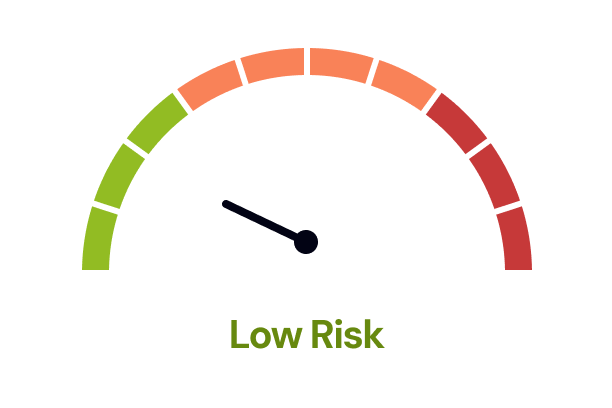
The Legal Risk Score of a Heads of Agreement Template is Low
Our legal team have marked this document as low risk considering:
- The document outlines terms that are not intended to be legally binding except where explicitly stated, which means that commitments made under this agreement may not be enforceable until a final agreement is signed.
- Each party must bear their own costs related to the negotiation and preparation of the agreement, regardless of whether it ultimately proceeds, which could lead to significant expenditures without any guarantee of a return or successful agreement.
- The document specifies that damages might not be an adequate remedy for breaches, suggesting reliance on equitable remedies like injunctions or specific performance, which can be more complex and costly to enforce than simple monetary damages.
Meet Our Users
Articles about Heads of Agreement

Heads of Agreement vs Memorandum of Understanding
Find out the key differences between a Heads of Agreement (HOA) and a Memorandum of Understanding (MOU) in this article.

What is a Head Contract?
Are you a contractor looking to sub-contract? If so, you should be paying attention to your head contract. Read on to learn more.

Contract Negotiation: How to Protect Your Business
Read this article to learn about contract negotiation, your guide to closing the deal and protecting your business.

MOU vs Contract: When to Use Which
A memorandum of understanding (MOU) can be a great asset to contract negotiation. Here are our tips on when to use one and what to avoid when drafting it.

How to Negotiate a Partnership Agreement
Negotiating a Partnership Agreement? Here are some tips to consider to ensure the protection of you and your business.

5 Tips When Entering Into an Agreement With a Client
Entering into an agreement with a client requires certain considerations. In this article, we break down five key tips to ensure business success.

Term Sheet vs Memorandum of Understanding
Looking to understand the difference between a term sheet and a memorandum of understanding?Read this article to find out what they are and when to use them.

Customising a Co-Founders Agreement: Key Tips
Learn more about how a Co-Founders agreement can ensure your business is headed in the right path.

What Is A Binding Financial Agreement?
This article explores everything you need to know about binding financial agreements (BFAs).
Looking for more documents?
Privacy Policy
A Privacy Policy outlines how your business will use, store and collect your customers' information. A Privacy Policy is required by law in certain circumstances.
Loan Agreement
This Loan Agreement can be used by lender when offering a loan to a Borrower.
Non-Disclosure Agreement (Mutual)
A Non-Disclosure Agreement (Mutual) allows you and another party to share confidential information while legally forbidding either party from disclosing that information to any other person or entity.
Will
A Will is an essential document as part of your estate plan. This Will cannot be e-signed.
Non-Disclosure Agreement (One Way)
A Non-Disclosure Agreement (One Way) allows you and another party to share confidential information while legally forbidding the other party from disclosing that information to any other person or entity.
Website Terms and Conditions of Use (Services)
This Website Terms and Conditions of Use (Services) document is specifically tailored for websites selling services.
Business Sale Agreement
A Business Sale Agreement is used to clearly set out all relevant terms of the sale when selling or buying a business.
Contractor Agreement (Individual)
The Contractor Agreement (Individual) allows you to hire a contractor that is an individual (ie. not a company).