
Engagement Letter
An Engagement Letter is a document that sets out the business relationship between a client and a company.
Last updated October 23, 2025
Suitable for Australia
Create & Customise Legal Templates Online
What is a engagement letter?
What is a engagement letter?
When should you use a engagement letter?
When should you use a engagement letter?
What should be in a engagement letter?
What should be in a engagement letter?
How to create a legal document
- check_circle
Access the Document Library
- check_circle
Select the template that matches your needs
- check_circle
Customise by adding or removing clauses with assistance from Lawpath AI
- check_circle
Personalise with your headers, footers, logos, or additional text
- check_circle
Store all documents securely in your account for easy access
Frequently asked questions
Who typically uses this document?
keyboard_arrow_upWhat protections does this document provide?
keyboard_arrow_upAre there any limitations to using this document?
keyboard_arrow_upHow often should this document be updated?
keyboard_arrow_upWhat steps are required after receiving the document?
keyboard_arrow_upDoes this document meet legal requirements across Australia?
keyboard_arrow_upWhat other documents might I need alongside this?
keyboard_arrow_upView Sample Engagement Letter
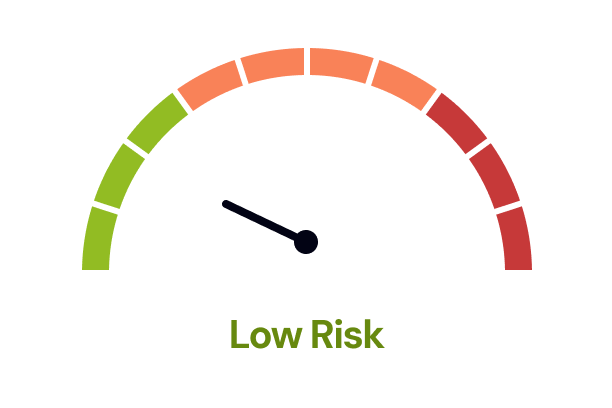
The Legal Risk Score of a Engagement Letter Template is Low
Our legal team have marked this document as low risk considering:
- The pricing estimates provided are indicative and not binding, which means the actual fees might exceed initial expectations.
- The client is solely responsible for the accuracy and completeness of the information provided, which could affect the quality and applicability of the services received.
- While confidentiality is maintained, information may be disclosed as required by law or with the client's express consent, potentially exposing sensitive information under certain circumstances.
Meet Our Users
Articles about Engagement Letter

What Is An Engagement Letter?
Raja Abbas Content Writer Based in Sydney, Raja is a law student enrolled in a Bachelor of Laws and Bachelor of Communications (Writing and Publishing) at the University of Technology Sydney. He is passionate about transferring knowledge in relation to businesses, legal advice and marketing direction. Raja has experience working in immigration law and is […]

The Lawpath Blog
Stay up to date with legal concepts, tactics and strategies for your business

How to Write a Business Proposal Letter
Learn how to write an efficient business proposal letter that will kickstart your business idea.

6 Tips For Writing a Great Cover Letter
Your cover letter can determine whether you get called in for a job interview or not. Read for some tips on writing a professional and memorable one.

Term Sheet vs Memorandum of Understanding
Looking to understand the difference between a term sheet and a memorandum of understanding?Read this article to find out what they are and when to use them.

How to Write a Business Proposal Letter (2025 Update)
Ready to start reaching out to people about your new business? Read this article to find out what a successful business proposal letter looks like

No Regrets - Legal Contract Negotiation
Read this article for some important notes on ethical legal contract negotiation.

Goodwill in a Memorandum of Understanding Explained
Goodwill is important in the execution of a Memorandum of Understanding (MOU). To better understand what this means, read this article.

How To Write an Expression of Interest When Filing Tender
Learn how to prepare and issue an Expression of Interest (EOI) request in Australia with clear steps, templates, and legal compliance tips.
Looking for more documents?
Privacy Policy
A Privacy Policy outlines how your business will use, store and collect your customers' information. A Privacy Policy is required by law in certain circumstances.
Loan Agreement
This Loan Agreement can be used by lender when offering a loan to a Borrower.
Non-Disclosure Agreement (Mutual)
A Non-Disclosure Agreement (Mutual) allows you and another party to share confidential information while legally forbidding either party from disclosing that information to any other person or entity.
Non-Disclosure Agreement (One Way)
A Non-Disclosure Agreement (One Way) allows you and another party to share confidential information while legally forbidding the other party from disclosing that information to any other person or entity.
Business Sale Agreement
A Business Sale Agreement is used to clearly set out all relevant terms of the sale when selling or buying a business.
Shareholders Agreement
A Shareholders Agreement allows you to clarify the relationship between shareholders of your company.
Services Agreement (Pro-Supplier)
This Services Agreement (Pro-Supplier) sets out the relationship between you, the service provider, and the business receiving the services. This version of the Services Agreement is drafted in favour of the supplier from a commercial and legal perspective.
Discretionary Trust Deed
A Discretionary Trust Deed is used to establish a discretionary trust in any state or territory in Australia.