
Employee Code of Conduct
An Employee Code of Conduct sets out the company's standard conduct for employees in the workplace.
Last updated October 23, 2025
Suitable for Australia
Create & Customise Legal Templates Online
What is a employee code of conduct?
What is a employee code of conduct?
When should you use a employee code of conduct?
When should you use a employee code of conduct?
What should be in a employee code of conduct?
What should be in a employee code of conduct?
How to create a legal document
- check_circle
Access the Document Library
- check_circle
Select the template that matches your needs
- check_circle
Customise by adding or removing clauses with assistance from Lawpath AI
- check_circle
Personalise with your headers, footers, logos, or additional text
- check_circle
Store all documents securely in your account for easy access
Frequently asked questions
Who is this document suitable for?
keyboard_arrow_upDoes this document create legally binding obligations?
keyboard_arrow_upWhat protections does this code offer employers?
keyboard_arrow_upAre there any limitations to using this document?
keyboard_arrow_upHow should this document be implemented in the workplace?
keyboard_arrow_upCan this code be used across all Australian states and territories?
keyboard_arrow_upHow long does it take to complete this code?
keyboard_arrow_upView Sample Employee Code of Conduct
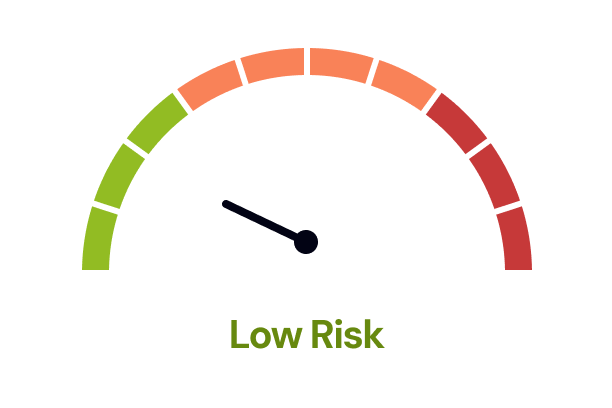
The Legal Risk Score of a Employee Code of Conduct Template is Low
Our legal team have marked this document as low risk considering:
- There is a risk that the broad prohibition on unauthorized disclosure of information could restrict employees' ability to share potentially necessary information, even in contexts where such sharing could be considered reasonable or essential.
- The document mandates compliance with various ethical and business conduct standards without specifying detailed procedures for reporting or addressing breaches, which could lead to inconsistencies in enforcement or misunderstandings.
- The obligation for employees to disclose any changes in circumstances that might affect their job performance could be seen as overly intrusive, depending on the nature of the information required and the interpretation of what is relevant.
Meet Our Users
Articles about Employee Code of Conduct

Understanding 2025 Laws on Employee Underpayments
As we enter the new year, new laws regarding underpayments of employees are being enforced. This article is a comprehensive guide to understand what these laws are and how to navigate them.

Workplace Policies: Why Small Businesses Need Them
Workplace policies do more than just set out rules for employees. They can bring structure and safety to your business. Read on here.

5 Ways to Manage Insubordination at Work
Insubordinate staff can cause major problems for any business. This guide can help you to fairly and quickly deal with insubordination in the workplace.

What Should an Employee Handbook Include?
An employee handbook is a useful resource as it ensures all employees are aware of the rules and expectations of a business.

How to Distinguish Misconduct from Poor Performance
Poor performance and misconduct can both severely impact your business. Find out how to differentiate between them in this article.

What Counts as Serious Misconduct in the Workplace?
Serious misconduct in the workplace can be difficult to manage and may result in termination. Find out here what behaviour amounts to serious misconduct.

Acceptable Use Policies: An Explainer
Acceptable Use Policies outline what is and is not acceptable in the workplace. Find out more in this article.

How to Manage Conflicts of Interest in the Workplace
Conflicts of interest can arise in all kinds of workplaces. Learn how to equip your business with the tools to identify them and deal with them effectively.

How to Effectively Manage Underperformance
Learn about how you can deal with underperforming employees in your company.
Looking for more documents?
Privacy Policy
A Privacy Policy outlines how your business will use, store and collect your customers' information. A Privacy Policy is required by law in certain circumstances.
Loan Agreement
This Loan Agreement can be used by lender when offering a loan to a Borrower.
Non-Disclosure Agreement (Mutual)
A Non-Disclosure Agreement (Mutual) allows you and another party to share confidential information while legally forbidding either party from disclosing that information to any other person or entity.
Non-Disclosure Agreement (One Way)
A Non-Disclosure Agreement (One Way) allows you and another party to share confidential information while legally forbidding the other party from disclosing that information to any other person or entity.
Employment Agreement (Casual)
This Employment Agreement (Casual) is suitable for casual employees in any industry. This agreement is essential when hiring new casual employees for your business.
Business Sale Agreement
A Business Sale Agreement is used to clearly set out all relevant terms of the sale when selling or buying a business.
Contractor Agreement (Individual)
The Contractor Agreement (Individual) allows you to hire a contractor that is an individual (ie. not a company).
Shareholders Agreement
A Shareholders Agreement allows you to clarify the relationship between shareholders of your company.