
Dress Code Policy
A Dress Code Policy is a document which outlines how the employees of a business or organisation are expected to dress whilst at work or when representing or acting on behalf of the business or organisation.
Last updated October 24, 2025
Suitable for Australia
Create & Customise Legal Templates Online
What is a dress code policy?
What is a dress code policy?
When should you use a dress code policy?
When should you use a dress code policy?
What should be in a dress code policy?
What should be in a dress code policy?
How to create a legal document
- check_circle
Access the Document Library
- check_circle
Select the template that matches your needs
- check_circle
Customise by adding or removing clauses with assistance from Lawpath AI
- check_circle
Personalise with your headers, footers, logos, or additional text
- check_circle
Store all documents securely in your account for easy access
Frequently asked questions
Who does this policy apply to?
keyboard_arrow_upDoes the policy allow for religious or cultural dress exceptions?
keyboard_arrow_upHow are tattoos and piercings addressed?
keyboard_arrow_upWhat happens if an employee doesn’t comply?
keyboard_arrow_upCan the company change the dress code policy?
keyboard_arrow_upHow should this policy be communicated to staff?
keyboard_arrow_upWhat steps should management take to enforce the policy fairly?
keyboard_arrow_upView Sample Dress Code Policy
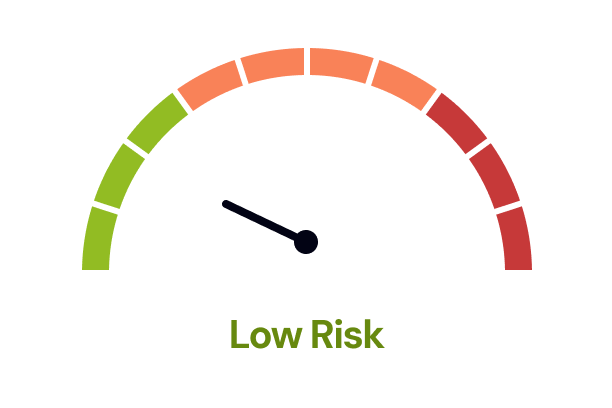
The Legal Risk Score of a Dress Code Policy Template is Low
Our legal team have marked this document as low risk considering:
- The document's flexibility in allowing management to determine the visibility of tattoos and piercings could lead to inconsistent enforcement, which might result in perceptions of unfair treatment or bias among employees.
- The provision for religious and cultural exemptions, while inclusive, requires careful management to ensure it is applied fairly and consistently, thereby preventing potential claims of discrimination or exclusion.
- The policy's ability to be varied by the company at their discretion could introduce uncertainty for employees regarding what is acceptable, potentially leading to confusion and non-compliance.
Meet Our Users
Articles about Dress Code Policy

What Is A Dress Code Policy?
Need to construct a dress code policy? This article explores everything you need to know about dress code policies and key components to consider.

Is It Legal to Require Employees to Wear Uniforms?
Are you considering making it compulsory for your employees to wear uniforms? Our article breaks down the law on this issue.

Does My Business Have to Pay for Employee Uniforms?
Wondering if you have to pay for your employees uniforms? This guide will give you a brief overview about your responsibilities as an employer.

Workplace Policies: Why Small Businesses Need Them
Workplace policies do more than just set out rules for employees. They can bring structure and safety to your business. Read on here.

Can An Employer Ban Tattoos In The Workplace? (2025 Update)
Although tattoos are socially acceptable, some workplaces have more conservative views. Find out whether banning tattoos in the workplace is legal here.

The Lawpath Blog
Stay up to date with legal concepts, tactics and strategies for your business

What Is A Work From Home Policy?
This article explores everything you need to know about how to create a work from home policy.

Conditions of Entry: An Explainer
Conditions of entry are rules businesses set for customers entering their premises. Find out what you can include here.

What Should an Employee Handbook Include?
An employee handbook is a useful resource as it ensures all employees are aware of the rules and expectations of a business.
Looking for more documents?
Privacy Policy
A Privacy Policy outlines how your business will use, store and collect your customers' information. A Privacy Policy is required by law in certain circumstances.
Loan Agreement
This Loan Agreement can be used by lender when offering a loan to a Borrower.
Non-Disclosure Agreement (Mutual)
A Non-Disclosure Agreement (Mutual) allows you and another party to share confidential information while legally forbidding either party from disclosing that information to any other person or entity.
Non-Disclosure Agreement (One Way)
A Non-Disclosure Agreement (One Way) allows you and another party to share confidential information while legally forbidding the other party from disclosing that information to any other person or entity.
Employment Agreement (Casual)
This Employment Agreement (Casual) is suitable for casual employees in any industry. This agreement is essential when hiring new casual employees for your business.
Business Sale Agreement
A Business Sale Agreement is used to clearly set out all relevant terms of the sale when selling or buying a business.
Contractor Agreement (Individual)
The Contractor Agreement (Individual) allows you to hire a contractor that is an individual (ie. not a company).
Shareholders Agreement
A Shareholders Agreement allows you to clarify the relationship between shareholders of your company.