
Direction to Pay
A Direction to Pay document may be used in mortgage transactions by the mortgagor to direct the mortgage to pay an advance on or at settlement.
Last updated October 24, 2025
Suitable for Australia
Create & Customise Legal Templates Online
What is a direction to pay?
What is a direction to pay?
When should you use a direction to pay?
When should you use a direction to pay?
What should be in a direction to pay?
What should be in a direction to pay?
How to create a legal document
- check_circle
Access the Document Library
- check_circle
Select the template that matches your needs
- check_circle
Customise by adding or removing clauses with assistance from Lawpath AI
- check_circle
Personalise with your headers, footers, logos, or additional text
- check_circle
Store all documents securely in your account for easy access
Frequently asked questions
Who typically prepares and signs this document?
keyboard_arrow_upWhat are the main benefits of using this document?
keyboard_arrow_upDoes this document reduce the risk of payment disputes?
keyboard_arrow_upAre there any limitations or risks to be aware of?
keyboard_arrow_upIs this document valid across all Australian states and territories?
keyboard_arrow_upHow long does it take to complete this document?
keyboard_arrow_upWhat should you check before finalising the document?
keyboard_arrow_upView Sample Direction to Pay
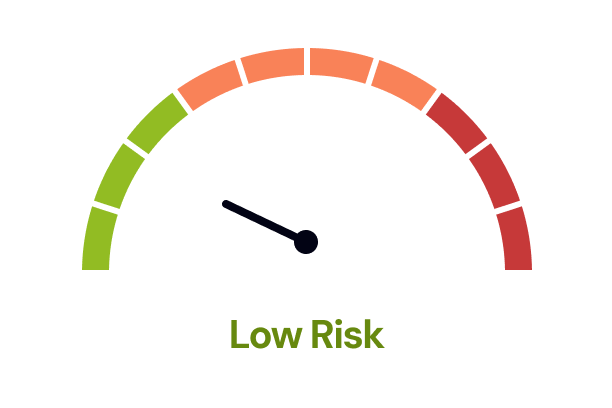
The Legal Risk Score of a Direction to Pay Template is Low
Our legal team have marked this document as low risk considering:
- The document outlines payment directives in a list format, which could lead to misunderstandings if the details are not specified clearly and comprehensively.
- The document mentions contacting the issuer immediately if there are questions, but does not provide specific contact details, which could delay resolution of issues or queries.
- The document includes a space for a signature without specifying the authority or identity of the signatory, which might lead to questions about the authenticity and enforceability of the document.
Meet Our Users
Articles about Direction to Pay

5 Ways to Get Paid: Interview with a Lawyer (2025 Update)
Cashflow is the lifeblood of small businesses. Here we chat to lawyer Damin Murdock about how you can make sure you get paid.

How to Enforce a Payment in NSW (2025 Update)
Have customers who haven't paid an invoice? Find out in this article how you can enforce a payment in New South Wales (NSW).

Which Payment Methods Should My Business Accept?
Find out which payment methods your business should accept and why having multiple ways to pay is important.

Should Your Business Offer 'Buy Now, Pay Later'?
What businesses should consider if they want to introduce a 'Buy now, pay later' payment method

Can A Business Refuse Cash In Australia?: Is It Legal?
Due to the rapid decline in cash use, you might wonder, can a business refuse cash in Australia? This article explains whether it is legal.
How to Enforce a Payment in WA
In this series of posts we look at the concept of ‘enforcing a payment’ within each respective State and Territory. Read now.

How to Write a Letter of Demand in Australia (+Template)
The thought of legal action due to debt can be daunting. Start with a letter of demand to recuperate unpaid debt — template inside!
Changes to the way we pay
What are the new PayID changes? How will they affect your business? What are the risks associated? How can you minimise these risks?
How to Enforce a Payment in ACT
In this series of posts we look at the concept of ‘enforcing a payment’ within each respective State and Territory. Read here to find out about the ACT.
Looking for more documents?
Privacy Policy
A Privacy Policy outlines how your business will use, store and collect your customers' information. A Privacy Policy is required by law in certain circumstances.
Loan Agreement
This Loan Agreement can be used by lender when offering a loan to a Borrower.
Non-Disclosure Agreement (Mutual)
A Non-Disclosure Agreement (Mutual) allows you and another party to share confidential information while legally forbidding either party from disclosing that information to any other person or entity.
Non-Disclosure Agreement (One Way)
A Non-Disclosure Agreement (One Way) allows you and another party to share confidential information while legally forbidding the other party from disclosing that information to any other person or entity.
Business Sale Agreement
A Business Sale Agreement is used to clearly set out all relevant terms of the sale when selling or buying a business.
Shareholders Agreement
A Shareholders Agreement allows you to clarify the relationship between shareholders of your company.
Services Agreement (Pro-Supplier)
This Services Agreement (Pro-Supplier) sets out the relationship between you, the service provider, and the business receiving the services. This version of the Services Agreement is drafted in favour of the supplier from a commercial and legal perspective.
Discretionary Trust Deed
A Discretionary Trust Deed is used to establish a discretionary trust in any state or territory in Australia.