
Cancellation Policy
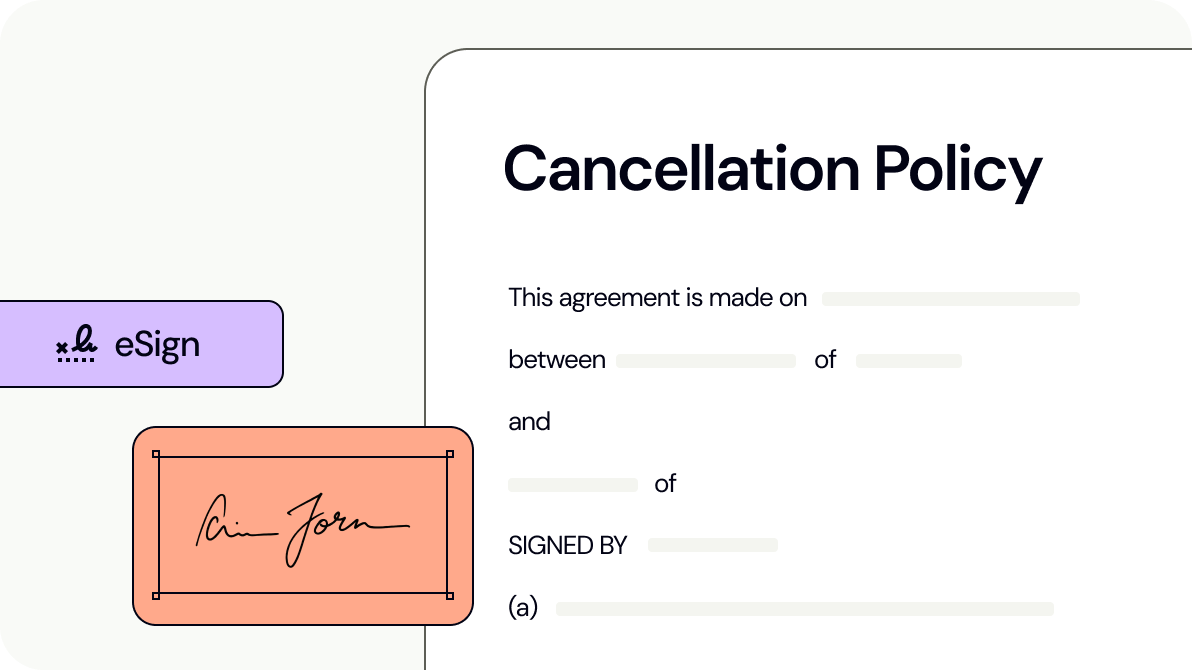
A Cancellation Policy explains who may cancel appointments and the terms and conditions under which they can do so.
Last updated January 13, 2025
Suitable for Australia
Create & Customise Legal Templates Online
What is a cancellation policy?
What is a cancellation policy?
When should you use a cancellation policy?
When should you use a cancellation policy?
What should be in a cancellation policy?
What should be in a cancellation policy?
How to create a legal document
- check_circle
Access the Document Library
- check_circle
Select the template that matches your needs
- check_circle
Customise by adding or removing clauses with assistance from Lawpath AI
- check_circle
Personalise with your headers, footers, logos, or additional text
- check_circle
Store all documents securely in your account for easy access
Frequently asked questions
Who can benefit from this document?
keyboard_arrow_upWhat protections does this policy offer my business?
keyboard_arrow_upAre there any legal risks with using this policy?
keyboard_arrow_upHow should I communicate this policy to clients?
keyboard_arrow_upWhat are reasonable cancellation fees?
keyboard_arrow_upAre there circumstances where cancellation fees should be waived?
keyboard_arrow_upWhat details must I confirm before using this policy?
keyboard_arrow_upView Sample Cancellation Policy
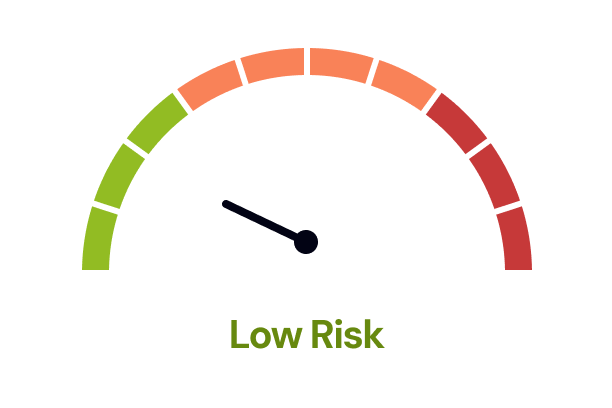
The Legal Risk Score of a Cancellation Policy Template is Low
Our legal team have marked this document as low risk considering:
- Users should be aware that cancelling or rescheduling an appointment without providing the required minimum notice could incur cancellation fees, which may lead to unexpected costs.
- The policy imposes a strict requirement for advance notice, limiting flexibility for users who may need to cancel or reschedule due to unforeseen circumstances closer to the appointment date.
- The policy specifies that cancellations must be made either by phone or email, which could be restrictive if these communication channels are inaccessible or if there are technical issues preventing timely notice.
Meet Our Users
Articles about Cancellation Policy

How Businesses Can Manage COVID-19 Cancellations
The COVID-19 pandemic has meant a sharp rise in cancellations. Find out how your business should handle cancellations and the legal requirements involved.

Are Cancellation Fees Legal?
Concerned about losing money because clients fail to show up to appointments? Learn about when you can charge cancellation fees here.

Cancellations and COVID-19: Can I Get a Refund?
Many events, flights and plans have been cancelled due to the COVID-19 pandemic. Find out here if you're entitled to a refund.

Company Has Close Shave with Unfair Contract Terms
Does your company involve consumer or small business contracts? Read our legal guide to avoid landing in a hairy situation with unfair contract terms!
Grounded: Are Airlines Flying Above The Law?
Are Australian airlines ripping you off?

Refunding Digital Games - The Saga Continues
Ensure your business is legally compliant. Under the ACL, if you're selling online you need to have a Website Terms and Conditions of Use.

Are Non-refundable Deposits Legal?
Non-refundable deposits can be a little tricky to understand. Businesses should be aware of how they work and what it means if you intend to use them.
How to get out of a Phone Contract
Excited about the release of a new iPhone but stuck in a plan? Here are some things to consider to get that new phone.
Automatic Renewal Clauses: An Explainer
Automatic renewal clauses are bordering into an unfair contract. Find out what you need to know and look out for in this article before you sign anything.
Looking for more documents?
Privacy Policy
A Privacy Policy outlines how your business will use, store and collect your customers' information. A Privacy Policy is required by law in certain circumstances.
Loan Agreement
This Loan Agreement can be used by lender when offering a loan to a Borrower.
Non-Disclosure Agreement (Mutual)
A Non-Disclosure Agreement (Mutual) allows you and another party to share confidential information while legally forbidding either party from disclosing that information to any other person or entity.
Non-Disclosure Agreement (One Way)
A Non-Disclosure Agreement (One Way) allows you and another party to share confidential information while legally forbidding the other party from disclosing that information to any other person or entity.
Website Terms and Conditions of Use (Services)
This Website Terms and Conditions of Use (Services) document is specifically tailored for websites selling services.
Business Sale Agreement
A Business Sale Agreement is used to clearly set out all relevant terms of the sale when selling or buying a business.
Shareholders Agreement
A Shareholders Agreement allows you to clarify the relationship between shareholders of your company.
Services Agreement (Pro-Supplier)
This Services Agreement (Pro-Supplier) sets out the relationship between you, the service provider, and the business receiving the services. This version of the Services Agreement is drafted in favour of the supplier from a commercial and legal perspective.