
Letter of Intent
A Letter of Intent (LOI) is a document signed between two parties when they wish to commence formal negotiations.
Last updated October 23, 2025
Suitable for Australia
Create & Customise Legal Templates Online
Is a letter of intent a legal contract?
Is a letter of intent a legal contract?
No, a letter of intent is not usually a legal contract. It's a preliminary document setting out the framework for negotiations, not a finished agreement, so most terms aren't meant to create binding obligations.
Specific clauses, like confidentiality or exclusivity, can still bind you if the wording says so clearly. Whether it counts as a contract comes down to what it says, not its title.
Is a letter of intent legally binding in Australia?
Is a letter of intent legally binding in Australia?
Generally, no, a letter of intent is not legally binding in Australia, except for specific clauses marked as binding, like confidentiality or exclusivity.
Courts look at what the parties actually intended, not just what the document is called, so one written like a finished contract can end up binding even without that label. Keep non-binding parts clearly marked as non-binding if that's what you want.
Does a letter of intent need to be signed?
Does a letter of intent need to be signed?
Yes, a letter of intent needs to be signed by both parties to function as intended, even though most of its terms aren't legally binding.
Signing shows both sides genuinely agreed to the framework it sets out, which matters if a dispute later arises about what was actually discussed. An unsigned letter of intent carries far less weight as evidence of what the parties intended.
How to create a legal document
- check_circle
Access the Document Library
- check_circle
Select the template that matches your needs
- check_circle
Customise by adding or removing clauses with assistance from Lawpath AI
- check_circle
Personalise with your headers, footers, logos, or additional text
- check_circle
Store all documents securely in your account for easy access
Frequently asked questions
Do I need a letter of intent for a business purchase or acquisition?
keyboard_arrow_upCan I use a letter of intent for any type of negotiation?
keyboard_arrow_upHow does a letter of intent protect my confidential information?
keyboard_arrow_upWhat are the main risks of using a letter of intent?
keyboard_arrow_upWhat happens if negotiations break down after signing a letter of intent?
keyboard_arrow_upWhat's the most common mistake businesses make when using a letter of intent?
keyboard_arrow_upHow does a letter of intent differ from a memorandum of understanding?
keyboard_arrow_upWhat's the difference between a letter of intent and a heads of agreement?
keyboard_arrow_upHow do you write a letter of intent?
keyboard_arrow_upWhat steps should I take after signing a letter of intent?
keyboard_arrow_upHow long does it take to create a letter of intent?
keyboard_arrow_upHow much does it cost to get a letter of intent, template versus a lawyer?
keyboard_arrow_upView Sample Letter of Intent
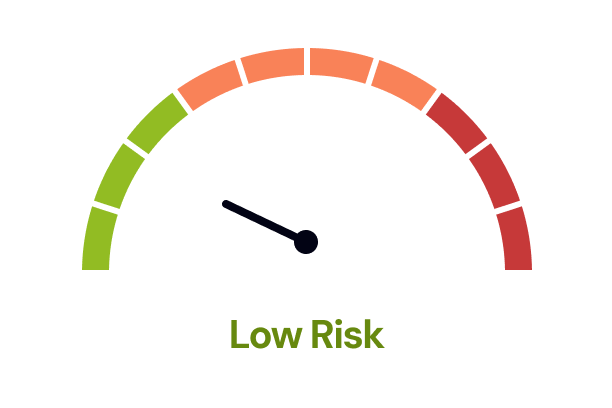
The Legal Risk Score of a Letter of Intent Template is Low
Our legal team have marked this document as low risk considering:
- The document outlines that the terms within the Letter of Intent are not intended to be legally binding except where explicitly stated, which implies there is a risk that commitments made during this stage might not be enforceable.
- Each party bears its own costs related to the negotiation and drafting of the Proposed Agreement, regardless of whether the agreement proceeds, which could result in financial loss if the agreement does not materialize.
- The Letter of Intent includes a clause that allows either party to terminate negotiations at any time without explanation, which introduces uncertainty and the potential for abrupt cessation of discussions without recourse.
Meet Our Users
Articles about Letter of Intent

Memorandum Of Understanding vs Letter Of Intent Differences
A memorandum of understanding and a letter of intent differ largely in regards to their legality. Read our article to find out which one you need.

What to Include in a Memorandum of Understanding
Not sure what a Memorandum of Understanding is, or what you should include? This guide will help clarify some questions you might have.

How to Write a Business Proposal Letter
Learn how to write an efficient business proposal letter that will kickstart your business idea.

What Is An Engagement Letter?
Raja Abbas Content Writer Based in Sydney, Raja is a law student enrolled in a Bachelor of Laws and Bachelor of Communications (Writing and Publishing) at the University of Technology Sydney. He is passionate about transferring knowledge in relation to businesses, legal advice and marketing direction. Raja has experience working in immigration law and is […]

How to Write a Business Proposal Letter (2025 Update)
Ready to start reaching out to people about your new business? Read this article to find out what a successful business proposal letter looks like

How To Write an Expression of Interest When Filing Tender
Learn how to prepare and issue an Expression of Interest (EOI) request in Australia with clear steps, templates, and legal compliance tips.

MOU vs Contract: When to Use Which
A memorandum of understanding (MOU) can be a great asset to contract negotiation. Here are our tips on when to use one and what to avoid when drafting it.

Free Memorandum of Understanding: Create Yours Now
Learn more about what a memorandum of understanding is and what should be included in this document. Create your own for free on LawPath today!

Contract Negotiation: How to Protect Your Business
Read this article to learn about contract negotiation, your guide to closing the deal and protecting your business.
Looking for more documents?
Privacy Policy
A Privacy Policy outlines how your business will use, store and collect your customers' information. A Privacy Policy is required by law in certain circumstances.
Loan Agreement
This Loan Agreement can be used by lender when offering a loan to a Borrower.
Non-Disclosure Agreement (Mutual)
A Non-Disclosure Agreement (Mutual) allows you and another party to share confidential information while legally forbidding either party from disclosing that information to any other person or entity.
Non-Disclosure Agreement (One Way)
A Non-Disclosure Agreement (One Way) allows you and another party to share confidential information while legally forbidding the other party from disclosing that information to any other person or entity.
Business Sale Agreement
A Business Sale Agreement is used to clearly set out all relevant terms of the sale when selling or buying a business.
Shareholders Agreement
A Shareholders Agreement allows you to clarify the relationship between shareholders of your company.
Services Agreement (Pro-Supplier)
This Services Agreement (Pro-Supplier) sets out the relationship between you, the service provider, and the business receiving the services. This version of the Services Agreement is drafted in favour of the supplier from a commercial and legal perspective.
Discretionary Trust Deed
A Discretionary Trust Deed is used to establish a discretionary trust in any state or territory in Australia.