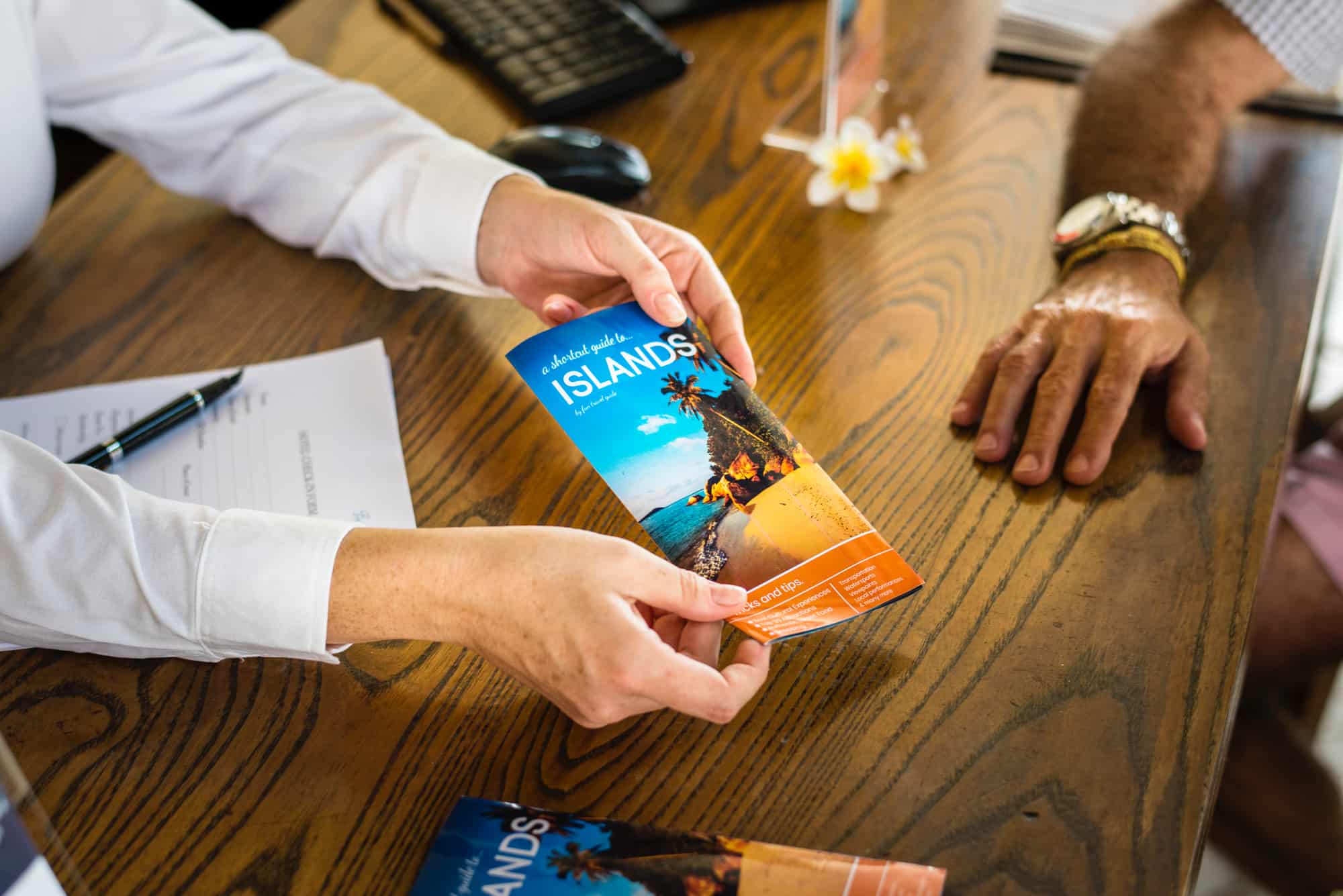
Travel one of the world’s largest and most lucrative industries. Indeed, travellers and tourists more often than not want a customised experience where they can see all the sights with an experienced and knowledgeable guide at the helm. In this article, we’ll tell you how you can start your own tour operator business.
For more business ideas, be sure to check out our comprehensive online list.
1. Register your business
When starting any type of business, you need to decide what structure it will take and then register it. In Australia, there are 3 general business types. These include sole traders, partnerships and companies. Being a sole trader means you have to register for an Australian Business Number (ABN) and that your business’s profits will form part of your individual income (and be taxed individually). A partnership is similar in terms of income and tax, except that you’ll be sharing your proceeds and liabilities with your business partner. Finally, a company structure means that your business will function as a separate legal entity and you’ll be taxed under lower corporate rates. With a company structure, you’ll also be able to choose your company’s name.
2. Find your niche
Tour operators normally market themselves by having a distinguishing feature. This can include things such as low cost, eco-friendly, outdoor oriented, amongst many other things. Figure out what it is that will make your tour operator business unique and build your business plan around it.
3. Do a competitor analysis
It’s true that the travel industry is a saturated market, but that doesn’t mean you still can’t find success in it. Undertake a competitor analysis to see what your competitors are doing and how you can be better. Travellers often base their choices on factors such as cost, reviews, inclusions and physical fitness ratings.
4. Get insured
Operating tours for sightseers means you’ll also have multiple people in your business’s care at any one time. To mitigate the risks this involves, it’s important to obtain insurance. You’ll want to be covered if any customers get injured on your tour, or if their property gets damaged. Although you can’t always control what happens on your tours, you can protect yourself and your business.
Conclusion
Being a tour operator means you can explore what your country has to offer, whilst helping others discover it. In addition to developing your local knowledge, you’ll also need to ensure your business complies with national rules and regulations. If you have further questions about starting your business, you may want to contact a business lawyer.