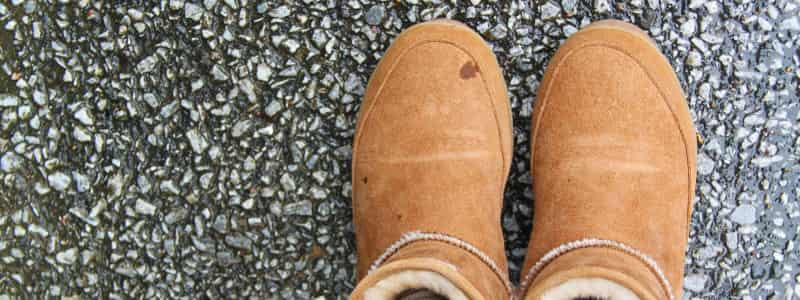
Recently, an Australian business owner was ordered to pay $643,000 for selling ugg boots in the US market as ‘UGG Australia”. This was because it was a Trademark he did not own. The owner of the Trademark, US footwear giant Deckers, brought a claim against him for selling 12 pairs of uggs and 2 pairs socks in 2014-16. The US Giant owns the Trademark ‘UGG Australia’ in over 130 countries. This has been the case since 2006, despite the fact that Uggs were not invented in the US.
In a battle that lasted over 2 years, Eddie Oygur, founder of Australian Leather, fought the $6 billion dollar giant. His stance was that the case was unfair against Australian businesses as they are unable to expand outside Australia. He called for the Government, the ACCC and the Australian public to take action and protect this local creation.
The Effect of the Trademark
Since Decker’s acquisition of the Trademark ‘UGG Australia”, Mr. Oygur claims that his business has lost the chance to sell over 200,000 uggs per year. This is simply because he cannot sell his uggs as ‘UGG Australia’ outside Australia. He claims that the total loss his business made because of the Trademark restriction is at least $20 million.
Australian Leather’s Trademark Breach
When Mr. Oygur advertised his locally made ugg boots, that had no association with the Deckers brand as ‘UGG Australia’ online, he wilfully infringed the Trademark. Or so the US jury found a few days ago. As a result, Mr. Oygur was ordered to pay almost $650,000 in damages to Deckers, although Australian Leather only made $2000 in sales from the 12 Ugg boots. This figure excludes the $1.25 million Oygur has already spent on court and lawyer fees and the millions more he may spend on appeal.
Trademark Law
The reason Deckers took action in 2016 was on the basis that Australian Leather had sold products in the US using a Trademarked term that did not belong to them. As the owner of the Trademark in the US and another 129 countries, Deckers may pursue anyone who unlawfully uses their Trademark to sell products in those 130 countries. Deckers have the exclusive right to brand their products as ‘UGG Australia’ and to any stores or partners, they supply to.
Key Takeaways for Businesses
The key learning from this case for businesses is that it is important to check for Trademarks, especially if you’re looking to sell your products online. They can be a very expensive mistake for a business, even if it was done by accident. It is always best to conduct a Trademark search before you start advertising your products, both in Australia and overseas. Breaching an Australian Trademark also has similar consequences to the US and could lead to hefty fines.
Another learning for businesses here is that it is useful to invest resources into registering Trademarks. In Australia, as the owner of a Trademark, you have:
- An exclusive right to use the Trademark
- The right to allow other persons to use your Trademark
- The right to relief if your Trademark has been unlawfully used
Not only do you have the legal rights to the Trademarked term, but it is also a great way to market your product. You would have an exclusive and unique name, logo, picture or sound that represents your products or services.
If you have any questions about Trademarks or think your Trademark may have been infringed, speak with a Trademark Lawyer to know your rights and take further steps. Or if you would like to register your very own Trademark, LawPath can also help you find a suitable lawyer at the right price.