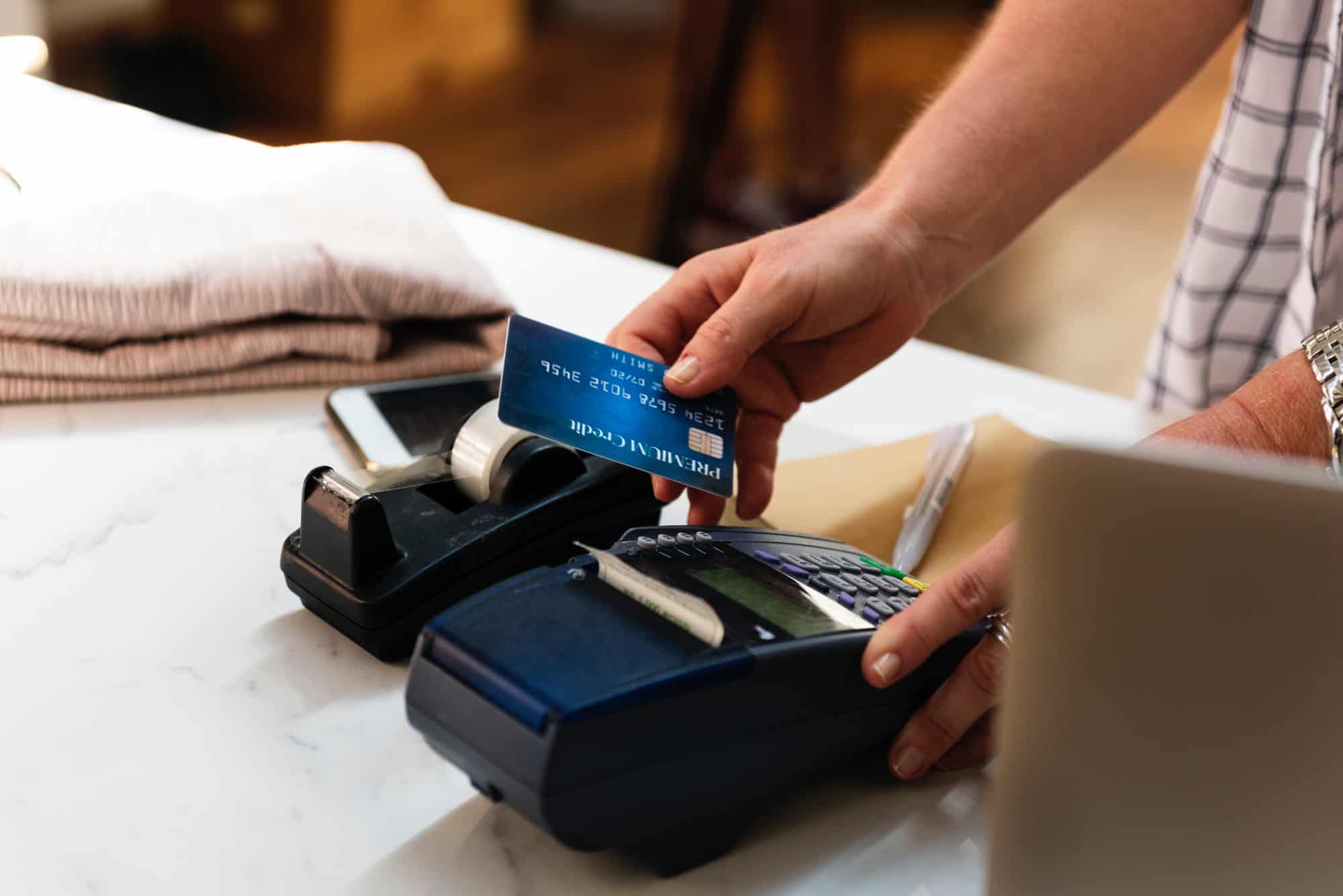
Want that item, but can’t afford the entire payment upfront? Don’t want to use your limited cash on products you can’t afford? Found the best bargain but waiting until your next pay day? Entering into a lay-by agreement with the retailer will give you the option to pay off the price in instalments before taking the product home. It will simply allow you to grab a bargain without having to pay it all straight away.
By providing the freedom to make payments over an extended period of time, lay-by services have now become a desired payment plan solution for many. Consequently, it is essential for you to understand the way in which a lay-by agreement operates.
What is a Lay-by Agreement?
An agreement will be a lay-by agreement if you:
- Pay for the products in three or more instalments (when the agreement is called a lay-by), or
- Pay for the products in two instalments (when the agreement is not specifically called a ‘lay-by’), and
- Do not receive the products until the full payment has been made.
It is important to note that firstly, you and the seller must agree on a fixed price and payment conditions. Then, the seller must hold the products until the you finalise the payments. Lastly, the seller can’t charge you any interest on the outstanding debt.
Terms and Conditions
You are always entitled to a copy of the agreement if you enter into a lay-by agreement. Moreover, the seller must make sure that you understand the terms and conditions of the agreement. Even if it is an online marketplace, the website must contain terms and conditions of use that clearly explain acceptable methods of payment and refund policies.
Additionally, a copy of your written agreement should contain the following:
- The cost of the products
- The deposit paid by the customer
- The expiry date of the lay-by
- Details about the termination and refund policies
Cancellation of Lay-by Agreements
You, the consumer may terminate the lay-by agreement at any time before the delivery of the goods. The seller however, can charge termination fees to cover costs that can be proven, but only if the fees have been written into the agreement.
The seller, on the other hand, can only terminate a lay-by agreement if:
- You have broken the agreement, for instance, by failing to pay instalments
- They close down
- The product that you want is no longer available for reasons they can’t control
Some Helpful Tips
Initially, it is essential for you and the retailers to understand the pros and cons of using ‘buy now, pay later’ services like lay-by. Then, if you decide to use such a payment plan, always read and understand the terms and conditions of the agreement before signing the agreement or paying your deposit. Next, keep copies of the agreement and receipts for the deposits in case there is a problem in the future. Finally, if you have a problem with the lay-by agreement, try resolving it with the seller first and if it’s still not right consider getting some legal advice about what options are available to suit your circumstances.
Connect with one of our consumer lawyers to better understand the way in which a lay-by agreement works and further clarification on national rules for lay-by agreements.
For more information on lay-agreements visit the ACCC website.