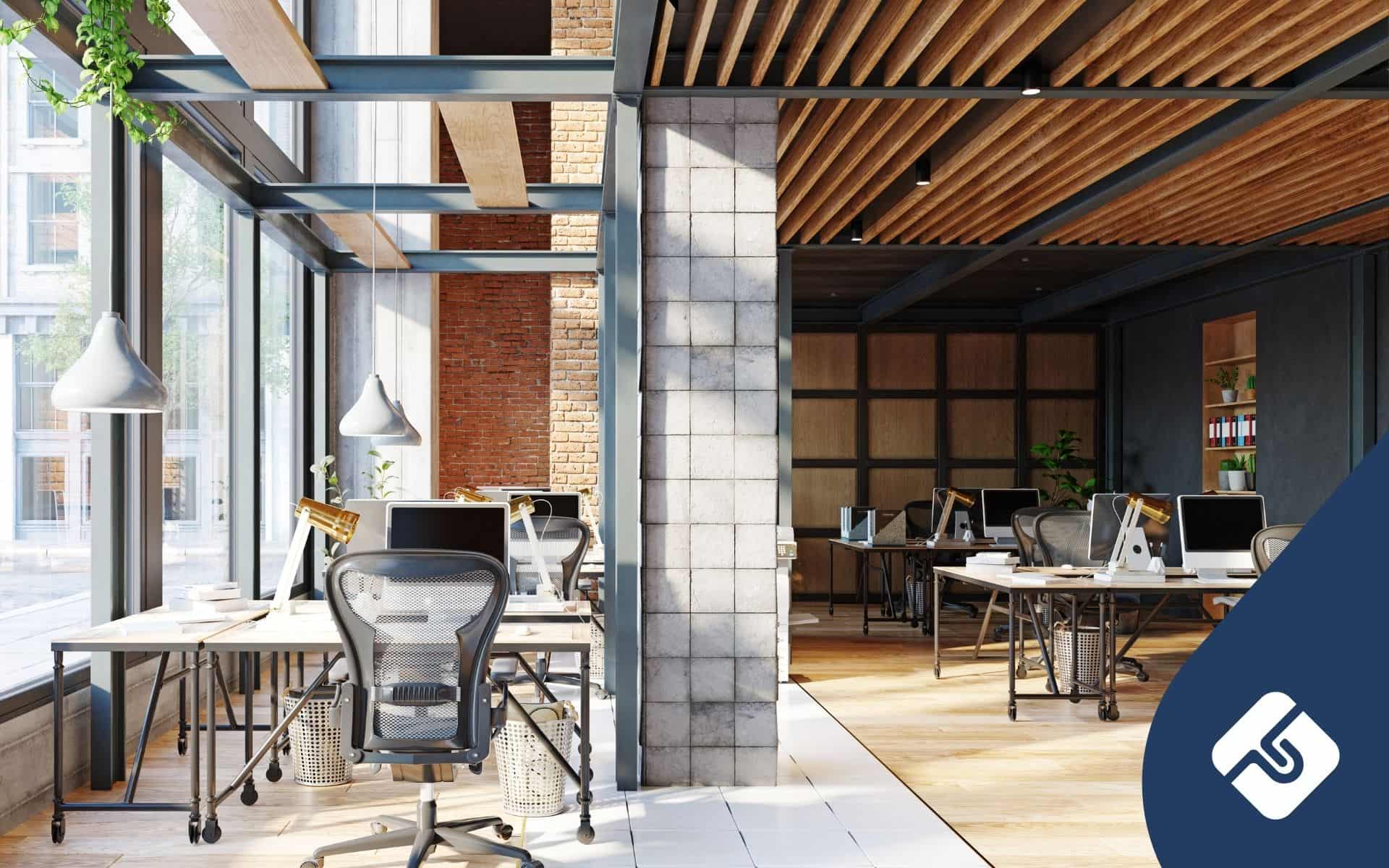
Amidst a global pandemic, employers were quick to usher in change in the workplace. Working from home quickly became the new norm and is still in place in most businesses. However, as at the time of writing, restrictions have begun to ease in all states and territories of Australia. This begs an important question for employers: can employees be directed to come into work?
Employer rights and obligations
Employers have several legal rights as well as obligations to their employees. The majority of these are covered under workplace policies and employment agreements.
Employees must follow directions
The general law says that employees have a duty to follow all lawful and reasonable directions made by their employer. This term has been implied into employment contracts over the years, and is largely seen as a remnant of ‘servant’ relationships from the UK.
Nowadays, the Fair Work Regulations 2009 (Cth) also prohibits ‘serious misconduct’. The regulations define serious misconduct to mean several things, one of which is the failure of an employee to ‘carry out a lawful and reasonable instruction that is consistent with the employee’s contract of employment.’
Employers are responsible for the safety of employees
Similarly, all employment contracts contain implied terms that a workplace, as far as practical, will be safe for employees. This applies even when employees are working from home.
What if an employee wants to stay home?
A workplace must be safe before employees can be directed to come into work. In today’s climate, this means appropriate methods to stop the spread of COVID-19. Also, the request must be lawful and reasonable. If an employee and employer agree that the workplace and the travel to work is safe, then an employee can be directed back into work.
With the current health crisis caused by COVID-19, there may be those who would prefer to stay at home. As restrictions begin to ease, an employer could very well direct employees to come back into work even if an employee thinks it’s unsafe to do so. The law always has a certain degree of flexibility and variability. In this instance, it may be unreasonable – even with appropriate preventative methods such as increased sanitation in the work place and enforced social distancing – to request an employee who is in a high-risk category for COVID-19 to come back into work.
Employment contracts inherently imply that people are hired to do work. If a person is unable to complete the work effectively from home, and does not comply when directed to come into work, there may be grounds for termination after three months.
Alternative arrangements
After discussions, an employer an employee can agree to continue work from home methods. This depends heavily on whether it would be inappropriate for the employee to come back into work and whether the work can be done effectively at home. An employee can take paid or unpaid leave if work cannot be performed from home.