
Confidentiality Agreement (Mutual)
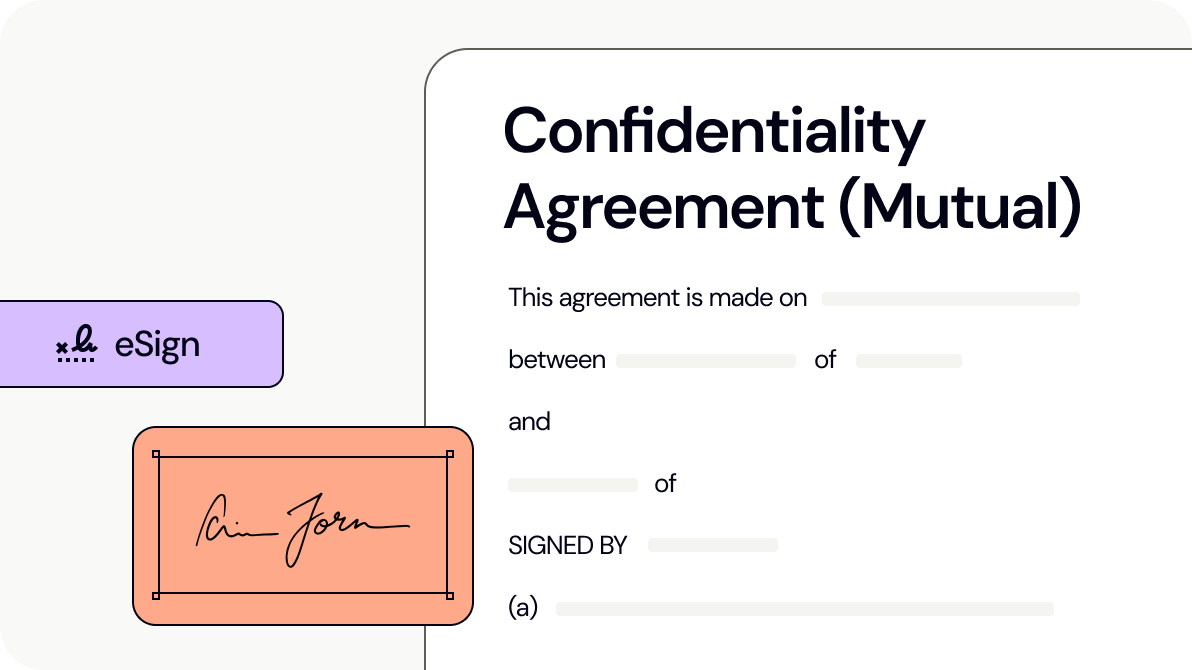
This Confidentiality Agreement (Mutual) allows you and another party to share confidential information while legally forbidding the other party from disclosing that information to any other person or entity.
Last updated February 24, 2025
Suitable for Australia
Create & Customise Legal Templates Online
What is a confidentiality agreement (mutual)?
What is a confidentiality agreement (mutual)?
A confidentiality agreement (mutual) is a legal contract where both parties agree not to disclose each other's confidential information to third parties.
It protects sensitive information shared during a business relationship, such as a collaboration, partnership or ongoing negotiation, where both sides have something confidential to lose if it got out.
Is a confidentiality agreement (mutual) legally binding?
Is a confidentiality agreement (mutual) legally binding?
Yes, a confidentiality agreement (mutual) is a binding contract once both parties sign it with a genuine intention to be bound.
Each side's confidentiality obligations are enforceable, and breaching them can expose the breaching party to a claim for damages or an injunction, provided the confidential information was clearly defined in the agreement.
Is a confidentiality agreement (mutual) enforceable outside Australia?
Is a confidentiality agreement (mutual) enforceable outside Australia?
It can be, but enforceability overseas depends on the laws of the other country and whether the agreement specifies a governing jurisdiction that a foreign court will actually recognise.
For cross-border arrangements, it's worth confirming how enforcement would actually work in the other party's country before relying on the agreement alone.
How to create a legal document
- check_circle
Access the Document Library
- check_circle
Select the template that matches your needs
- check_circle
Customise by adding or removing clauses with assistance from Lawpath AI
- check_circle
Personalise with your headers, footers, logos, or additional text
- check_circle
Store all documents securely in your account for easy access
Frequently asked questions
What's the difference between a confidentiality agreement and a non-disclosure agreement?
keyboard_arrow_upWho should sign a confidentiality agreement (mutual)?
keyboard_arrow_upWho is a confidentiality agreement (mutual) suitable for?
keyboard_arrow_upWhat types of information can a confidentiality agreement (mutual) protect?
keyboard_arrow_upHow long does confidentiality last under a confidentiality agreement (mutual)?
keyboard_arrow_upWhat protections does a confidentiality agreement (mutual) offer if there's a breach?
keyboard_arrow_upWhat's the most common mistake businesses make with a confidentiality agreement?
keyboard_arrow_upWhat steps should I take after signing a confidentiality agreement (mutual)?
keyboard_arrow_upHow long does it take to create a confidentiality agreement (mutual)?
keyboard_arrow_upHow much does it cost to get a confidentiality agreement (mutual), template versus a lawyer?
keyboard_arrow_upView Sample Confidentiality Agreement (Mutual)
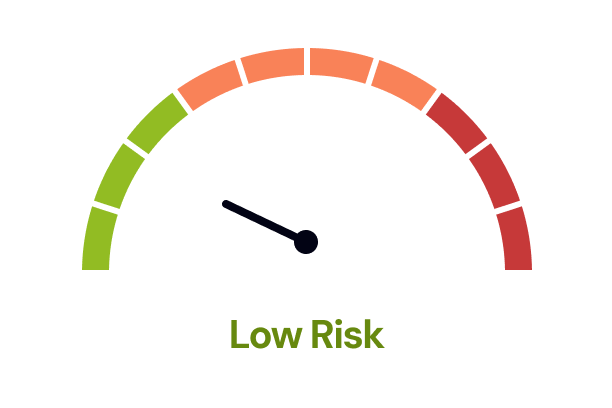
The Legal Risk Score of a Confidentiality Agreement (Mutual) Template is Low
Our legal team have marked this document as low risk considering:
- There is a risk that confidential information may be inadvertently disclosed by one party, potentially leading to financial or reputational damage.
- Information might be wrongly classified as non-confidential, either due to misunderstanding or oversight, which could lead to unauthorized use or disclosure.
- The agreement specifies a jurisdiction that will govern the agreement and handle disputes, which might not be favorable or convenient for all parties involved, potentially leading to complications in legal proceedings.
Meet Our Users
Articles about Confidentiality Agreement (Mutual)

3 Things to Do After Completing Your NDA (Mutual)
A mutual NDA will prevent both parties from leaking confidential information. Find out what to do after completing your NDA (mutual) here.

Should You Use A Mutual or One-Way NDA? (2025 Update)
As a business owner, it's important to protect your confidential information in every context. Find out the difference between one way and mutual NDAs here.

How to Define Confidential Information in NDAs
Defining NDA Confidential Information correctly. Here's why it's important.

5 Common Mistakes Startups Make When Using NDAs
Learn about common mistakes you should avoid when using a Non-Disclosure Agreement.

Can I Enforce an NDA Overseas?
Want to keep your business information confidential when working with overseas parties? This article explains how to enforce an overseas NDA.

Top 5 Enforceability Issues For NDAs
There are many instances where an NDA won't be enforced - here's how to make sure it holds up.

What to Do If NDA Information Is Breached
Signing an NDA means that you're obliged not to disclose any sensitive information, but what if you breach an NDA and it's not exactly your fault?

What Happens if an NDA Is Breached?
NDAs can be a great way to prevent someone from disclosing sensitive information about your business. But what can you do if your NDA is breached?

6 Ways Your Business Can Protect Its Trade Secrets
Find out how to protect your Trade Secrets here.
Looking for more documents?
Privacy Policy
A Privacy Policy outlines how your business will use, store and collect your customers' information. A Privacy Policy is required by law in certain circumstances.
Loan Agreement
This Loan Agreement can be used by lender when offering a loan to a Borrower.
Non-Disclosure Agreement (Mutual)
A Non-Disclosure Agreement (Mutual) allows you and another party to share confidential information while legally forbidding either party from disclosing that information to any other person or entity.
Will
A Will is an essential document as part of your estate plan. This Will cannot be e-signed.
Non-Disclosure Agreement (One Way)
A Non-Disclosure Agreement (One Way) allows you and another party to share confidential information while legally forbidding the other party from disclosing that information to any other person or entity.
Website Terms and Conditions of Use (Services)
This Website Terms and Conditions of Use (Services) document is specifically tailored for websites selling services.
Business Sale Agreement
A Business Sale Agreement is used to clearly set out all relevant terms of the sale when selling or buying a business.
Contractor Agreement (Individual)
The Contractor Agreement (Individual) allows you to hire a contractor that is an individual (ie. not a company).