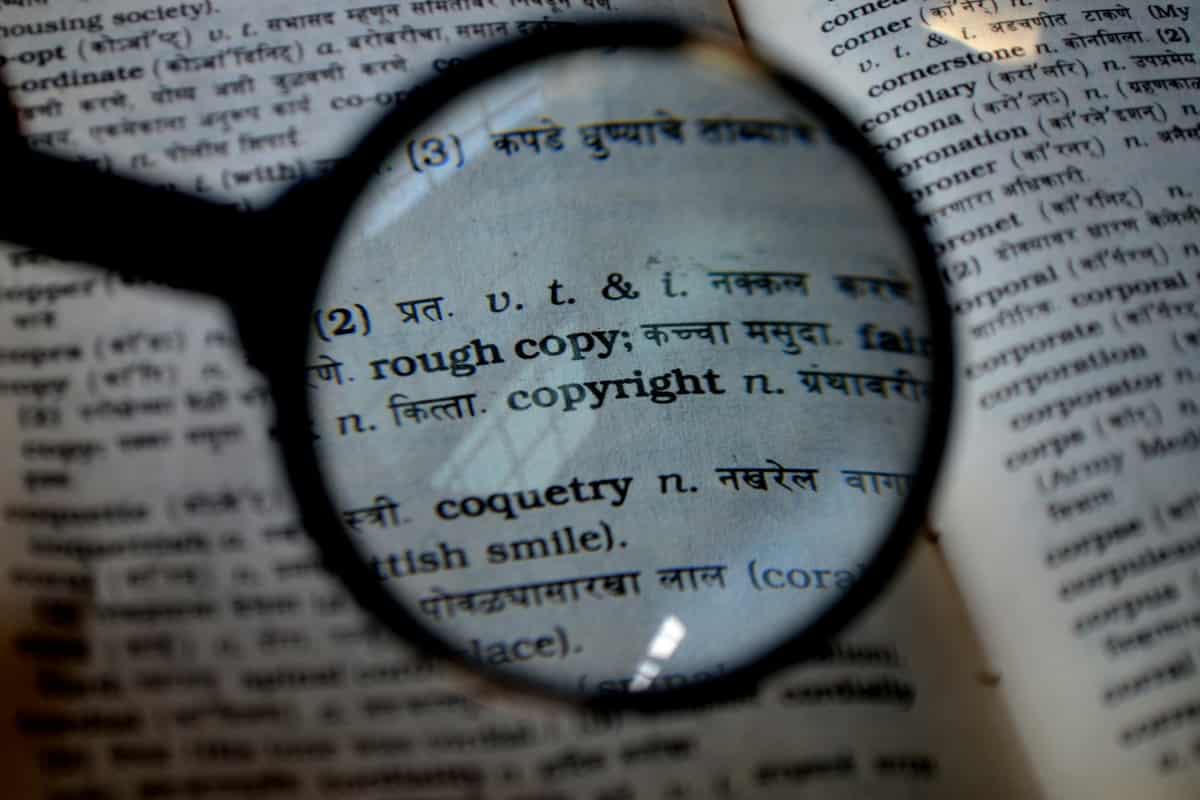
A business can be subject to copyright protection if it intends to give exclusive rights to reproduce, commercialise and give recognition to the original creator. If your work is in literary, artistic or musical form it is subject to copyright protection. For example, blog posts, website content and photographs.
Copyright intends to protect the expression of the idea. Your work will automatically apply if it falls within the copyright categories subject to Copyright Act 1968 (Cth). Here are a few key points that all business owners should know when running a business.
How can my Business use Copyright Protection?
When your business creates an original material, copyright protection is automatic. You can claim copyright over your material through the simple use of © at the end of your work followed by your business name and year of first publication. This symbol signifies that your business claims copyright. However, as an individual in a business, you will need to put your individual name rather than the business name. For further guidance on using copyright protection, the information can be found through the Australian Copyright Council Information Sheet.
Is my Business Name automatically Copyright Protected?
Unlike the creation of materials, your business name is not eligible for copyright. This means that registration of a business name does not give you trademark rights. The consequences of using someone else’s business name as your trademark will leave you open for potential legal action. Therefore, you must check for the availability of your chosen business name using the Business Government Name Check Tool. Subsequent to the availability search, you must also check if there are any conflicting trademarks your business is using via the TradeMark Assist Tool. Following this, your business is subject to copyright protection and should seek to apply to register your trademark.
What does Copyright Protect in a Business?
It is tempting to now label almost everything in your business under copyright protection. However, copyright is not always so accomodating in a business. To put simply, copyright protection does not extend to independent creations of a similar work. For example, if your business develops the code to a software program designed for one specific purpose and another individual develops a different code with the same purpose as your business. However, it is copyright if the original code is identical to your software.
Further, if your business develops a product that is two-dimensional – it may be subject to registration under designs and copyright. But, any product that is industrial and three-dimensional will lose its copyright due to overlap in design and copyright laws.
Conclusion
Subsequently, you should be aware of any potential copyright liability that your business may be exposed to when starting a business and developing any products. Knowing how your business may be affected is crucial to avoiding liability upon yourself and other businesses, both domestically and internationally. It is advised that an application for an intellectual property agreement will be beneficial as it allows you to assign intellectual property rights for your business.