
Dominic is the CEO of Lawpath, dedicating his days to making legal easier, faster and more accessible to businesses. Dominic is a recognised thought-leader in Australian legal disruption, and was recognised as a winner of the Australian Legal Innovation Index and recently a winner of the LexisNexis 40 Under 40 (APAC).
More work for the Australian Competition and Consumer Commission (ACCC)
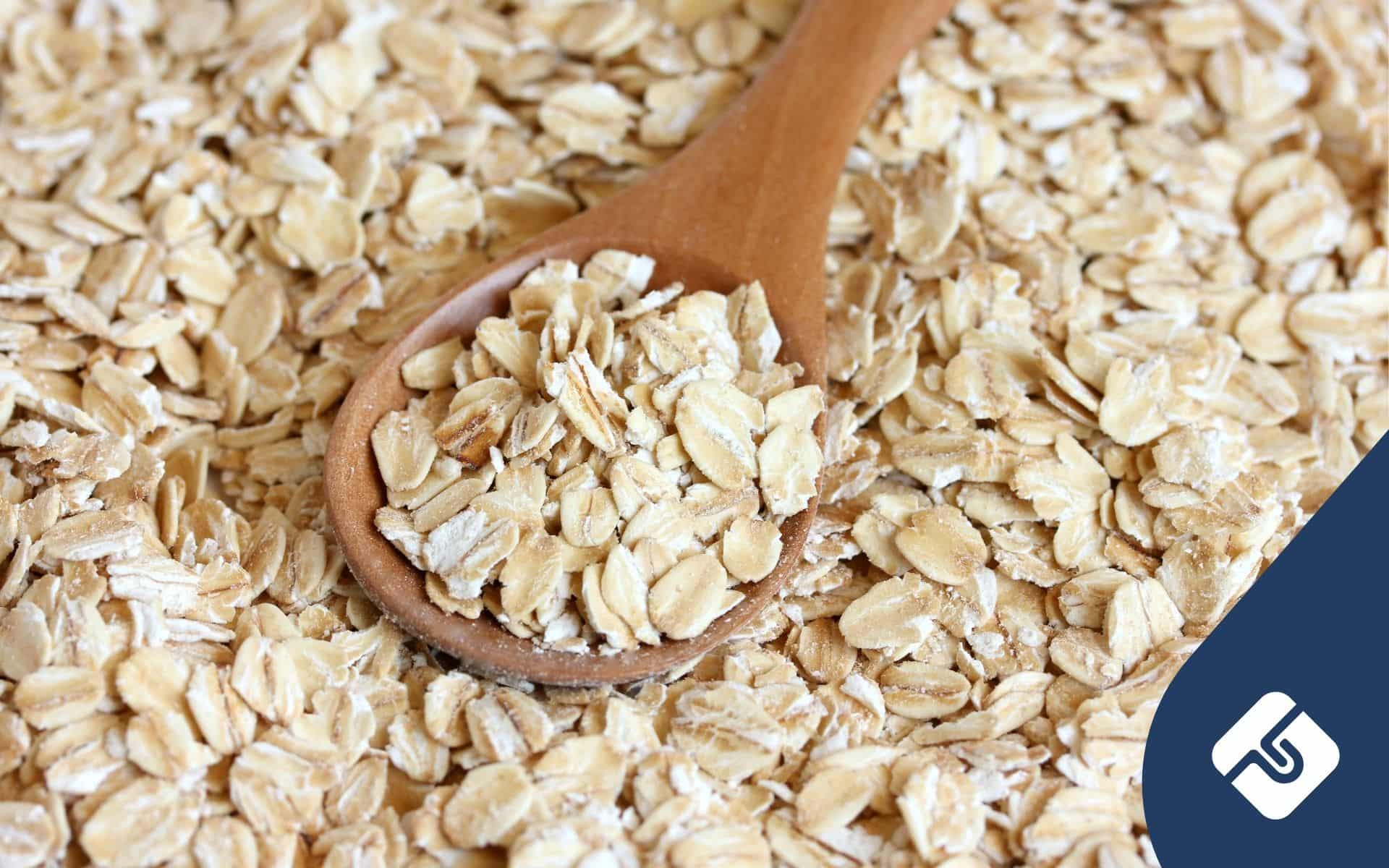
The ACCC has been extra busy of late on cracking down on misleading and deceptive conduct in regards to food products. Its latest crackdown concerned our favourite Australian breakfast, enjoyed on a seldom winter’s morning when it is too cold to enjoy a bowl of weetbix. The false representation made by Uncle Tobys concerned the protein content of their oats. Firstly, the ‘quick sachets’ oats states that the uncle toby’s oats are a natural source of Protein* superfood. Secondly, the ‘traditional oats’ contained the statement Naturally rich in Protein* Superfood. Above the word protein a disclaimer was added where the fine print stated “when prepared with ½ a cup of skim milk”. This was printed on both packages. Clearly the devil is in the detail.
What was the legal shortfall of Uncle Tobys?
The Australian Consumer Law (ACL) is the key piece of legislation that governs consumer conduct in Australia. Section 18 of the ACL provides that it is unlawful for a person in trade or commerce to engage in misleading or deceptive conduct. Recently, the ACCC has been vigilant in this area of law, notably in the instance where Arnotts shapes were found to engage in misleading or deceptive conduct for false representations about the saturated fat content of their snacks. The days of buyer beware are long behind us!
Why did the ACCC find a breach of the ACL?
Alhough the ACCC considered oats to bring some health benefits to consumers, the ACCC based their infringement notice on the grounds that the words ‘natural’ assumes that high a level of protein should be found in the oats without the application of half a cup of skim milk. This is a win if for those customers who enjoy their oats without milk. Additionally, the placement of the word “Protein” in bright yellow on the centre of the packaging further supported the ACCC’S argument that Uncle Tobys was engaging in misleading or deceptive conduct. The outcome of the ACCC’s finding was a $32,400 fine imposed on Uncle Tobys.
The truth, the whole truth and nothing but the truth
The consequences of the recent crackdown on misleading or deceptive information located on packages are wide ranging. It shows the willingness of the ACCC to crackdown on big business who are trying to promote their products relying on small disclaimers in the fine print. Essentially, where a disclaimer in the fine print does not and cannot overthrow the dominant perception created by the presentation of the packaging this will be misleading or deceptive conduct. Consumer protection has been taken far beyond what it once was which again shows the shift from the old concept of buyer beware to a more customer friendly perception. This is clearly a priority for the ACCC.
This action by the ACCC illustrates that exaggeration of health benefits is no longer acceptable. This leads us to consider, what could be next? Kale, quinoa or cacao? look out you so-called superfoods the ACCC is cracking down! Watch this space!
Let us know your thoughts on the ACCC and misleading or deceptive conduct by tagging us #lawpath or @lawpath