If you don’t record every moment of a live performance, how will anyone know you were even there?
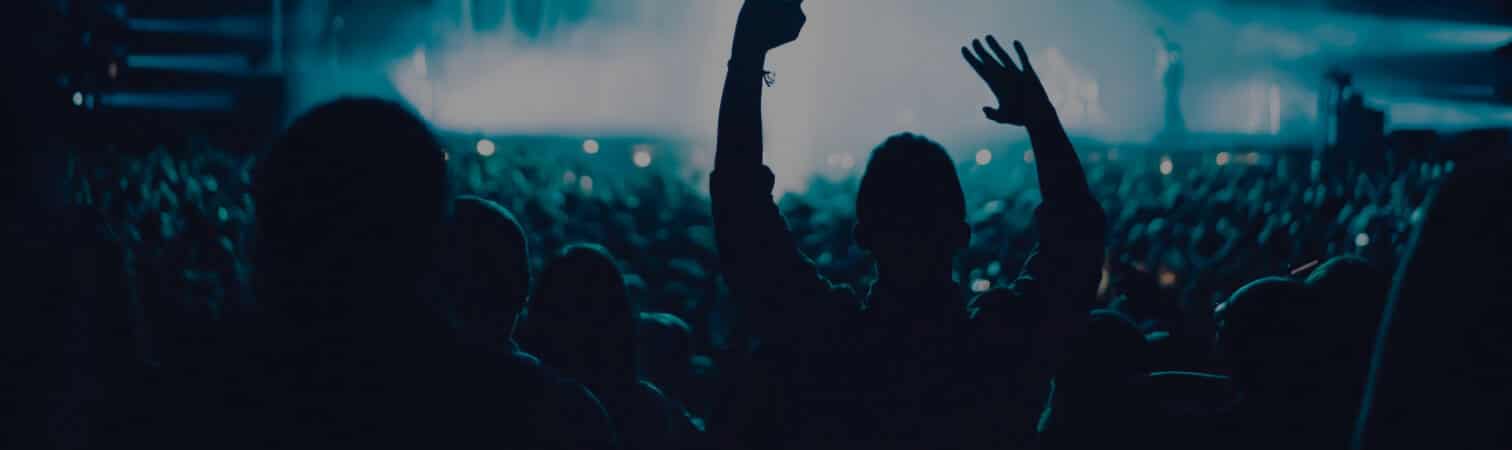
Whether it be at a sold out Beyoncé concert or an open mic night at the local bar, many audience members find themselves reaching for their phone to record and snap their favourite acts. But if you’re put off by the blue light glare of the masses, you may be interested in Apple’s latest development.
The ability for audiences to record live events, particularly on an Apple device, may be uncertain with Apple recently granted a new patent by the U.S. Patent and Trademark Office that will allow iPhone cameras to be disabled through special infrared sensors. The technology also has the ability to broadcast information to nearby Apple devices within a certain location.
By placing an infrared emitter in concert venues, stadiums and movie theatres, the patent has the potential to block video recordings at any live event. This means that in the near future, users may not be able to record, snap and share live performances of their favourite artists. The video disabling feature is an attempt by Apple to restrict piracy, particularly the creation of bootleg videos of films and concerts.
Is the recording of a live performance illegal?
Live performances are protected by copyright and the owner has the exclusive right to distribute their work, with any unauthorised use (such as a recording) considered illegal. While artists and labels do have this exclusive right over their work, many allow their fans to record and share their performances. Others artists, such as Adele and Beyoncé, have focused on explaining how live recording can draw audiences away from the concert experience as oppose to the legalities of the act.
Recordings beyond the concert hall…
The use of this technology has major implications beyond users being blocked from recording Kanye West’s latest rant. The technology may be used, as the application suggests, by law enforcement and other agencies as a way of controlling the distribution of sensitive information in certain locations. While this is intended to safeguard persons caught in situations where there safety may be at risk, the ability to control what and how users can share information does raise major concerns about censorship.
With thousands of patent applications made by Apple each year ending up unused, it is still not known if the company will even implement this technology into their devices. If it does, more will need to be known about the guidelines and restrictions Apple will put in place to protect both artists and users.
If you have a developed an equally innovative idea that you want protected, LawPath recommends seeking advice from a patent attorney.
Let us know your thoughts on Apple’s latest innovation by tagging us #lawpath or @lawpath