
Promissory Note
A Promissory Note is a negotiable instrument that allows you to set out the payment of a sum of money.
Last updated October 23, 2025
Suitable for Australia
Create & Customise Legal Templates Online
What is a promissory note?
What is a promissory note?
When should you use a promissory note?
When should you use a promissory note?
What should be in a promissory note?
What should be in a promissory note?
How to create a legal document
- check_circle
Access the Document Library
- check_circle
Select the template that matches your needs
- check_circle
Customise by adding or removing clauses with assistance from Lawpath AI
- check_circle
Personalise with your headers, footers, logos, or additional text
- check_circle
Store all documents securely in your account for easy access
Frequently asked questions
How is this document different from a loan agreement?
keyboard_arrow_upCan you use this note for any amount or purpose?
keyboard_arrow_upDoes the note allow for interest to be charged?
keyboard_arrow_upIs this document legally binding in all Australian states and territories?
keyboard_arrow_upWho can be named as payee and issuer?
keyboard_arrow_upWhat are the main limitations of this document?
keyboard_arrow_upWhat steps should you take to finalise and use this document?
keyboard_arrow_upView Sample Promissory Note
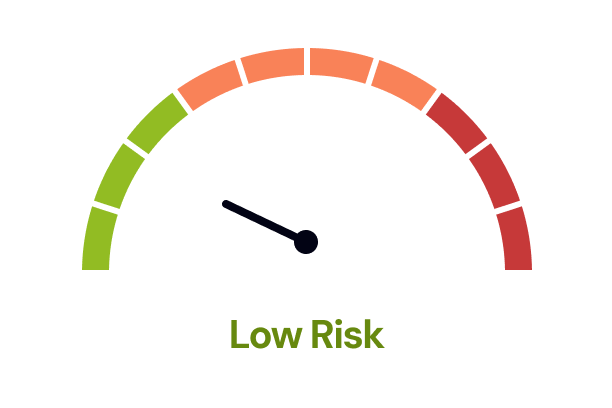
The Legal Risk Score of a Promissory Note Template is Low
Our legal team have marked this document as low risk considering:
- The promissory note requires the payee to present the note to demand payment, which might delay access to funds if the note is not readily presentable or if the location of presentation is inconvenient or unclear.
- Interest accrues only after a certain date and is payable in arrears, which could result in lower returns for the payee if the note is presented much later than the start date of interest accrual.
- The note is governed by unspecified laws, which introduces uncertainty regarding the legal framework and interpretations that apply, potentially complicating enforcement or legal proceedings.
Meet Our Users
Articles about Promissory Note

Promissory Notes vs Loan Agreements: Key Differences
A promissory note and a loan agreement both outline arrangements for repaying borrowed money, however their legal connotations differ.

What is a Deed of Charge?
Are you financing your own business or someone else’s? Find out how a deed of charge could help you.

Introducing SAFE Notes: Startup Funding Explained
Learn about how the new, simplified method of funding your startup business!

SAFE or Convertible Note? What You Need to Know
SAFE and convertible notes offer great opportunities for new businesses to raise capital from investors early on. Here's our guide to how they work.

What is a Convertible Note?
A convertible note can be a way for businesses to raise the money they need without enduring the delays of alternative routes. This article explains why.

How to Write a Letter of Demand in Australia (+Template)
The thought of legal action due to debt can be daunting. Start with a letter of demand to recuperate unpaid debt — template inside!

How To Start A Small Loans Business
You don’t have to be a major bank or have deep pockets to become a credit provider. Find out how to start your own small loans business here.

How to Create a Loan Agreement
Discover the necessary considerations you need to undertake when entering into a loan agreement and how you can effectively enter into a loan agreement to ensure your financial prosperity.

Can My Business Loan Money?
Find out if your business can loan money to other parties here.
Looking for more documents?
Privacy Policy
A Privacy Policy outlines how your business will use, store and collect your customers' information. A Privacy Policy is required by law in certain circumstances.
Loan Agreement
This Loan Agreement can be used by lender when offering a loan to a Borrower.
Non-Disclosure Agreement (Mutual)
A Non-Disclosure Agreement (Mutual) allows you and another party to share confidential information while legally forbidding either party from disclosing that information to any other person or entity.
Will
A Will is an essential document as part of your estate plan. This Will cannot be e-signed.
Non-Disclosure Agreement (One Way)
A Non-Disclosure Agreement (One Way) allows you and another party to share confidential information while legally forbidding the other party from disclosing that information to any other person or entity.
Business Sale Agreement
A Business Sale Agreement is used to clearly set out all relevant terms of the sale when selling or buying a business.
Shareholders Agreement
A Shareholders Agreement allows you to clarify the relationship between shareholders of your company.
Services Agreement (Pro-Supplier)
This Services Agreement (Pro-Supplier) sets out the relationship between you, the service provider, and the business receiving the services. This version of the Services Agreement is drafted in favour of the supplier from a commercial and legal perspective.